
A corporate site becomes difficult to navigate when room names, equipment codes, emergency locations and restricted areas are marked inconsistently, especially during monsoon moisture, cleaning and maintenance work. By the end, you will be able to map identification points, choose materials and adhesives for each exposure zone, set readable sizes and specify labels that are easier to install and replace.
Key takeaways
- Map every wayfinding, zone and asset identification point before ordering.
- Choose label materials for heat, rain, humidity, chemicals and cleaning exposure.
- Specify adhesive after checking the surface, temperature and removal requirements.
- Set text size and contrast for the actual viewing distance.
Map Every Identification Point Before You Order Labels
Start with a site map, not a label order. Mark every point where someone must confirm where they are, what zone they have entered, or which asset they are inspecting.
- Building entrances and reception: campus, building, visitor and department identifiers.
- Office floors, corridors and washrooms: floor, wing, room and accessible-facility codes.
- Plant rooms and electrical rooms: room name, zone code and controlled-access identifier.
- Loading bays and parking areas: bay numbers, entry points, levels and vehicle zones.
- Restricted zones: access-area names and location codes, separate from prohibition signs.
- Fire-equipment locations and emergency exits: identify the exact location, but use approved safety signs for the emergency instruction.
Use one controlled hierarchy across the site: campus or building, floor or zone, room or process area, then asset or equipment code. Repeat that code on door labels, floor markers, drawings and maintenance records so an inspector or responder does not encounter conflicting names.
For bilingual facilities, shorten the approved room vocabulary before enlarging text; long translations quickly exceed the available sign area.
| Sign type | Primary job | Example |
|---|---|---|
| Facility identification label | Confirms a place | “B2-F03-Electrical Room” |
| Asset tag | Identifies one item | “AHU-04” |
| Wayfinding sign | Directs movement | “Loading Bay →” |
| Safety sign | Gives a warning or required action | “Authorized Personnel Only” |
| Statutory notice | Displays mandated information | Fire-licence or occupancy notice |
| Branding panel | Identifies the organization | Company logo at reception |
A room-code sticker cannot replace a warning, prohibition, mandatory-action, fire-equipment or emergency-exit sign. Keep those systems visually and legally distinct.
Match the Label Material to Mumbai’s Exposure Conditions
Choose by zone, not by building: Mumbai’s monsoon humidity, UV, dust and wet-cleaning chemicals punish a reception label differently from a washdown-bay label.
For industrial stickers in Mumbai, specify the surface, indoor or outdoor exposure, service-temperature range, cleaners, abrasion level, minimum dimensions, viewing distance, colour reference, barcode or QR requirement and replacement method before comparing materials.
| Material | Best facility zones | Main limitation |
|---|---|---|
| Vinyl | Reception, office floors, room doors and dry plant walls | Economical and easy to replace, but edges and print suffer under rain, abrasion and frequent chemical cleaning |
| PVC | Sheltered parking columns, service corridors and moderately damp rooms | Flexible and moisture-resistant, but not the first choice for intense UV, solvents or hard impacts |
| Polycarbonate | Electrical rooms, plant panels and equipment interfaces | Strong impact and chemical resistance; confirm its temperature range and laminate before outdoor use |
| Aluminium | Exterior walls, loading bays and utility yards | Rigid and UV-stable, but exposed edges, salts and dissimilar-metal contact need control |
| Stainless steel | Washdown areas, fire-equipment locations and high-abrasion plant zones | Grade 304 suits general exposure; choose grade 316 for coastal salt or chloride cleaners, with passivation and compatible fasteners |
| Metalphoto | Outdoor assets, utility rooms and identification needing long-term print durability | Durable anodised aluminium construction costs more and takes longer to replace |
Stainless steel labels in Mumbai are not automatically corrosion-proof: prevent water traps, iron-particle contamination and galvanic contact. Adhesive-only labels are a poor sole control on rough masonry, hot surfaces or safety-critical points; use riveted or engraved plates, or a redundant plate-and-label arrangement.
Prepare Each Surface and Specify the Adhesive Correctly
An industrial sticker stays in place only when its facestock, adhesive and installation method suit the substrate and exposure. Industrial stickers in Mumbai face monsoon moisture, high humidity, dust, strong sunlight and frequent wet cleaning, so a label that bonds well in a dry office can lift in a loading bay.
1. Identify the actual substrate: painted steel, powder-coated metal, glass, concrete, acrylic or plastic. Polyolefin plastics, textured powder coating and rough masonry reduce contact area; silicone, oil and dust prevent bonding altogether.
2. Clean the area with a compatible degreaser, then remove residue and let the surface dry completely. Do not apply a label over chalking paint, rust, loose coating or condensation. A clean-looking surface is not necessarily adhesive-ready.
3. Specify the adhesive for surface energy, texture and temperature, not for the label material alone. State the expected service temperature, outdoor or indoor exposure, water contact, cleaning chemicals and abrasion level; otherwise “permanent adhesive” is an incomplete specification.
4. Apply the label to a smooth, sound surface with firm, even pressure, especially along the edges. Edge lift creates a path for rain and cleaning water, and trapped moisture can undermine the bond before the printed face shows damage.
5. Run a small adhesion trial for each unusual substrate and allow the adhesive to build bond before judging it. If the label is safety-critical, frequently handled, heat-exposed or mounted on rough masonry, use a riveted or engraved plate, or a redundant sticker-and-plate arrangement instead.
Set Size, Contrast and Sign Rules for Real Viewing Distances
Set letter height from the farthest normal viewing distance, not from the available label area. A room code viewed at 5 metres can use a compact panel; a parking entrance viewed at 20 metres needs a larger, rigid sign or projecting panel, not a small sticker enlarged until the text crowds.
Use high contrast, short wording and a matte, low-glare face. Black on white or white on a dark corporate color is easier to read than low-contrast grey, gradients or reflective finishes under high-bay lights and Mumbai sunlight. Test a full-size sample from the actual corridor, parking lane or plant-room approach.
- Corridors: keep room numbers and department names short; provide a consistent location code and enough letter height for the farthest doorway view.
- Parking entrances: use large directional or zone signs before the turn, with arrows and repeated identifiers; reserve stickers for close-range columns, bays and equipment.
- Plant rooms: use durable equipment and room codes, but do not use corporate colors to imitate hazard communication.
- Safety locations: keep prohibition, warning, mandatory-action, emergency-exit and fire-equipment signs separate, using the organization’s chosen safety standard and standardized symbols.
- Multilingual sites: control translations, line length and script size together; a short approved room name works better than a paragraph in two languages.
- Outdoor labels: specify UV-resistant print, compatible overlaminate, edge protection and contrast after weathering, not only when new.
- Every specification: record viewing distance, minimum dimensions, color references, lighting, cleaning exposure and replacement method.
Good corporate signage in Mumbai identifies a place or asset; it never replaces a statutory notice or safety sign. If people must read it from a moving vehicle, choose a proper sign system instead of industrial stickers.
Turn the Site Map into a Practical Label Specification
Give the manufacturer a zone-by-zone label schedule, not a single request for “durable stickers.” That is how industrial stickers for corporate facilities in Mumbai remain consistent, serviceable and replaceable.
- Location and function: room, asset, floor, loading bay, parking area or plant room; state whether it identifies a place, equipment or route.
- Surface: painted wall, glass, powder-coated metal, concrete, tile or rough masonry.
- Exposure: indoor, outdoor, rooftop, washdown, standing water, monsoon rain, dust, oil, salt air or direct sunlight.
- Service conditions: expected temperature range, cleaning chemicals, cleaning frequency and abrasion level.
- Construction: specified facestock, ink, laminate, adhesive, edge sealing and fixing method for that zone.
- Size and legibility: finished dimensions, viewing distance, mounting height and minimum text size.
- Artwork controls: approved font, logo file, color references such as RAL or Pantone, arrow direction and revision number.
- Data requirements: asset code, serial or room number, barcode or QR-code type, quiet zone and verification method.
Create one master schedule with a unique label ID and revision-controlled artwork. Record quantities, spare percentage, installation date and the exact replacement location; otherwise a damaged label becomes a fresh design decision.
State whether each item belongs to corporate signage in Mumbai, safety communication or statutory information. A room code must not replace a prohibition, warning, emergency-exit or fire-equipment sign. For high-heat, rough-masonry or safety-critical points, specify a riveted or engraved plate, or a redundant plate-and-label system.
Shreeniwas Signs Pvt Ltd can use this schedule to compare vinyl, polyester, PVC, polycarbonate and metal constructions against the same exposure requirements rather than quote materials by name alone.
Related products
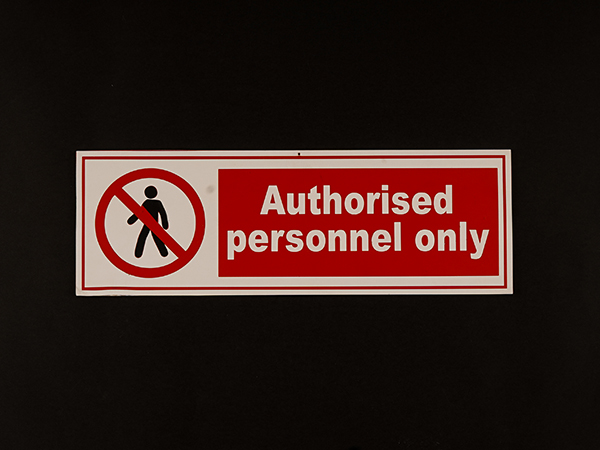 | Plastic Labels Vinyl Decals & Sticker is a kind of plastic that originates from characteristic substances, for example, salt and is viewed as an earth-accommodating... View product → |
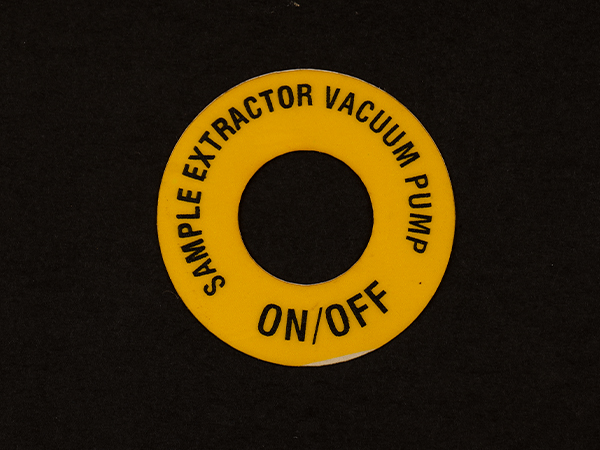 | Plastic Labels PVC & Polycarbonate Stickers are often used in various industries. View product → |
Frequently asked questions
What should you map before ordering facility identification labels?
Mark every point where people confirm their location, enter a zone, identify equipment or inspect an asset. Include doors, corridors, plant rooms, panels, machines, storage areas and emergency routes.
How do you choose industrial stickers for Mumbai facilities?
Match the material and finish to the site’s exposure, including monsoon rain, humidity, heat, sunlight, cleaning chemicals and abrasion. Use stainless steel labels in Mumbai when long-term durability and resistance to harsh conditions are priorities.
How should you prepare a surface before applying an industrial sticker?
Remove dust, oil, grease, moisture, rust and loose paint. Confirm that the surface is smooth enough for contact, then specify an adhesive suited to its material, temperature and removal requirements.
How do you make corporate facility signs readable?
Set letter height, contrast, colour and label size according to the viewing distance and lighting. Test the design from the farthest point where a person must read it.
Related products
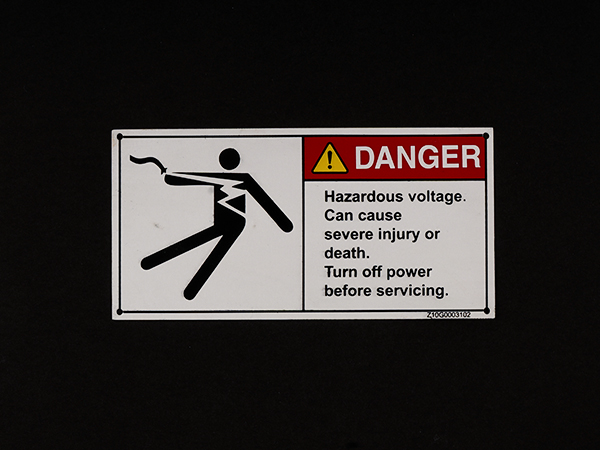 | Metal Labels Safety Nameplates, can view important operational and security information directly on a machine or device. View product → |
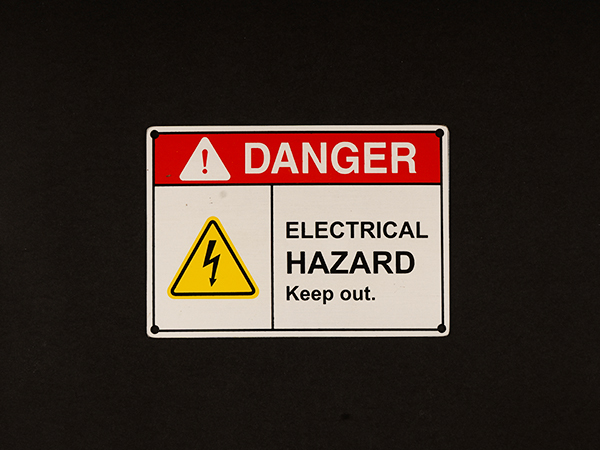 | Metal Labels Aluminum Nameplates are popularly known for their light weight and capacity to oppose corrosion.Its recognizable gleaming white shine offers... View product → |
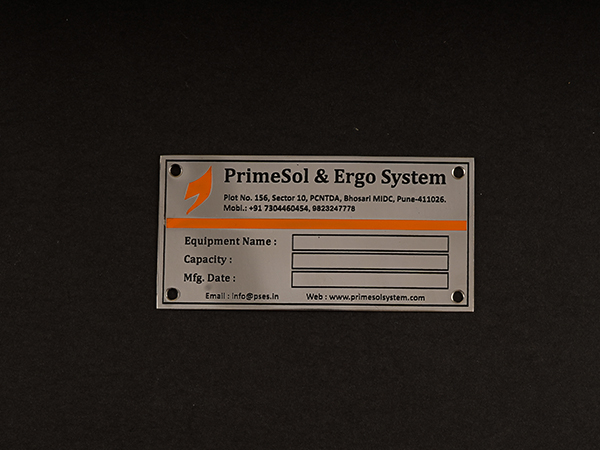 | Metal Labels In the most testing conditions, particularly overwhelming modern situations, where heat, moisture and erosion are available, Stainless Steel... View product → |
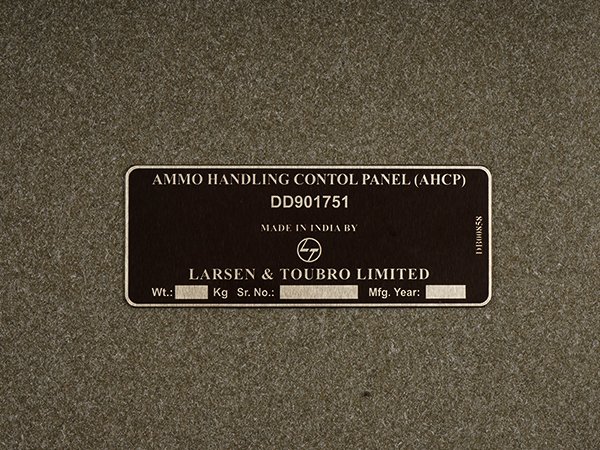 | Metal Labels Metalphoto Metalphoto is a specific kind of photosensitive anodized aluminum that is used to make durable, high-resolution nameplates, labels and control... |