

“Included” can mean a separate vinyl decal, a printed layer bonded to an overlay, or a complete interface graphic with cut-outs and adhesive. By defining the construction, operating features, artwork, fit checks, and delivery responsibilities, you can request a quote that produces the correct part rather than an attractive label that fails during installation.
Key takeaways
- Define whether the overlay is separate or bonded to the panel.
- Specify dimensions, substrate, finish, adhesive, and operating conditions.
- Approve a dimensioned proof before artwork enters production.
- Check fit, service temperature, cleaning exposure, and compliance markings.
What does “graphic overlay included” mean on a vinyl decal quotation?
“Graphic overlay included” does not define the supplied part. It could mean a separate pressure-sensitive vinyl decal delivered with the order, or a faceplate or membrane graphic bonded directly to a control panel.
A quotation for graphic overlays with vinyl decal orders in Mumbai must state whether the decal is supplied alongside the overlay or applied to the same assembly. Ask for these details before approving artwork:
- Material and finished dimensions
- Quantity and surface finish
- Adhesive type and liner type
- Print side, including any reverse print or white backing
- Die-cut or kiss-cut format
- Whether parts arrive individually or on sheets
- Who applies the decal or bonds the overlay
Graphic overlays and vinyl decals are related but not interchangeable. A vinyl decal is a printed adhesive film that can identify equipment, display a warning, carry a brand, or add decoration. It normally arrives on a release liner and is applied to a surface after manufacture.
A graphic overlay forms the operating face of equipment. It may be bonded to a panel and align printed legends with buttons, displays, indicator windows, switches, or membrane controls. It can include openings, transparent areas, embossed features, and adhesive-free zones.
If “included” does not say which of these two products is being quoted, you are not comparing like with like.
When do you need an overlay instead of a standard decal or nameplate?
Use a standard vinyl decal for identification, branding, warnings, or decoration when no controls, windows, or openings must align. Choose an overlay when the printed face also operates the equipment.
Order a graphic overlay for a control surface requiring:
- Printed button legends or a membrane-switch interface
- Display windows, LED light-transmission areas, or indicator apertures
- Switch or key cut-outs, alignment holes, or adhesive-free zones
- Embossed or domed keys that provide tactile feedback
Graphic overlays and vinyl decals are related but not interchangeable. Custom graphic overlays in Mumbai should be specified from a production drawing, not artwork alone; the drawing must show transparent areas, cut lines, registration features, and white backing.
Material choice depends on exposure, not thickness alone.
| Material | Flexing and forming | Abrasion, chemicals, and impact | Dimensional stability and temperature |
|---|---|---|---|
| Polyester | Handles repeated flexing and suits membrane-switch construction; limited forming | Strong resistance to wiping, cleaning chemicals, and abrasion | Stable for precise alignment; verify the enclosure temperature range |
| Polycarbonate | Better for formed or embossed faces and impact resistance | Good impact performance; verify resistance to the actual cleaner and abrasion level | Can move more with heat; confirm temperature and forming requirements |
Choose a metal nameplate for rigid equipment identification, asset details, or serialized marking. Use separate control-panel labels when the panel needs independent labels rather than one bonded operating face. That distinction matters for interface graphics in Mumbai exposed to frequent cleaning, impact, or outdoor temperature changes.
Which vinyl decal order details must appear before artwork goes to production?
A production-ready vinyl decal order details sheet must remove every guess from the quotation. Include:
- Finished width and height, thickness, substrate, quantity, artwork revision, print colours, colour references, print side, white-ink requirement, surface finish, laminate or varnish, adhesive class, liner type, die-cut or kiss-cut construction, corner radius, cut-outs, registration marks, and whether parts arrive individually or on sheets.
- Application surface, delivery address, packing requirements, required date, and whether installation is included.
For graphic overlays with vinyl decal orders in Mumbai, state whether the decal is supplied beside the overlay or applied to the same assembly. Also identify the material, dimensions, finish, adhesive, liner, and application responsibility.
The drawing must show vector cut paths, outlined fonts, minimum text size, bleed, safe margins, hole locations, transparent windows, knockout areas, white backing, and the origin with dimensional tolerances. A white flood changes opacity, so do not leave it implied in a CMYK file.
| Feature | Drawing callout | Prevents |
|---|---|---|
| Cut construction | Die-cut or kiss-cut line, corner radius, and sheet layout | Wrong separation or installation format |
| Interface features | Cut-outs, hole centres, windows, registration marks, and adhesive keep-outs | Misaligned switches, LEDs, or displays |
| Print layers | Colour layers, white backing, transparent areas, and print side | Reversed, opaque, or visually incorrect graphics |
| Text and geometry | Outlined fonts, minimum text size, bleed, safe margins, origin, and tolerances | Missing text, clipped artwork, or an unusable fit |
How do you confirm fit, adhesive choice, and Mumbai service conditions?
Confirm fit and service conditions through a controlled approval sequence, not from artwork alone. Include these vinyl decal order details before production:
1. Provide a 1:1 dimensioned PDF or drawing. Verify panel width and height, then measure every hole centre, cut-out, window, and corner radius from the actual panel.
2. Inspect the receiving surface for paint condition, powder coat texture, dust, oil, silicone, loose coating, and curvature. Approve a paper or low-cost proof against the panel before requesting a production sample.
3. Choose adhesive by substrate, not by the label name. Painted metal, powder-coated panels, glass, textured surfaces, polyethylene, polypropylene, and oily surfaces create different bonding problems. State the plastic resin or grade where known; polyethylene and polypropylene often need a low-surface-energy adhesive or surface treatment.
4. Record the application temperature, cleaning method, pressure, dwell time, and dry-surface requirement from the adhesive manufacturer. Do not apply over condensation during Mumbai’s monsoon; poor initial wet-out leads to edge lifting. Sign off the production sample only after fit and adhesion are checked.
5. For outdoor, vehicle, entrance, or semi-open plant use, specify heat, humidity, monsoon wetting, UV exposure, and cleaning chemicals. Indoor durability assumptions do not cover these conditions. Confirm the ink and laminate system with a supplier such as Shreeniwas Signs Pvt Ltd when sourcing custom graphic overlays in mumbai.
Related products
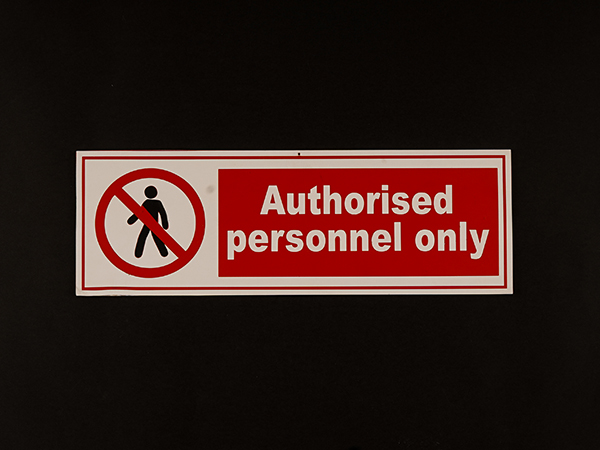 | Plastic Labels Vinyl Decals & Sticker is a kind of plastic that originates from characteristic substances, for example, salt and is viewed as an earth-accommodating... View product → |
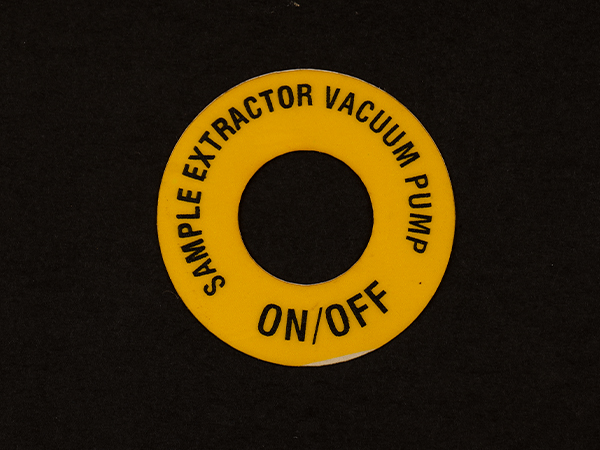 | Plastic Labels PVC & Polycarbonate Stickers are often used in various industries. View product → |
What should the final approval package and compliance check contain?
A correct-looking proof can still fail at installation if openings, transparency, or mounting orientation are wrong. Treat approval as a controlled assembly, not colour approval alone.
- A dimensioned drawing with overall size, hole centres, cut-outs, corner radii, alignment marks, tolerances, and the origin.
- An actual-size proof or named colour target, with the approved revision and quantity.
- Substrate, thickness, surface finish, laminate or varnish, adhesive class, liner, and application surface.
- A print-layer description showing colour layers, white flood, transparent windows, knockouts, LED transmission areas, and adhesive-free zones.
- The vector cut-path file, with die-cut or kiss-cut construction and delivery format: individual parts or sheets.
- Orientation and mounting-side confirmation, including front application, reverse application, and the required viewing direction.
- Dimensions, text, symbols, openings, alignment, white flood, transparency, tolerances, revision, quantity, and delivery format.
- Identify safety symbols and colours separately from corporate styling. Check ISO 7010 and ISO 3864-1 where those standards apply.
- If the overlay stays on listed or certified equipment, ask whether UL 969 marking and labeling requirements apply before approving material.
Give this package to a supplier handling interface graphics in Mumbai or custom graphic overlays in Mumbai. The supplier can then quote a defined assembly rather than guessing what “included” means.
Frequently asked questions
What does “graphic overlay included” mean on a vinyl decal quotation?
Ask whether the quote includes a separate pressure-sensitive vinyl decal or a bonded faceplate or membrane graphic. Request the part construction, thickness, finish, adhesive, and mounting method in writing.
When do you need an overlay instead of a standard decal or nameplate?
Choose an overlay for a control-panel surface that combines printed instructions, switch labels, windows, indicator areas, or membrane-switch graphics. Use a standard decal for simpler identification, and a nameplate when you need a rigid, durable identification plate.
Which vinyl decal order details must appear before artwork goes to production?
Record finished width and height, corner radius, cut lines, print colours, material, thickness, surface finish, adhesive, liner, quantity, artwork scale, and required tolerances. Add the panel drawing or a physical sample when fit matters.
How do you confirm fit, adhesive choice, and Mumbai service conditions?
Compare the approved drawing with the application surface, including holes, edges, radii, and clearances. State the surface material, temperature range, sunlight, moisture, cleaning chemicals, and removal requirements before selecting adhesive.
What should the final approval package and compliance check contain?
Keep the signed proof, dimensioned drawing, colour references, revision number, substrate and adhesive specification, quantity, packing instructions, and application notes. Confirm that warning symbols, ratings, serial fields, and required markings match the equipment documentation.
Related products
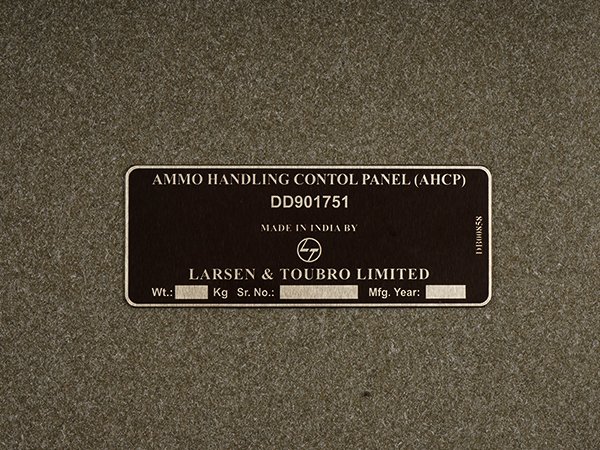 | Metal Labels Metalphoto Metalphoto is a specific kind of photosensitive anodized aluminum that is used to make durable, high-resolution nameplates, labels and control... |
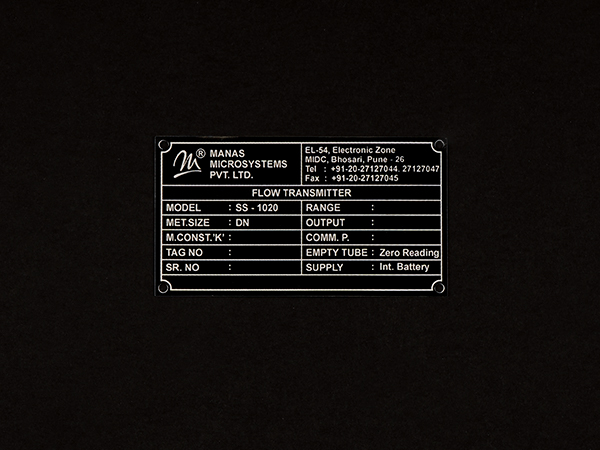 | Metal Labels Machine Specification Nameplate A Machine Specification Nameplate distinguishes and shows an item's name on gadget. View product → |
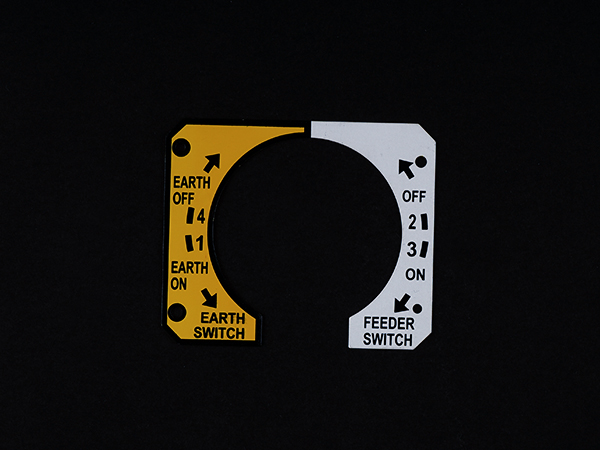 | Metal Labels A Control Panel Nameplate a flat, regularly vertical, region mounted on machine where control or observing instruments information are shown They are... View product → |
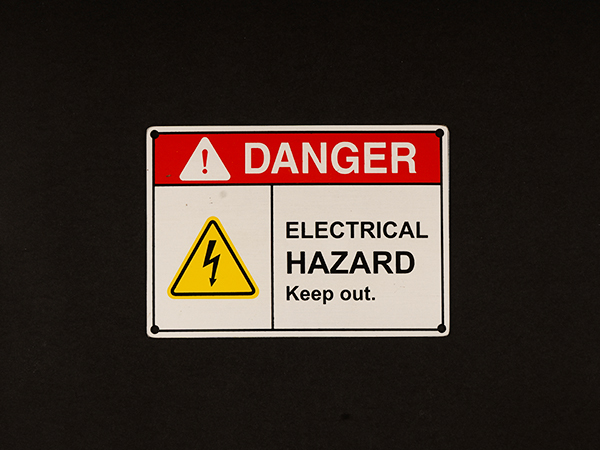 | Metal Labels Aluminum Nameplates are popularly known for their light weight and capacity to oppose corrosion.Its recognizable gleaming white shine offers... View product → |