
A vehicle label that looks excellent in the artwork file can still fail when monsoon water reaches its edges, diesel soils the adhesive, or a pressure washer attacks a poorly specified laminate. By the end, you will be able to match vinyl, polycarbonate, aluminium, or stainless steel to each vehicle location, define the label information and readability needed, and place an order with measurable acceptance criteria.
Key takeaways
- Use vinyl for curved body panels, fleet graphics, and temporary vehicle decals.
- Choose polycarbonate for impact resistance, embossing, premium controls, or tamper evidence.
- Specify adhesive, laminate, test conditions, dimensions, and barcode readability before ordering.
- Check edges, solvents, UV exposure, and scanner performance on the actual vehicle surface.
Choose the Label Material for the Vehicle Location
Vinyl fits most painted body panels because it follows curves, costs less, and works well for fleet graphics, door markings, and temporary campaign decals. Choose polycarbonate overlays where impact resistance, embossing, a premium control-panel appearance, or tamper evidence matters; a thick overlay can lift on compound curves.
| Material | Best vehicle location | Choose it when |
|---|---|---|
| Vinyl | Doors, bonnets, truck sides, windscreens, two-wheeler panels | You need a flexible graphic, fleet number, warning decal, or removable marking on a reasonably smooth surface. |
| Polycarbonate | Dashboard controls, switch panels, interior equipment, protected body labels | You need a tough printed face, embossed buttons, or tamper evidence. Specify UV-stabilised film or a protective overlaminate outdoors. |
| Aluminium | Truck bodies, service vans, engine-bay asset plates, equipment identification | You need a rigid plate that resists abrasion, heat, and routine outdoor handling. Keep it away from severe salt exposure unless the finish is specified for it. |
| Stainless steel | Coastal fleets, engine compartments, fuel-service areas, permanent asset plates | You need maximum corrosion resistance and a long service life, and accept greater weight and cost. |
For automotive stickers or polycarbonate labels in Mumbai, match the face to monsoon water, road dust, ultraviolet exposure, fuel splash, and pressure washing. Thin vinyl usually wins on sharply curved panels; rigid polycarbonate or metal can bridge a flat panel but may lift at corners.
Automotive stickers in Mumbai do not replace a legally prescribed registration plate, its format, material, or retroreflective performance.
Match Adhesive and Construction to Mumbai Exposure
A sharply curved or recessed panel needs a thin, conformable film; a thick polycarbonate overlay or rigid dome can bridge a compound curve but may lift at corners. Match the face stock to the surface before choosing the adhesive.
| Construction | Best surface or exposure | Adhesive and design choice |
|---|---|---|
| Thin vinyl or polyester film | Painted body panels, two-wheelers, recessed areas | Permanent acrylic adhesive; follows curvature and resists edge lift |
| Polycarbonate face label | Flat dashboards, control panels, impact-prone locations | Rigid adhesive-backed overlay; use for a premium finish, embossing, or added protection |
| Aluminium or stainless steel | Engine bays, workshop equipment, fuel and oil contact | Aggressive permanent adhesive or mechanical fixing; specify corrosion resistance |
| Removable vinyl | Temporary fleet campaigns or resale vehicles | Removable adhesive; confirm clean removal from paint and plastics |
Mumbai’s monsoon water, humidity, ultraviolet light, road dust, coastal salt and pressure washing demand sealed edges and an outdoor-rated adhesive. Plastic bumpers need an adhesive tested for low-surface-energy plastics, while powder-coated or freshly painted panels need a compatibility check; applying below the adhesive’s stated temperature can cause early failure.
Specify the actual exposure rather than saying “durable”:
- Service life: one inspection cycle, several years, or the vehicle’s life
- Contact: rain only, detergent, diesel, petrol, engine oil or solvent
- Removal evidence: torn face stock, visible residue, void pattern, serial number or microtext
- Reading method: direct viewing, barcode scan or QR scan after the complete label is applied
Custom vehicle stickers in Mumbai do not replace a legally prescribed registration plate, its format, material or retroreflective performance. Test QR labels on the curved, laminated, dirty final surface—not only on a clean artwork proof.
Define the Label’s Purpose, Information, and Readability
A label must tell the user what to do, identify what they are looking at, or provide proof of ownership. Define its service life, exposure side, cleaning chemicals and reading method before approving artwork; a fleet-inspection sticker and a VIN or chassis label do not need the same durability or permanence.
| Label type | Show | Reading requirement |
|---|---|---|
| Decorative graphic | Brand mark, unit number or campaign artwork | Recognisable at normal viewing distance; do not let styling obscure letters |
| Safety marking | Hazard, prohibition, required action and relevant symbol | High contrast, short wording and placement visible before contact with the danger |
| Fleet label | Fleet name, vehicle number, department and contact number | Readable from the inspection position without opening a door or panel |
| QR label | Purpose, destination or asset number beside the code | Preserve the code’s quiet zone and test scanning after printing, lamination, curvature and dirt |
| Control label | Function, position, direction, setting or warning | Use consistent terms, legible characters and a clear reading direction |
Use dark text on a light, non-glare background, with a type size matched to viewing distance. Put critical warnings where a driver, technician or inspector naturally looks; a label hidden behind a bracket has failed even if its print is perfect.
Do not treat a custom body sticker as a statutory registration plate. Registration plates require the prescribed format, material and retroreflective performance. Specify ink resistance to rubbing, petrol or diesel, detergent, hand oils and fleet disinfectants, because abrasion can destroy information before the adhesive releases.
Prevent Edge Lift, Chemical Damage, and Scan Failure
An automotive label stays attached and readable when its adhesive, application conditions, and protective face match the panel. Specify the substrate—painted metal, ABS, polypropylene, glass, or textured dashboard—and the actual service life.
Polycarbonate stickers in Mumbai suit impact, embossing, or tamper evidence, but a thick overlay can bridge a compound curve and lift at its corners; use a thin conformable film on sharply curved or recessed panels.
Install in a dry, controlled area at or above the adhesive manufacturer’s minimum application temperature.
- Remove wax, silicone, rust, dust, and oil from the panel.
- Round the label corners and keep exposed edges clear of seams, trim, and drain paths.
- Apply with a firm squeegee from the centre outward, forcing out air without stretching the film.
- Press the perimeter again after application.
- Allow the specified dwell time before rain, water exposure, or pressure washing.
Choose a face film and laminate that resist the vehicle’s actual contact with diesel residue, detergent, fuel, or workshop solvents. A printed graphic that survives ultraviolet light can still fail when chemicals attack its edges or clear coat.
For a barcode or QR code, keep the print flat, sharply contrasted, and free from wrinkles or glare. Preserve the quiet zone around the code, avoid placing it across a ridge, and scan a wet and dry sample with the device used during service. Recheck it after cleaning and pressure washing.
Write a Purchase Specification That Can Be Tested
Specify the label as a measurable construction, not as “waterproof” or “automotive grade.” For automotive stickers in Mumbai, record the face material and thickness, adhesive family, print method, laminate type, colour tolerance, application temperature, substrate, panel curvature, expected service life and removal requirement.
State whether the label goes on painted metal, powder coat, ABS, polypropylene, glass or a textured dashboard.
- Identify the part number, artwork revision, dimensions, radius or compound curvature, and required quiet zone for every QR or barcode.
- Choose a thin conformable film for sharply curved or recessed panels; reject a thick polycarbonate overlay or rigid dome if its corners bridge the curve and lift.
- Use polycarbonate stickers in Mumbai for impact resistance, embossing, premium appearance or tamper evidence; use flexible vinyl when curvature and cost matter more.
- Require a retained sample of custom vehicle stickers in Mumbai after installation on the actual substrate, followed by your defined exposure period.
- Pass adhesion only if no corner lift, bubbling or peel appears after washing and exposure to monsoon moisture, road dust, diesel residue and normal service chemicals.
- Pass appearance when text remains legible and colour stays within the agreed tolerance; test QR and barcode scanning on the finished, laminated label while clean and lightly soiled.
- Keep registration plates separate: a fleet or body sticker cannot replace the legally prescribed plate, format or retroreflective performance.
Shreeniwas Signs Pvt Ltd should receive the vehicle panel sample or its measured radius, because a drawing alone can hide an adhesion failure.
Related products
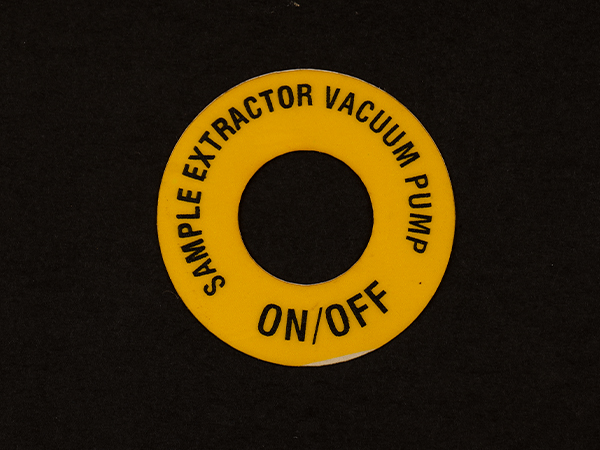 | Plastic Labels PVC & Polycarbonate Stickers are often used in various industries. View product → |
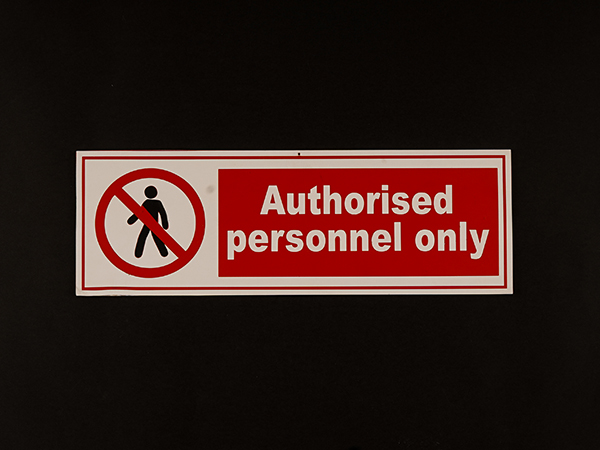 | Plastic Labels Vinyl Decals & Sticker is a kind of plastic that originates from characteristic substances, for example, salt and is viewed as an earth-accommodating... View product → |
Frequently asked questions
When should you choose automotive stickers over polycarbonate labels?
Choose vinyl automotive stickers for painted body panels, curved surfaces, fleet graphics, door markings, and temporary campaigns. Choose polycarbonate labels for impact resistance, embossing, premium control-panel appearance, or tamper evidence.
Which adhesive suits vehicles exposed to Mumbai weather?
Match the adhesive to the substrate, curve, temperature, rain, sunlight, washing, and chemical exposure. Test adhesion on the actual painted, powder-coated, plastic, or metal surface before production.
How do you prevent vehicle label edge lift?
Clean and dry the surface, avoid compound curves that exceed the label’s flexibility, specify suitable adhesive, and test the label after washing, heat, rain, and handling.
What information belongs on a vehicle identification label?
Define the required vehicle number, asset ID, warning, operating instruction, barcode or QR code, contact detail, and any legal information before designing the label.
How can you test a custom vehicle sticker before approving it?
Test adhesion, edge lift, print and laminate damage, solvent resistance, UV and rain exposure, embossing or impact performance, and barcode readability on the finished vehicle surface.