
An automotive sticker is a market description, not proof that a label meets medical-device requirements. You will be able to distinguish decorative vehicle decals from regulated identification labels, compare materials and construction, and define tests that demonstrate suitability on your finished device.
Key takeaways
- Use automotive stickers only after testing the complete label construction on the device.
- Compare face material, adhesive, printing, overlaminate and environmental resistance.
- Specify cleaning agents, temperature range, abrasion, sterilisation and traceability requirements.
- Request test evidence, samples and a controlled label specification from suppliers.
When an automotive sticker becomes a medical-device label
An automotive sticker becomes a medical-device label only when its complete construction meets the device’s information, durability, traceability and intended-use requirements.
Automotive stickers for medical device manufacturers are not a compliance category: a decorative decal carrying a logo is a different product from device identification labels carrying a model number, serial number, UDI, lot number, electrical rating, warning or calibration status.
A vehicle-marking decal identifies, brands or decorates a surface exposed to road conditions. A regulated label applied to equipment communicates information needed to operate, identify, service, recall, reprocess or safely use that device. The device manufacturer—not the sticker category—determines the required information and acceptance criteria.
Label failure can create a direct operational or safety problem:
- Unreadable serial data can block servicing, asset identification or a recall.
- An unscannable barcode can break inventory, traceability or UDI workflows.
- A missing warning can lead to incorrect operation.
- A lost electrical rating can obscure a critical connection, voltage or power limit.
Automotive weathering performance does not prove resistance to disinfectants, sterilization, repeated cleaning or service-life wear. Rain, sunlight and temperature exposure differ from isopropyl alcohol, disinfectant wipes, steam, ethylene oxide, hydrogen peroxide, radiation and cloth abrasion. The label must remain attached and legible throughout the device’s intended life, including servicing, recall and reprocessing.
Automotive-origin materials are suitable only after the finished label construction passes those device-specific requirements.
How to compare automotive sticker materials for medical equipment
Compare automotive sticker materials by exposure and construction, not by the word “automotive” in a product description. Calendered vinyl is a lower-cost choice for short-term, flat, low-risk graphics; cast vinyl suits contoured surfaces and longer outdoor exposure.
| Option | Strength | Best fit |
|---|---|---|
| Calendered vinyl | Economical PVC film; limited conformability | Flat, temporary graphics |
| Cast vinyl | Better conformability and outdoor durability | Curves, recesses and extended UV exposure |
| PVC | Flexible, printable film | General graphics after chemical testing |
| Polyester | Dimensional stability and abrasion resistance | Durable equipment labels |
| Polycarbonate | Tough face; supports protected reverse printing | Polycarbonate stickers for devices and overlays |
| Anodized aluminium | Metal face with etched or sealed marking | Heat, UV and outdoor identification |
| Metalphoto | Sealed anodized-aluminium image | Long-life, high-durability plates |
Test each construction against isopropyl alcohol, quaternary ammonium compounds, bleach or chlorine, enzymatic detergents and hydrogen peroxide at the specified concentration, dwell time, cloth and wipe cycles. Check abrasion, sweat, oils, UV, humidity, temperature cycling and repeated wiping. Polycarbonate can suffer solvent-induced stress cracking or crazing despite its tough face.
Run sterilization exposures separately: autoclave steam, ethylene oxide, hydrogen-peroxide systems, gamma radiation and electron-beam radiation are not interchangeable validations. Inspect for lifting, discoloration, cracking and loss of legibility. The adhesive, ink or overlaminate can fail before the face film. Use the final housing, because a material name alone cannot predict label life.
Why adhesive and application details decide label life
Label life is decided by the bond to the finished device housing, not by the film name. A film can remain intact while its adhesive lifts at corners, transfers residue, or loses bond after repeated cleaning.
| Housing | Failure risk | Design response |
|---|---|---|
| Powder-coated metal | Low surface energy or uneven coating | Validate adhesive on the cured coating |
| ABS or polycarbonate | Stress, solvents, or mould-release residue | Use a compatible adhesive and clean thoroughly |
| Painted metal | Weak paint or contaminated surface | Test paint-to-adhesive and adhesive-to-paint bonds |
| Textured or low-surface-energy plastic | Incomplete contact | Use a conformable adhesive and apply firm pressure |
| Curved, raised, or seamed housing | Edge lift and bridging | Increase radius, avoid seams, and test the actual geometry |
Clean and dry the housing before application; remove oil, dust, mould release and cleaning residue. Follow the adhesive supplier’s minimum application temperature, apply pressure across the whole label, and allow the stated dwell time before cleaning or testing. A label applied cold or tested immediately can appear defective when the installation caused the failure.
Print technology and ink anchorage determine whether graphics stay attached. Reverse printing puts graphics beneath polycarbonate or another clear face, while overlamination adds chemical and abrasion protection only when its edges remain sealed.
Use rounded corners, avoid narrow slivers, and inspect die-cut edges. Sharp corners and poorly cut edges give cleaning cloths a point to catch. Label thickness must suit raised surfaces and seams; a material name alone cannot specify a reliable device identification label. Test on the final housing, never only on a smooth laboratory panel.
Which medical-device rules and tests must the label satisfy
Acceptance depends on controlled information, not the sticker category. Under ISO 13485, approve artwork, revisions, suppliers and changes through documented controls; an unreviewed symbol or altered serial-number field can invalidate an otherwise durable label.
Medical Devices Rules, 2017, as amended, govern products supplied in India. Required particulars can include manufacturer or importer details, device identification, batch, lot or serial number, manufacture and expiry dates where applicable, and prescribed warnings. Medical device labels in Mumbai follow those Indian requirements; a Mumbai supplier does not create a separate Mumbai standard.
| Framework | What to verify |
|---|---|
| ISO 15223-1 | Use recognised medical-device symbols, with suitable text and placement; do not improvise automotive icons. |
| ISO 20417 | Supply the manufacturer’s required device information and accompanying information. |
| UDI rules | Where applicable, provide a readable carrier and its human-readable interpretation under the market rule. |
| IEC 60601-1 | Obtain the device maker’s required ratings, warnings and marking layout for medical electrical equipment. |
Validate the finished construction in this order:
- Test adhesion on the actual device surface.
- Wipe with the specified chemical, concentration, dwell time, cloth and cycle count.
- Run the defined abrasion test.
- Expose samples to the actual sterilization process.
- Perform accelerated ageing.
- Verify barcode readability after testing.
- Inspect legibility, discoloration, lifting, cracking and residue.
Obtain signed acceptance criteria, then retain approved artwork, revision history, label batch records and test records.
How to write a defensible label specification and choose a supplier
Specify performance, not “automotive-grade.” Your purchase specification should state:
- Substrate and thickness; print or ink method; adhesive and overlaminate.
- Surface preparation, minimum application temperature, operating temperature, chemical exposure, UV and humidity exposure.
- Sterilization process and cycle count; abrasion method; barcode grade or minimum readability.
- Service-life target and pass/fail limits for lifting, discoloration, cracking, residue and legibility.
Require samples die-cut and applied to the production housing, then tested through the actual cleaning, sterilization and handling protocol. A smooth test panel can hide failure on a textured ABS enclosure, seam or tight radius.
Classify the label before choosing its construction:
| Type | Information carried | Acceptance priority |
|---|---|---|
| Decorative | Logo or finish | Appearance and adhesion |
| Informational | Model, rating or warning | Legibility and permanence |
| Traceability-critical | Serial, lot or UDI | Barcode readability and data retention |
| Safety-critical | Hazard or operating instruction | Immediate readability and attachment |
Confirm the artwork, regulatory data, cleaning chemicals, sterilization cycles and validation protocol with the supplier. For buyers seeking medical device labels in Mumbai, local manufacture is appropriate only when the supplier converts those inputs into a controlled construction and retains revision, batch and test records.
Shreeniwas Signs Pvt Ltd can contribute by reviewing substrate, adhesive, print protection, die-cut geometry and production-housing samples, rather than treating automotive sticker materials as automatic medical approval.
Automotive stickers for medical device manufacturers can use automotive-origin materials, but only a validated medical-device label construction is suitable for the device.
Related products
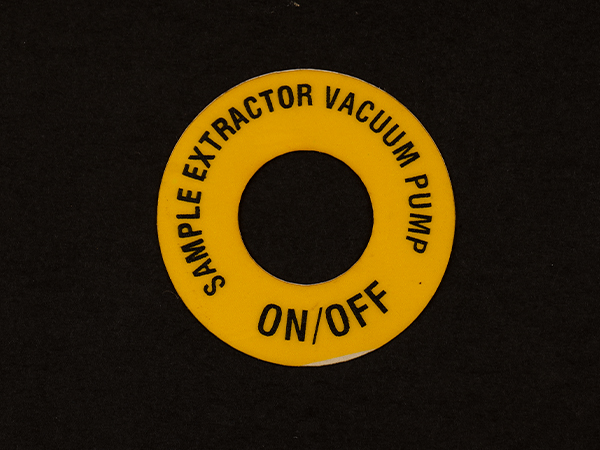 | Plastic Labels PVC & Polycarbonate Stickers are often used in various industries. View product → |
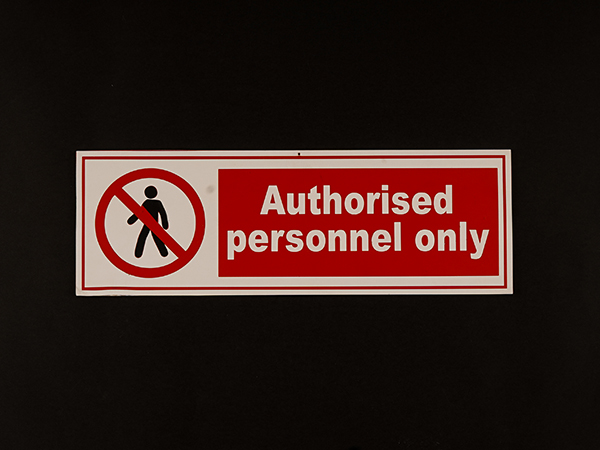 | Plastic Labels Vinyl Decals & Sticker is a kind of plastic that originates from characteristic substances, for example, salt and is viewed as an earth-accommodating... View product → |
Frequently asked questions
When does an automotive sticker qualify as a medical-device label?
It qualifies when the complete construction meets the device’s identification, information, durability, traceability and intended-use requirements.
How should you compare automotive sticker materials for medical equipment?
Compare the face material, print system, adhesive and protective layer against the device’s temperature, chemicals, abrasion, cleaning and sterilisation conditions.
Why do adhesive and application details affect label life?
Surface preparation, application temperature, pressure, cure time, edge design and substrate compatibility determine whether the label remains attached and readable.
What should a medical-device label specification include?
Define dimensions, artwork, material, adhesive, ink, overlaminate, operating conditions, cleaning agents, test methods, traceability data and acceptance criteria.
Related products
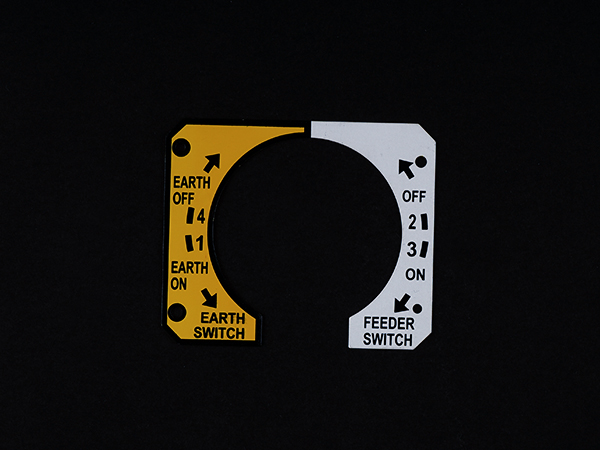 | Metal Labels A Control Panel Nameplate a flat, regularly vertical, region mounted on machine where control or observing instruments information are shown They are... View product → |
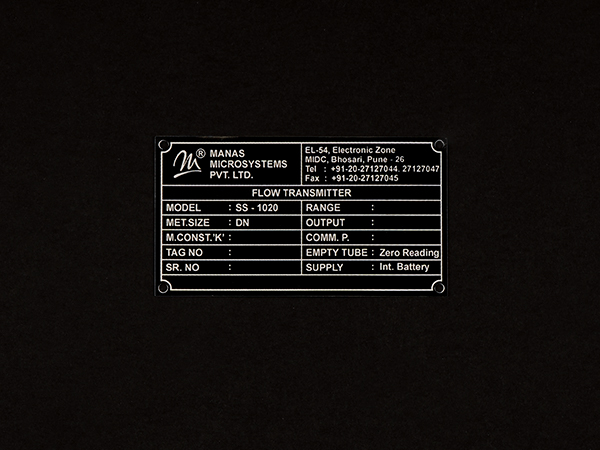 | Metal Labels Machine Specification Nameplate A Machine Specification Nameplate distinguishes and shows an item's name on gadget. View product → |
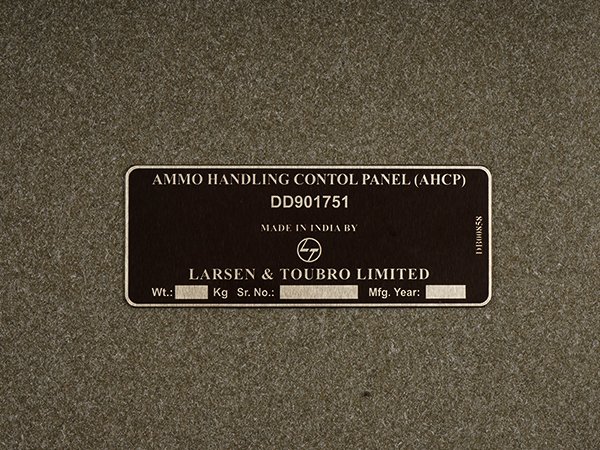 | Metal Labels Metalphoto Metalphoto is a specific kind of photosensitive anodized aluminum that is used to make durable, high-resolution nameplates, labels and control... |