

Aluminium nameplates identify rooms, equipment, electrical panels, assets, service areas, and access points, but each use demands a different level of visibility, fixing security, and resistance to exposure. By the end, you can match a plate to its location, specify the information and finish, and decide when another material or a larger commercial sign is the better choice.
Key takeaways
- Use separate plates for rooms, people, assets, and operational instructions.
- Choose aluminium for durable indoor and sheltered outdoor identification.
- Specify readable text, mounting holes, finish, and cleaning resistance.
- Check humidity, wall condition, visibility, and installation access before fitting plates.
Where aluminium nameplates are used across a business premises
Common aluminium nameplate uses include identifying rooms, departments, reception desks, cabins, washrooms, service rooms, floor zones, and office units. For business nameplates in Mumbai, these close-range plates remain useful where staff, visitors, cleaners, and contractors repeatedly handle or clean the surface.
- Entrance and reception plates: identify the company, building, or office unit.
- Directories and floor markers: connect lifts, staircases, departments, and room numbers.
- Door and wall plates: label cabins, meeting rooms, washrooms, stores, and restricted areas.
- Equipment labels: record asset codes, ownership, service dates, or QR codes linked to an asset register.
- Operational labels: identify electrical panels, valves, pumps, fire equipment, utility rooms, loading bays, and parking zones.
- External identification: mark gates, pillars, plant rooms, vehicles, and exposed service enclosures.
| Location | Primary task | Suitable use |
|---|---|---|
| Walls, doors, pillars | Permanent identification | Room, department, suite, or floor plate |
| Machinery and enclosures | Asset control | Equipment ID, panel number, warning, or maintenance status |
| Gates, loading areas, vehicles | Direction and site control | Parking, delivery, access, or unit identification |
Use aluminium as a close-range identification plate, not as a substitute for a large lobby sign, roadside board, or building fascia. Those applications need larger lettering, stronger contrast, and fixings designed for wind and public visibility.
For outdoor Mumbai locations, specify anodizing, powder coating, or a sealed protective finish; untreated aluminium can stain, pit, or form white corrosion products in monsoon humidity and coastal air.
The identification hierarchy: rooms, people, assets, and operations
The hierarchy runs from fixed identity to daily control: identify the place, guide the person, communicate the risk, and track the asset or operation. That is what aluminium nameplates are used for in business premises in Mumbai, where repeated cleaning, handling, humidity, and dense layouts can quickly expose weak labelling.
- Permanent identification: mark building entrances, floors, departments, rooms, cabins, washrooms, service rooms, and office units. Use stable names and numbers that remain valid after staff or tenants change.
- Wayfinding: connect the entrance sign to the floor directory, zone marker, room plate, and directional arrow. Keep numbering, type size, arrows, and terminology consistent; elaborate individual plates create confusion.
- Branding: use reception plates, company names, tenant identities, and cabin signs to reinforce ownership. A close-range nameplate is not a substitute for a large lobby sign, façade, or roadside sign.
- Safety communication: identify fire extinguishers, exits, electrical hazards, restricted areas, and emergency equipment. Select the required symbol, colour, shape, and placement under ISO 7010 and ISO 3864-1; aluminium only provides the surface.
- Asset control: label machinery, panels, valves, cables, vehicles, and utility equipment with an asset code, serial reference, or QR code linked to the register. Add operating status or inspection information when technicians need it.
Use the same hierarchy across rooms, people, assets, and operations. A plate that names a room serves permanent identification; a plate that tells someone to isolate a panel serves operational control. Each needs different wording and viewing distance.
When aluminium is the right material—and when it is not
For aluminium nameplates in Mumbai, choose aluminium for durable, close-range identification, but reject untreated sheet where salt, standing water, severe abrasion, or repeated handling will destroy the finish.
| Location | Aluminium decision | Specify or avoid |
|---|---|---|
| Indoor offices, rooms, and corridors | Usually suitable | Use anodised, coated, or printed aluminium; avoid excessive thickness that adds cost without benefit |
| Outdoor walls, gates, and pillars | Suitable with protection | Specify anodising, powder coating, or a compatible clear coat; protect edges and fixing holes from rain |
| Coastal or chloride-exposed areas | Suitable only with a controlled finish | Seal the surface, prevent trapped water, and use compatible or isolated fasteners; bare aluminium can pit and form white corrosion |
| Hot plant rooms and sun-exposed equipment | Suitable when the finish and adhesive tolerate heat | Confirm the operating temperature of ink, coating, adhesive, and backing; heat can cause lifting or fading |
| Wet washdown areas | Conditional | Provide drainage behind the plate and seal penetrations; avoid pockets that hold water |
| Abrasive or frequently handled locations | Often the wrong choice | Use a thicker plate, engraved or chemically etched text, and a hard finish; replace thin printed plates that will scratch |
A 6061-type alloy adds stiffness or supports a machined mounting feature, but it does not replace corrosion protection. For machinery, panels, and doors, isolate dissimilar-metal fasteners with washers and prevent galvanic corrosion.
Use commercial metal signage for a lobby, roadside, tenant, or fascia sign; those applications need larger lettering, stronger mounting, and wind resistance. Aluminium nameplates are normally close-range identifiers, not substitutes for ISO 7010 safety signs or ISO 3864-1 design requirements.
How to specify a plate people can read and maintain
Specify the viewing distance and mounting surface before choosing the plate size. A door label read from 1 metre needs a different layout from a floor marker, loading-area sign, or equipment plate read from 10 metres.
1. Record the finished width and height, corner radius, hole positions, and edge clearance. State the thickness, such as a flexible thin sheet for a flat label or a thicker rigid plate where vibration, handling, or a machined mounting feature matters.
Choose the alloy with the job: 6061-type aluminium suits stiffness, but it does not replace a protective finish.
2. Name the surface finish and exposure. Specify anodizing, powder coating, or a clear protective coat for outdoor Mumbai locations exposed to monsoon water, dust, humidity, or coastal chlorides. Select engraved or etched-and-filled text where solvents, abrasion, and repeated wiping are expected; use printed graphics only after confirming the ink, pretreatment, and clear-coat system.
3. Supply the exact wording, logo artwork, line breaks, symbols, and language. State the required text height, typeface, contrast, and reading distance, then approve a full-size proof. Do not compress long asset codes into lettering that becomes unreadable.
4. Identify the substrate—masonry, glass, ACP, painted steel, or powder-coated aluminium—and specify screws, rivets, or adhesive accordingly. Include isolating washers, sealed penetrations, and drainage where dissimilar metals or trapped water could cause galvanic corrosion.
5. Ask for a cleanable surface and replaceable fixing arrangement. The range of aluminium nameplate uses is broad, but every schedule should state how staff will wipe, inspect, and replace each plate.
What to check before installing nameplates in Mumbai premises
Approve the schedule only after inspecting a physical sample and its fixing detail. For business nameplates in Mumbai, compare the sample with the actual wall, door, panel, or outdoor exposure—not just a digital proof.
1. Verify the finish. Request an anodized, powder-coated, or clear-protected sample for exposed locations. Inspect the front, cut edges, drilled holes, folded corners, and rear face for bare metal, scratches, stains, or coating gaps.
For coastal sites, ask for an outdoor sample and written finish warranty; reject untreated mill-finish aluminium where monsoon water or sea air reaches it.
2. Verify the fixing method. Confirm the substrate, screw or rivet material, adhesive grade, hole positions, and removal method. Check that fasteners will not create galvanic corrosion, damage waterproofing, obstruct a door, or loosen under cleaning and vibration. Test adhesive plates on the actual surface before approving a large batch.
3. Verify compliance information. Compare every plate with the approved room register, asset list, and statutory artwork. Check the registered business name and address, Marathi or other required language, fire and accessibility information, and municipal permissions.
Equipment plates need the fields specified for that machine, such as model, serial number, voltage, current, frequency, and warning text.
4. Verify installation quality. Approve a mock-up for height, alignment, spacing, contrast, readability, edge safety, and viewing distance. Record photographs and sign-off before repeating the installation.
Give Shreeniwas Signs Pvt Ltd the approved artwork, finish, alloy, fixing schedule, and inspection points; a clear production brief prevents aluminium nameplates in Mumbai from arriving with correct graphics but unsuitable edges or mounts.
Related product
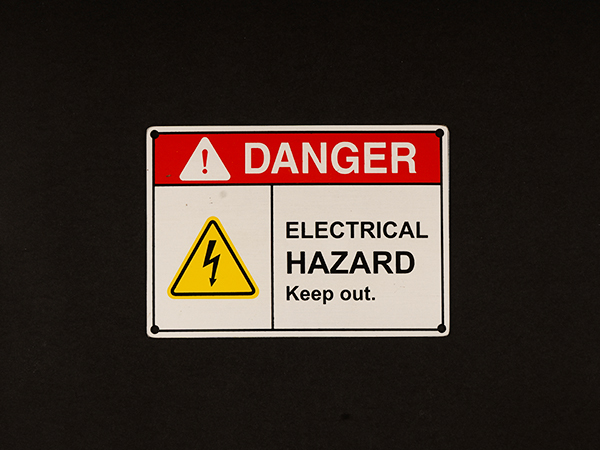 | Metal Labels Aluminum Nameplates are popularly known for their light weight and capacity to oppose corrosion.Its recognizable gleaming white shine offers... View product → |
Frequently asked questions
Where are aluminium nameplates used in business premises?
Use them for rooms, departments, reception desks, cabins, washrooms, service rooms, floor zones, office units, assets, and operational areas.
How should aluminium nameplates be organised across a premises?
Create an identification hierarchy covering rooms, people, assets, and operations so each plate answers one clear wayfinding or control need.
When is aluminium the right material for a business nameplate?
Aluminium suits durable close-range identification where people handle or clean the plate. Choose another material when the environment, appearance, flexibility, or budget demands it.
What should you check before installing nameplates in Mumbai?
Check humidity, cleaning routines, wall or door condition, viewing distance, mounting access, visibility, and the plate’s resistance to the intended installation environment.