

A vinyl decal can update a brass nameplate without remaking the plate, but the result depends on the brass finish, adhesive, exposure and cleaning routine. You will be able to decide when an overlay is suitable, prepare the surface correctly and specify a decal that survives Mumbai conditions.
Key takeaways
- Use vinyl overlays when the brass plate is sound but its branding changes often.
- Clean, degrease and lightly abrade brass before applying the decal.
- Specify UV-resistant film, adhesive and finish for Mumbai heat, rain and humidity.
- Keep critical serial numbers permanent and use vinyl only for changeable branding.
When a Vinyl Decal Improves a Brass Nameplate
A vinyl overlay is the better choice when the brass plate is sound but the branding on its face changes faster than the plate should be replaced. It preserves the existing identity plate while giving you a quicker, lower-cost way to update its visible graphics.
If you are evaluating vinyl decals for brass nameplates branding problems in mumbai, choose an overlay when:
- The change is short- or medium-term.
- Different departments or product versions need colour variation.
- A large graphic would be expensive to machine into brass.
- You need to remove the branding without discarding the base plate.
| Option | Best use | Main trade-off |
|---|---|---|
| Vinyl overlay | Changeable branding on a sound plate | Replaceable layer; edges and abrasion determine life |
| Remade brass plate | Permanent premium appearance or revised metal artwork | More fabrication time and cost |
| Engraved or etched brass | Serial numbers, warnings and asset identity | Permanent, but unsuitable for frequent changes |
Keep legally required information, serial numbers and safety instructions in engraving, etching or durable metal marking. Vinyl is the wrong primary choice for tactile identification, high-contact surfaces, harsh chemical cleaning or heat beyond the film specification.
A damaged overlay does not destroy the underlying plate, which is the central advantage in brass nameplates branding in mumbai.
Inspect and Prepare the Brass Before Applying Anything
A brass nameplate must be clean, dry, stable and flat enough for continuous adhesive contact. Vinyl does not bond reliably through tarnish, brass dust, polishing compound, wax, grease or oil.
If the plate is lacquered, the lacquer must be fully cured and firmly attached; a decal can stay stuck to a peeling clear coat while the clear coat lifts from the brass.
- Inspect the face for oxidation, dents, sharp edges, raised lettering, rivets and gaps that could prevent the film from lying flat. Reject or repair plates with peeling, crazed or blistered lacquer.
- Test the actual finished plate, not a bare metal sample. Press a small decal section onto an inconspicuous area, allow the agreed dwell time, then check for lifting and edge release.
- Remove wax, oil and polishing residue with a cleaner approved for the brass finish. Let the surface dry completely.
- Lightly abrade only where the finish permits, then clean again. Do not abrade polished brass or remove a sound lacquer film without confirming the required appearance.
- Apply the decal without touching the bonding area. Record the surface condition, film and laminate batch, installation temperature and edge inspection result.
For brass nameplate labels in Mumbai, document the adhesion result after the film manufacturer’s stated dwell interval, not immediately after installation. Pressure-sensitive adhesive builds bond over time, so an instant peel can falsely suggest failure. Use primer only on specified difficult edges; excess primer can create a visible halo, change gloss and complicate removal.
Match the Film, Adhesive and Finish to Mumbai Exposure
Specify the exposure before choosing artwork: indoor, outdoor, vehicle and high-contact brass nameplates need different films, adhesives and finishes. The same vinyl decal can last indoors yet lift in Mumbai’s rain, heat and salt-laden air.
| Application | Film and adhesive | Finish and specification |
|---|---|---|
| Indoor, low contact | Calendared vinyl with removable adhesive for changeable branding; permanent adhesive for fixed identification | Matte or gloss finish; confirm the surface has no wax or weak lacquer |
| Outdoor, stationary | Cast high-performance vinyl with permanent adhesive | UV-resistant overlaminate, sealed edges and a proof at final size; cast film reduces shrinkage around bevels and embossing |
| Vehicle | Vehicle-grade cast film with permanent adhesive on fully cured paint | UV-resistant overlaminate; avoid excessive stretching across curves and recesses |
| High contact or frequent cleaning | Tough cast film with high-tack adhesive | Abrasion-resistant overlaminate and rounded corners; choose engraved or tactile brass instead where fingers, tools or harsh chemicals will attack the graphic |
Removable film suits seasonal campaigns and tenant changes, but heat, pressure washing and prolonged exposure reduce its service life. Permanent high-tack film resists lifting yet can leave residue, damage weak lacquer and make future rebranding harder.
For vinyl decals in Mumbai, state the cleaning method, viewing distance, temperature range and expected service period on the purchase specification. Request the film and laminate batch numbers, installation temperature and a post-dwell adhesion check; immediate peeling does not measure the final bond.
Control Installation Quality at the Edges and the Artwork
Install only on dry brass within the film manufacturer’s stated application-temperature range. Align the decal with a hinge, squeegee from the centre outward, and roll every edge firmly; trapped moisture becomes a path for capillary ingress.
Use rounded decal corners and a small plate-corner radius rather than sharp rectangles, which lift first in Mumbai’s humidity and salt-laden air.
Record these controls at installation:
- Brass condition: clean, dry, and free from oxidation, oil, wax, loose lacquer, and dust.
- Film and laminate batch numbers, installation temperature, installer, and date.
- Edge condition: no bubbles, wrinkles, exposed adhesive, lifted corners, or continuous dirt-catching gaps.
- Artwork proof at final size, not only an enlarged screen image.
- Adhesion result after the agreed dwell period, using the film manufacturer’s acceptance method.
Do not judge adhesion by peeling the decal immediately. Pressure-sensitive adhesive builds bond over time, and an instant peel can falsely reject a sound installation; test on the same brass finish and wait for the manufacturer’s specified interval.
For machinery, doors, and outdoor fixtures, approve the viewing distance and cleaning regime with the artwork: tiny reversed lettering, fine strokes, and tight counters disappear under dirt or abrasion.
For vinyl decals in Mumbai, ask Shreeniwas Signs Pvt Ltd to document the final-size proof and edge inspection rather than approving artwork alone. That record helps separate an installation failure from a design that was unreadable from the start.
Related product
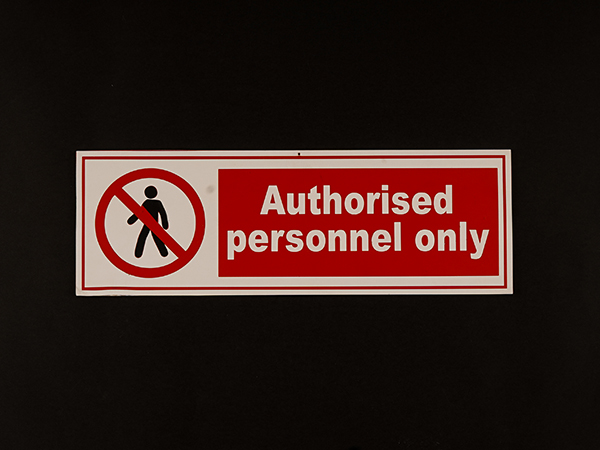 | Plastic Labels Vinyl Decals & Sticker is a kind of plastic that originates from characteristic substances, for example, salt and is viewed as an earth-accommodating... View product → |
Use a Hybrid System When the Plate Must Stay Permanent
Permanent identification belongs on the brass plate; changeable communication belongs on a replaceable vinyl layer. For brass nameplate labels in Mumbai expected to last for years, engrave, etch or photochemically mark serial numbers, safety warnings, ratings and asset codes. A damaged overlay should never erase information needed to operate, service or identify equipment.
| Option | Use it for | Main trade-off |
|---|---|---|
| Brass base plate | Permanent identification, premium appearance and tactile lettering | Resists removal, but changes require remaking or machining |
| Vinyl overlay or adjacent decal | Logos, department names, colour coding and temporary campaigns | Fast and economical to replace, but remains vulnerable to abrasion, chemicals and edge lifting |
| Vehicle-grade vinyl graphic | Fleet identity, large logos and panel graphics | Covers broad areas, but faces heat, washing, dust, fuel and moving panels |
This division preserves the plate when a campaign changes or a logo is damaged. Specify a cured, stable lacquered brass surface for the overlay; peeling lacquer, wax, grease or tarnish gives the adhesive a weak layer to release from.
Treat vehicle graphics as a separate application, not oversized equipment labels. Use cast film on curves and recesses, avoid overstretching printed areas, and install only after paint has fully cured.
Check that the design leaves registration plates, lamps, reflectors, safety markings and driver-visibility areas clear, and confirm transport and local advertising requirements before applying vehicle branding decals in Mumbai.
Frequently asked questions
When does a vinyl decal improve a brass nameplate?
Use a vinyl overlay when the brass plate remains structurally sound but logos, contact details or operating graphics need frequent updates. It avoids replacing the entire plate.
How should you prepare brass before applying a vinyl decal?
Inspect the plate for corrosion, loose lacquer, dents and residue. Clean and degrease it, allow it to dry fully, then lightly abrade glossy areas when the film and adhesive supplier permits.
What should you specify for vinyl decals exposed in Mumbai?
Match the film, adhesive and laminate to outdoor UV exposure, monsoon rain, humidity, heat and cleaning chemicals. Request a finish that suits the plate’s surface and viewing distance.
How do you prevent vinyl decals from lifting at the edges?
Measure the artwork accurately, remove dust, apply the film without trapped air, press the edges firmly and allow the adhesive to bond before washing or handling.
When is a hybrid brass-and-vinyl nameplate better?
Keep permanent information such as serial numbers, ratings and safety warnings engraved or otherwise fixed on brass. Apply vinyl only to changeable branding, contact details or campaign graphics.