

The right plate depends on more than weight or appearance: cleaning chemistry, sterilisation exposure, marking method, substrate contact and required service life all affect the decision. By the end, you will be able to match a material and finish to each equipment location, define a realistic durability test and write a purchase specification that avoids ambiguous claims.
Key takeaways
- Start with sealed anodised aluminium for repeated wipe-downs.
- Choose brass for appearance or specific exposure, not by default.
- Specify disinfectant, steam, humidity, marking depth and fixing method.
- Test readability after cleaning and sterilisation cycles before approval.
Which material is the safer starting point for medical equipment?
Choosing aluminium nameplates or brass nameplates for medical equipment, anodised aluminium is usually the safer starting point for repeated wipe-downs. Its oxide layer is integral to the metal, not a separate film, but bare or poorly sealed aluminium is a different product with higher risk at scratches and exposed edges.
| Property | Aluminium | Brass |
|---|---|---|
| Weight and forming | Lighter and easier to form around housings | Heavier, more rigid and dimensionally stable |
| Surface behaviour | Sealed anodising supports repeated cleaning | Uncoated brass can tarnish, show fingerprints and stain from disinfectants |
| Appearance | Technical, consistent finish | Warmer, premium appearance |
| Damage risk | Scratches and cut edges can expose reactive metal | Scratches can expose brass; lacquer failure exposes the substrate |
| Contact with other metals | Check galvanic corrosion against stainless steel or other dissimilar metals | Check the same risk, especially with moisture trapped at the joint |
A lacquer or other barrier can improve brass, but durability then depends on the coating’s chemical resistance, abrasion resistance and edge adhesion—not brass alone. Expected service life is a qualified result from the actual cleaning, impact and humidity exposure; never assume it from the material name.
IEC 60601-1 marking responsibilities make legibility a safety issue. The manufacturer, model or type reference, serial number, electrical ratings, applied-part information and safety symbols must remain readable throughout service life, so select the finish and marking process together with the equipment’s risk review.
Match the plate to the equipment location and exposure
An exterior housing usually favours sealed anodised aluminium when low mass and frequent wiping dominate. Use a tested coated plate when the coating, ink and edge protection—not merely the metal—must carry the durability claim.
| Location | Specify | Check before approval |
|---|---|---|
| Exterior housing | Sealed anodised aluminium or tested coated plate | Wipe durability, edge sealing and low weight |
| Sterilisation tray or autoclave equipment | A construction qualified for the actual steam process | Temperature, pressure, cycle count and immersion conditions |
| Operating-room equipment or hospital trolley | A plate resisting wipes, saline, bodily fluids, condensation, impact and edge lifting | Finished-assembly testing, not room-temperature corrosion data |
| Laboratory instrument | Material and marking matched to solvents, acids and alkaline cleaners | Refrigerated condensation and repeated chemical exposure |
| Control panel | Thin plate or overlay | Clearance around switches, membrane keys, grounding and cleanability |
| Permanent asset | Rigid plate with secure fasteners | Vandal resistance and legibility over the service life |
For a sterilisation tray, demand cycle evidence from the real autoclave; ordinary corrosion data cannot predict steam failure. For laboratory instruments, choose by the chemical list, not appearance.
Brass can suit a protected, premium-facing asset, but frequent staff or patient contact requires a protective coating and an alloy declaration. Request the certificate when lead, nickel, copper or other restricted substances matter.
For medical equipment nameplates in mumbai, control humidity and coastal exposure during storage and application: bond only to clean, dry surfaces within the adhesive supplier’s limits, then qualify the finished plate.
How will disinfectants, steam and humidity change the result?
A disinfectant pass proves nothing unless it copies the customer’s process: concentration, contact time, temperature, wipe material and number of cycles. Test the complete plate, including substrate, anodising or coating, ink, clear coat and adhesive.
| Chemistry | Practical qualification |
|---|---|
| Isopropyl alcohol | Wipe at the customer’s concentration and contact time; inspect ink and clear-coat loss. |
| Hydrogen peroxide | Use the supplied formulation and temperature; check colour change, blistering and edge lift. |
| Sodium hypochlorite | Test the actual chlorine concentration and repeated cycles; inspect pitting, tarnish and corrosion. |
| Quaternary ammonium cleaner | Replicate dwell time and wipe material; check residue, ink loss and adhesive failure. |
| Peracetic-acid system | Use the operating concentration, temperature and immersion or wipe method; inspect all finishes. |
Chemical attack is separate from abrasion. Run disinfectant wipes, immersion where relevant, condensation, abrasion and adhesion checks on the finished system. ASTM B117 salt spray cannot prove survival under hospital cleaning; it is a controlled corrosion test, not a cleaning-cycle simulation.
Inspect after each exposure for pitting, tarnish, colour change, ink loss, blistering, edge lift and adhesive failure. Use ASTM D3359 for comparative cross-cut or tape adhesion only when the substrate, anodising, coating, ink and clear coat are included. For ASTM D4060, report wheel, load, cycles and endpoint—not an unexplained cycle count.
For medical equipment nameplates in Mumbai, control storage and application humidity, condensation and coastal salt. Apply to a clean, dry surface within the adhesive supplier’s temperature and humidity limits. For steam equipment, qualify the actual temperature, pressure, cycle count and immersion conditions.
Which marking and fixing method will remain readable?
Readability depends on the failure the marking must resist: abrasion, chemicals, UV, cleaning, distortion or loss of adhesion.
| Method | Main failure to resist | Practical result |
|---|---|---|
| Photo-anodised aluminium | Surface wear and chemical attack | High-resolution information is sealed within the anodic layer; evaluate Metalphoto-style photosensitive anodised aluminium when dense text, barcodes and long service life matter. |
| Laser engraving | Abrasion and solvent removal | The mark remains in the metal, but contrast can fall on reflective surfaces; seal or colour-fill it when scanning matters. |
| Chemical etching | Abrasion and cleaning chemicals | A recessed mark survives better than ink, provided the etch and sealing process are controlled. |
| Screen printing | Ink loss, abrasion and edge attack | Durability depends on adhesion and the clear coat, not the ink name alone. |
| Digital printing | Ink degradation and coating failure | Specify the substrate preparation, ink, overcoat and finished-system adhesion test. |
| Embossed characters | Dirt retention, distortion and barcode deformation | Depth helps tactile identification but complicates cleaning and can reduce barcode readability. |
For barcode or UDI-style identifiers, specify contrast, quiet zone, module size, symbology, minimum grade and readability after cleaning under the lighting used in inspection. Validate the complete finished assembly for legibility, abrasion, chemical exposure and edge lift.
Adhesive-backed plates can detach from textured powder coat, silicone-contaminated surfaces, low-surface-energy plastics or condensation. Insufficient pressure and cleaning before dwell time expires create the same failure. For aluminium medical device labels in mumbai, compare a tested adhesive with a recessed pocket, rivets or screws when separation is unacceptable.
What should you put in a purchase specification in Mumbai?
A supplier-ready purchase specification must define the complete finished construction, not “silver anodised” or “chemical resistant.” Use a table to lock the choice before requesting quotations.
| Option | Specify | Acceptance focus |
|---|---|---|
| Aluminium | 5005 alloy; 0.5 mm thickness; Type II sulfuric anodising or named coating system; colour; sealed surface; photo-anodised, laser-marked or printed marking; acrylic or silicone adhesive, rivets or screws | Minimum barcode and text legibility after cleaning |
| Brass | C26000 alloy with material certificate; natural, brushed, plated or lacquered finish; brushing direction; plating thickness in μm; named clear-coat chemistry | No unacceptable tarnish, blistering or loss of legibility after chlorine or peroxide exposure |
For aluminium medical device labels in Mumbai, state the minimum post-cleaning legibility, such as readable text and scannable identifiers after the customer’s specified wipe cycles. For brass medical equipment plates in Mumbai, require the certificate to identify copper, zinc, lead and nickel content where export or restricted-substance controls apply.
- Approve production samples only after the actual cleaning and sterilisation sequence, including concentration, contact time, temperature, wipe material and cycle count.
- Require documented adhesion testing on the complete assembly, including ASTM D3359 method and rating, plus abrasion testing that names the load, wheel or rubbing material, cycles and failure endpoint.
- Request traceability for metal, ink, coating and adhesive, and RoHS or REACH declarations when required.
- Ask Shreeniwas Signs Pvt Ltd, alongside other qualified suppliers, for this evidence; compare finished samples, not “durable” catalogue language.
Related product
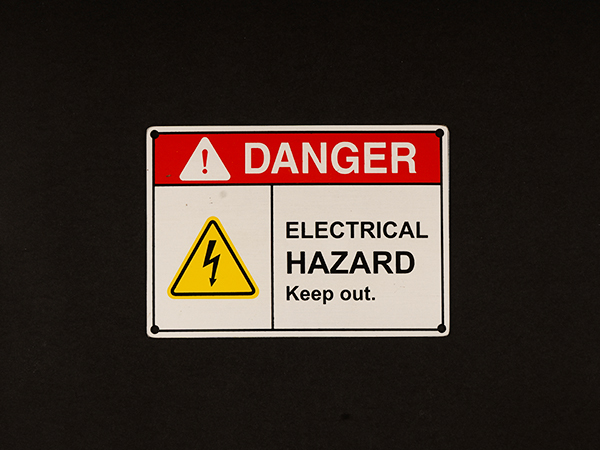 | Metal Labels Aluminum Nameplates are popularly known for their light weight and capacity to oppose corrosion.Its recognizable gleaming white shine offers... View product → |
Frequently asked questions
Is aluminium or brass safer for medical equipment nameplates?
Sealed anodised aluminium is usually the safer starting point for repeated wipe-downs because its oxide layer is integral to the metal. Bare or poorly sealed aluminium needs more caution at scratches and exposed edges.
How should you match a nameplate to its equipment location?
Assess whether the plate sits on a touch surface, near a steam outlet, inside a humid area or on an exterior panel. Match the material, finish, adhesive and fixing method to that exposure.
What should you check before choosing a plate for disinfectants and steam?
Identify the cleaning chemicals, contact time, temperature and sterilisation cycle. Test the complete plate, marking and adhesive together rather than approving the metal alone.
Which marking and fixing methods preserve readability?
Use a marking method suited to the surface and cleaning regime, then specify contrast, font size, barcode requirements and fixing method. Confirm that edges, adhesive and fasteners remain secure after cleaning.
What belongs in a Mumbai medical equipment nameplate purchase specification?
State the alloy or grade, finish, thickness, dimensions, artwork, marking method, colour, adhesive or fasteners, cleaning exposure, steam conditions, inspection criteria and delivery requirements.