
A seasonal retail graphic in Bengaluru must survive sun, rain, dust, humidity, cleaning, and removal without damaging the surface beneath it. You will be able to map decals to each campaign, choose the right film and adhesive, prepare the substrate, and schedule installation and removal with fewer failures.
Key takeaways
- Assign every decal a store location, purpose, and replacement date.
- Match the graphic format to campaign duration, surface, and viewing distance.
- Clean and dry surfaces before applying or removing retail decals.
- Specify vinyl and adhesive for Bengaluru sun, rain, and cleaning routines.
Plan Decal Locations Around Bengaluru’s Retail Calendar
Use one campaign map across the store, not just the window. Vinyl decals for seasonal retail branding in Bengaluru work best when each surface has a defined job and replacement date.
| Campaign | Decal locations | Install and remove |
|---|---|---|
| Deepavali | Shop windows, entrance doors, promotional boards, temporary wayfinding | Install 2–3 weeks before the festival; remove within one week after the final offer |
| Christmas and New Year | Windows, counters, delivery vehicles, doors | Install from 1 December; remove by 7 January |
| Republic Day | Restrained storefront band, entrance doors, one promotional board | Install 10–15 January; remove by 1 February |
| End-of-season sale | Windows, counters, floor graphics, boards | Install at launch; remove when stock or the sale ends |
| School reopening | Shelves, floor arrows, temporary wayfinding, counters | Install 2–3 weeks before reopening; remove after the first sales period |
| Wedding season | Windows, counters, shelves, adaptable offer panels | Install before the local buying period; update or remove each offer |
| Monsoon promotion | Windows, doors, boards, delivery vehicles | Install before sustained rains; remove when the rain-led offer ends |
Set artwork approval, production, installation access, launch, removal, residue cleaning, and disposal dates before printing. Schedule exterior work after a dry-weather window and allow overnight access while shops are closed.
Keep high-touch door graphics, floor arrows, and sale messages separate from longer-running storefront branding. That prevents one damaged panel from forcing a full replacement and puts labour into the seasonal budget. Seasonal branding decals in Bengaluru and vinyl decals for retail businesses should be planned this way.
Choose the Graphic Format for Duration, Surface, and Visibility
Choose the material by campaign duration, surface shape, and the visibility shoppers need. For most short seasonal campaigns, polymeric calendered vinyl is the cost-effective choice for flat glass, smooth painted walls, metal, acrylic, tile, and shopfitting panels.
| Option | Best use | Main limitation |
|---|---|---|
| Removable or ultra-removable vinyl | Retail window vinyl stickers and vinyl decals for retail businesses with a defined end date | Heat, sunlight, humidity, and time can increase residue or bond strength |
| Permanent adhesive vinyl | Long-term storefronts, vehicle panels, and exterior signs that will be cleaned and retained | Removal takes more labour and can damage weak paint |
| Cast vinyl | Compound curves, rivets, deep recesses, and uneven vehicle-like surfaces | Adds cost without improving a flat window application |
| Static cling | Clean, smooth glass requiring repositioning | Holds less strongly than an adhesive decal |
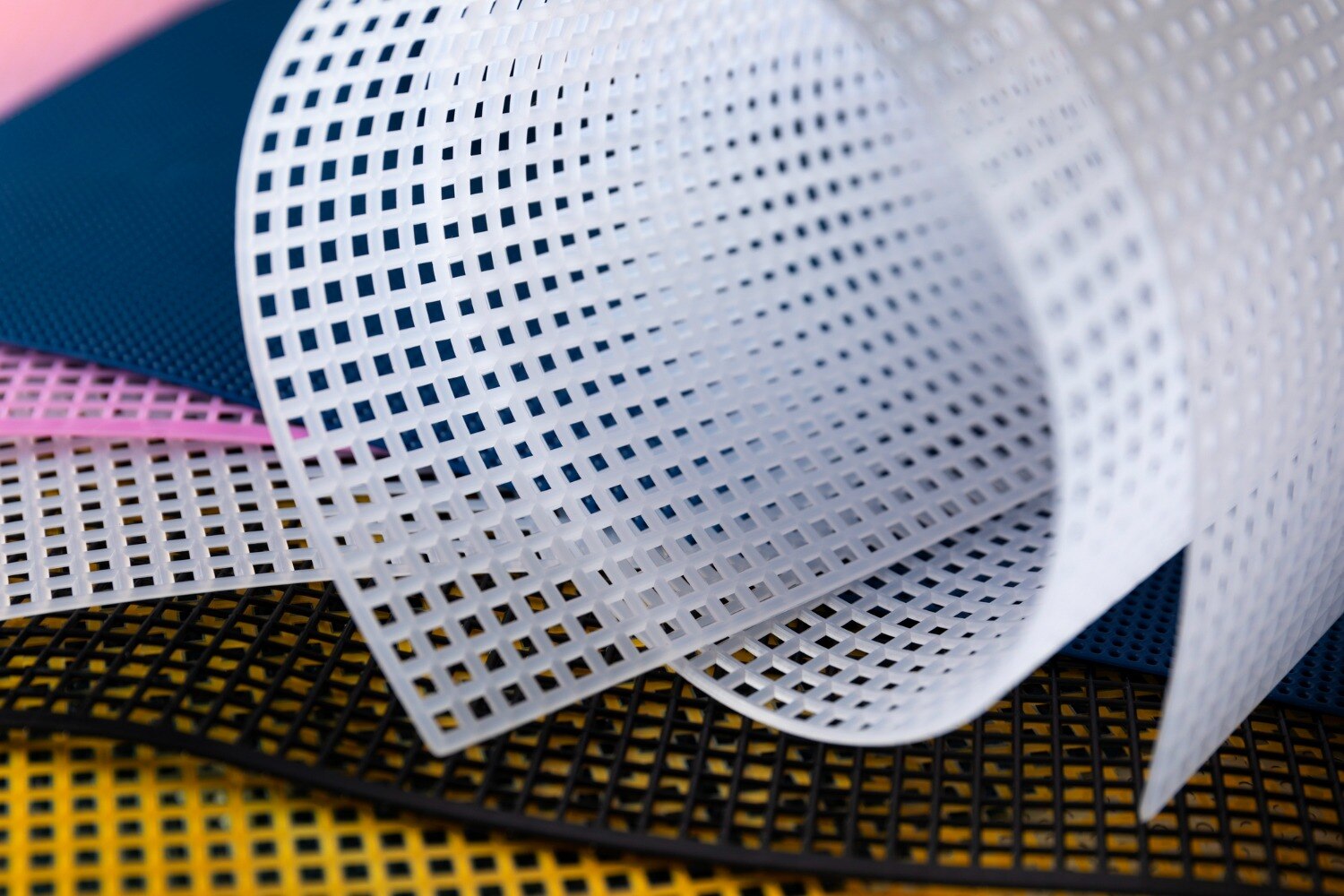
| Perforated one-way-vision film | Windows where reduced outward visibility is acceptable | Performance changes with lighting, perforation ratio, viewing distance, and installation side |
| Printed or painted board | Rigid, repeatedly handled, or freestanding promotional displays | Does not provide a flush graphic |
Test removable adhesive on the actual glass, paint, or laminate for the full campaign period before production. A sample that releases cleanly on day one can leave residue after Bengaluru sun and monsoon humidity.
Use exterior-rated film, UV-resistant inks, and a protective laminate for outdoor vinyl decals lasting several months. Avoid perforated film where clear sightlines matter, and choose a board when rigidity matters more than window coverage.
Prepare the Surface Before Applying or Removing a Decal
1. Identify the substrate before selecting adhesive. Glass, painted walls, acrylic, plastic, metal, tile, vehicle panels, masonry, and textured surfaces each need a compatibility decision. Rough masonry and textured surfaces need another solution because adhesive cannot maintain continuous contact.
2. Clean with detergent and water, then use an alcohol-based final clean where compatible. On glass, remove silicone contamination, oily cleaner residue, dust, and moisture. Wait until the surface and its perimeter are completely dry before applying retail window vinyl stickers or outdoor vinyl decals.
3. Reject surfaces with condensation, loose paint, flaking coatings, silicone joints, rubber glazing gaskets, porous paint, damaged film overlays, or recently painted finishes until compatibility is checked. Painted walls need sound, fully cured paint; acrylic, plastic, and vehicle panels need a small-area test to catch staining, softening, or poor adhesion.
4. Leave the test decal on the actual substrate for the intended campaign duration before approving production. Use dry application for small decals and controlled-temperature glass. If wet application is necessary, remove trapped water thoroughly and define the drying period; remaining water can cause haze, whitening, bubbles, and edge failure.
5. Remove film by warming it moderately and pulling at a low angle, not sharply upward. Clean adhesive residue afterward to avoid lifting paint or splitting the film. Use separate removal tests for painted surfaces, laminates, and vehicle finishes.
Specify Vinyl That Can Handle Bengaluru Sun, Rain, and Cleaning
For outdoor vinyl decals installed for several months, specify an exterior-rated face film, UV-resistant inks, and a clear UV-resistant laminate. Indoor promotional vinyl is not an equivalent substitute for vinyl decals for seasonal retail branding in Bengaluru.
1. State the service life, removal requirement, film thickness, finish, and exposure. Record whether the graphic faces direct sun or sits behind glass. Choose a laminate matched to the vinyl and ink system; a mismatch causes silvering, curl, gloss variation, or edge separation. It also protects against abrasion, cleaning, and handling.
2. Use opaque white vinyl when colours must remain consistent over changing backgrounds. Clear vinyl preserves the glass appearance, but colours can look weak against a dark interior or shift with reflections and daylight. Specify white-ink printing or a white flood layer when stronger opacity is necessary.
3. Request a physical proof or an agreed spot-colour workflow for important corporate colours. Four-colour process printing cannot reproduce every brand colour reliably, especially through transparent film.
4. Round exposed corners, leave clearance from window seals, and keep seams away from mullions, handles, sliding tracks, and high-touch areas. Tile large graphics with planned overlaps or butt joints instead of one oversized panel.
Firmly squeegee the edges and inspect cut edges and corners after the first heavy rain; water beneath a lifted edge can spread under the film.
These construction details make seasonal branding decals in Bengaluru easier to clean, repair, and remove without sacrificing appearance.
Turn the Specification Into a Manageable Retail Installation
Send the manufacturer a surface schedule before requesting a quote for vinyl decals for retail businesses. List every location, substrate, indoor or outdoor exposure, dimensions, access restriction, campaign dates, and removal deadline. Seasonal branding decals in Bengaluru need removal labour planned alongside installation, not added after the launch date.
Ask the supplier to confirm:
- Face film, adhesive type, laminate, finish, thickness, colour proof, and expected service life.
- Test-panel method on the actual glass, paint, acrylic, metal, vehicle panel, floor, or board surface.
- Dry-weather installation, overnight bonding or curing time, post-installation inspection, first-rain checking, residue cleaning, and disposal in the work order.
- Removal procedure, replacement of damaged sections, and surface reinstatement.
- Whether artwork will be tiled, with seam positions and overlap or butt-joint details.
| Location | Seam and access decision | Failure to prevent |
|---|---|---|
| Entrance doors | Keep seams away from handles and high-touch edges; allow after-hours access | Lifting, abrasion, and difficult opening |
| Sliding windows | Keep seams clear of tracks and seals; confirm panel movement | Film catches, tears, or blocks operation |
| Vehicle panels | Map curves, joins, and wash exposure; approve a panel-by-panel layout | Wrinkles, edge lift, or costly reprinting |
| Large shopfronts | Divide into balanced tiles with inconspicuous seams | One damaged section forcing full replacement |
Shreeniwas Signs Pvt Ltd can coordinate windows, doors, shelves, floors, boards, vehicles, and wayfinding under one specification. Compare total access labour, film performance, removal effort, and missed-opening costs—not only the per-square-foot price. Keep the approved colour and finish sample with campaign records.
Related products
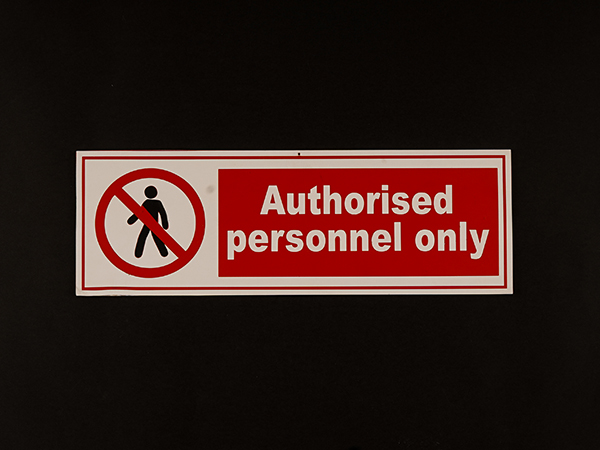 | Plastic Labels Vinyl Decals & Sticker is a kind of plastic that originates from characteristic substances, for example, salt and is viewed as an earth-accommodating... View product → |
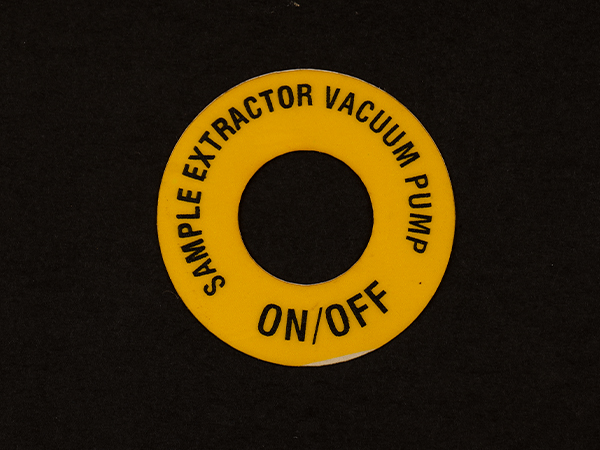 | Plastic Labels PVC & Polycarbonate Stickers are often used in various industries. View product → |
Frequently asked questions
Where should you place seasonal branding decals in a Bengaluru retail store?
Map windows, entrances, walls, counters, floors, and checkout areas according to each surface’s branding or wayfinding role and replacement date.
How do you choose the right format for retail vinyl decals?
Compare the campaign duration, surface type, viewing distance, required visibility, and whether the decal must be removed without damaging the finish.
How should you prepare a surface before applying a retail window vinyl sticker?
Remove dust, grease, residue, and moisture, then check that the surface is smooth, sound, and compatible with the adhesive.
What should outdoor vinyl decals withstand in Bengaluru?
Specify materials and finishes suited to direct sun, monsoon rain, temperature changes, repeated cleaning, and the expected campaign period.
What should a retail decal installation specification include?
Record artwork, dimensions, locations, surface types, vinyl and adhesive requirements, installation dates, removal dates, and replacement instructions.