


The choice depends on whether the label must operate as part of a control panel or simply identify, warn, brand, or mark an existing surface. By the end, you will know which construction fits your equipment, what to specify, how to test it, and when a lower unit price could create more installation or replacement work.
Key takeaways
- Use graphic overlays for operator controls and vinyl decals for finished-surface marking.
- Match adhesive and face material to heat, moisture, chemicals, abrasion and sunlight.
- Measure the panel, confirm artwork, and inspect surface cleanliness before ordering.
- Approve samples through installation and functional testing before releasing the full run.
Start with the function: interface part or applied label?
Choose a graphic overlay when the label is part of the operator interface; choose a vinyl decal when you are marking an already finished surface.
A true overlay is a functional faceplate, not printed artwork. It can combine a polyester or polycarbonate face film, reverse-printed graphics, pressure-sensitive adhesive, die-cut openings, display and LED windows, protective finishes, and embossed keys or tactile domes. A decal is normally a printed pressure-sensitive film applied to an existing panel.
It cannot replace a sealed membrane keypad or provide the same integrated key function.
| Option | What it contains | When it applies |
|---|---|---|
| Graphic overlay | Face film, protected graphics, cut-outs, windows, adhesive, and possible tactile keys | Membrane keypads, control panels, and interfaces requiring precise alignment |
| Vinyl decal | Printed exposed-face film, adhesive, and optional clear coat or overlaminate | Asset numbers, warnings, branding, and simple replacement markings |
For graphic overlays for equipment labels, reverse printing protects the graphics from abrasion, cleaning chemicals, and handling. A decal needs a compatible laminate or clear coat for similar protection; specifying only “vinyl” is incomplete.
Choose graphic overlays or vinyl decals for equipment labels in Bengaluru based on the finished surface and service conditions, not appearance alone. Outdoor or washdown equipment needs a face film, ink, adhesive, and laminate rated for sunlight, rain, humidity, oils, solvents, and pressure washing.
For safety information, use a layout aligned with ANSI Z535.4; a bright asset plate is not automatically a warning label.
Match the material and adhesive to the service environment
A flat cabinet, a curved guard, and a membrane keypad need different constructions. For vinyl decals for machinery, separate the film choice from the adhesive and specify both against the actual surface and exposure.
| Option | Best fit | Main limitation |
|---|---|---|
| Polyester | Durable equipment labels, nameplates, and control graphics | Less tolerant of deep embossing and compound curves |
| Polycarbonate | Graphic overlays, membrane keypads, embossed keys, and protected reverse printing | Scratches and chemicals can defeat an unsuitable finish |
| PVC | Flexible general-purpose labels and economical indoor markings | Confirm resistance to heat, oils, solvents, and plasticiser migration |
| Cast vinyl | Compound curves, rivets, recesses, and long-term exterior conformity | Usually costs more than calendared vinyl |
| Calendared vinyl | Flat panels and short- or medium-life identification, warning, or branding labels | Can shrink or lift sooner on curves and rivets |
Choose a permanent acrylic adhesive for long service on clean, painted metal or plastic. Use high-tack adhesive for textured surfaces or difficult plastics only after checking compatibility; it can damage paint during removal. Specify removable adhesive for temporary maintenance markings, not permanent safety labels.
Outdoor or washdown equipment needs a complete system: face film, ink, adhesive, and laminate. Ask for the finished construction’s intended exposure, expected life, resistance to Bengaluru sunlight, rain, humidity, oils, solvents, and pressure washing, plus the test or warranty conditions.
For a UL-certified product, ask whether the complete printed label construction and application surface meet UL 969. A UL-recognized film alone does not approve your finished label.
Measure the panel, specify the label, and inspect the surface
Give the supplier the panel’s actual dimensions, the label’s job, and the surface it must bond to. A replacement made from the old artwork alone can fail because the panel changed, the adhesive does not suit the coating, or a bright asset plate is mistaken for a compliant warning label.
1. Measure the usable width and height, not just the outside frame. Record corner radii, mounting holes, cut-outs, display and LED windows, button positions, embossing, and the maximum label thickness. Add a dimensioned drawing or clear photographs with a ruler.
2. State whether you need a graphic overlay or a vinyl decal, then specify the face material, colour, print method, protective finish, adhesive, quantity, and expected service life. For an overlay, identify tactile keys, legends, windows, and any reverse printing. For a decal, state whether exposed graphics need a clear coat or overlaminate.
3. Describe the message precisely. Provide the equipment name, model, asset number, serial-number format, barcode type, language versions, symbols, and required text. If it communicates danger, warning, or mandatory action, identify ANSI Z535.4 as the layout reference; equipment identification labels in Bengaluru do not become safety labels merely because they use red or yellow ink.
4. Inspect and report the substrate: powder-coated metal, bare metal, textured paint, plastic, or another surface. Note oil, dust, moisture, cleaning chemicals, outdoor exposure, and application temperature, then request cleaning, preparation, application-temperature, and dwell-time instructions. Include a close photograph of the surface and request a sample before approving production.
Install, test, and compare suppliers before approving a run
Approve a production run only after one sample survives installation and service checks on the actual equipment. Confirm the substrate, application temperature, cleaning method, adhesive dwell time, alignment marks, and edge-clearance requirement before the sample arrives.
- Clean the panel with the supplier-approved solvent and remove oil, dust, and loose coating.
- Apply the sample without stretching it; press from the centre outward to prevent trapped air.
- Check adhesion after the specified dwell time, then inspect edges after wiping, heat, moisture, and repeated button operation.
- Test transparent windows against the real LCD, LED, or lamp for glare, haze, readability, and alignment.
- Reject the construction if it lifts at corners, blocks a cut-out, interferes with a key, or leaves graphics exposed to routine handling.
When comparing custom graphic overlays in Bengaluru, ask every supplier to separate these quote items:
| Quote line | What to compare | Why it matters |
|---|---|---|
| Unit price | Quantity break and minimum order | A low price may hide a large minimum run |
| Tooling and setup | Die, embossing, screen, and artwork charges | These costs can dominate a small batch |
| Protection | Reverse print, laminate, clear coat, and ink type | Film alone does not prove durability |
| Proof and testing | Physical sample, adhesion check, window approval | Prevents an expensive functional mismatch |
| Packing and replacements | Individual packing, spares, and remake terms | Damage and fit errors create hidden cost |
When comparing Shreeniwas Signs Pvt Ltd with another supplier, send both the same artwork, substrate description, service conditions, and acceptance tests. Compare the complete delivered cost, not just the per-piece figure.
Related products
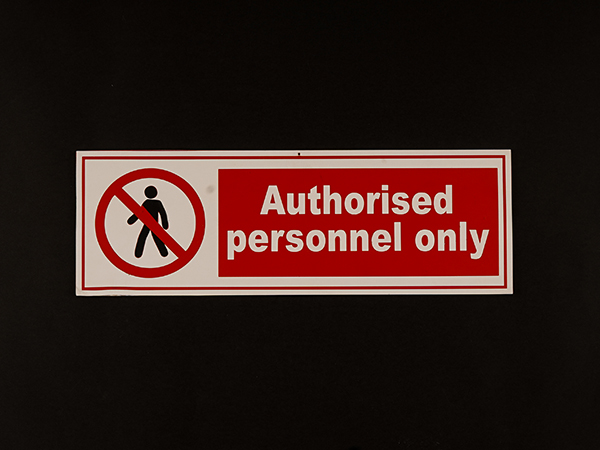 | Plastic Labels Vinyl Decals & Sticker is a kind of plastic that originates from characteristic substances, for example, salt and is viewed as an earth-accommodating... View product → |
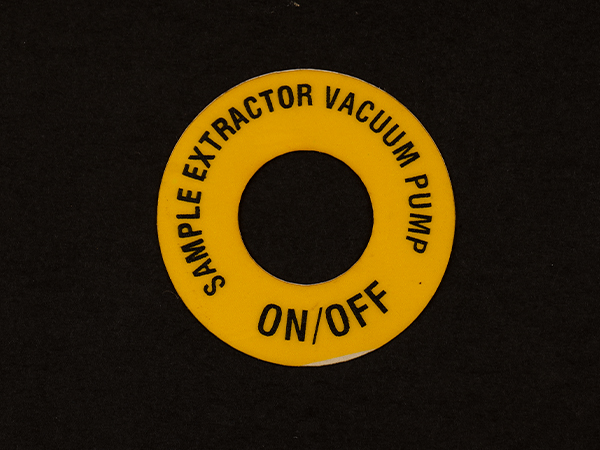 | Plastic Labels PVC & Polycarbonate Stickers are often used in various industries. View product → |
Use a decision checklist for common equipment labels
Choose a graphic overlay when the label is part of the control interface; choose a decal when you are marking an already finished surface. This decision checklist separates the two.
| Option | Choose | Specify |
|---|---|---|
| Membrane keypad | Graphic overlay | Face film, reverse-printed graphics, tactile keys, display or LED windows, die-cut openings, and sealed adhesive construction |
| Specification plate | Vinyl decal | Polyester or suitable vinyl, serial number, model, ratings, barcode, and permanent adhesive matched to the panel |
| Warning label | Vinyl decal | High-contrast layout, signal word and safety message to ANSI Z535.4, plus a protective finish for cleaning and abrasion |
| Outdoor asset | Vinyl decal | Cast vinyl for curves, rivets or recesses; UV-resistant print, overlaminate, and adhesive tested on the actual substrate |
| Electrical enclosure | Vinyl decal | Printed identification or rating label for a finished cabinet; use an overlay only when it forms the control face |
| Temporary maintenance marking | Removable vinyl decal | Short-term adhesive, clear removal instructions, and a surface test to prevent paint lift or residue |
For graphic overlays for equipment labels, reverse printing protects the artwork beneath the face film. A decal printed on its exposed surface needs a compatible clear coat or overlaminate; vinyl alone is not a durability specification.
Before ordering equipment identification labels in Bengaluru, confirm these points:
- Name the substrate: powder-coated metal, textured paint, plastic or bare steel.
- State application temperature, cleaning method, dwell time and required service life.
- For vinyl decals for machinery, identify cast or calendared construction and specify language, symbol and barcode requirements for export equipment.
Frequently asked questions
What is the difference between a graphic overlay and a vinyl decal?
A graphic overlay is part of an operator interface, covering controls or display areas. A vinyl decal marks an already finished surface.
How do you choose materials and adhesive for equipment labels?
Match the face material and adhesive to the equipment’s heat, moisture, chemicals, abrasion, sunlight and surface condition.
What should you measure before ordering equipment labels?
Measure the panel or application area, record openings and radii, confirm artwork dimensions, and inspect the surface for dirt, oil, damage and texture.
How should you approve a supplier before a production run?
Install a sample, test readability and function, check adhesion after exposure to service conditions, and compare supplier specifications and proofing.
Related products
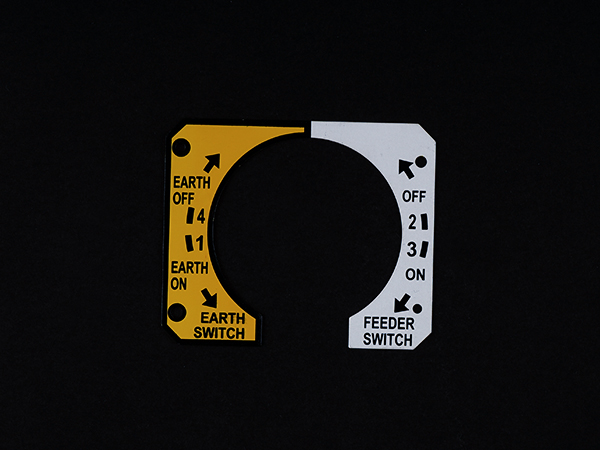 | Metal Labels A Control Panel Nameplate a flat, regularly vertical, region mounted on machine where control or observing instruments information are shown They are... View product → |
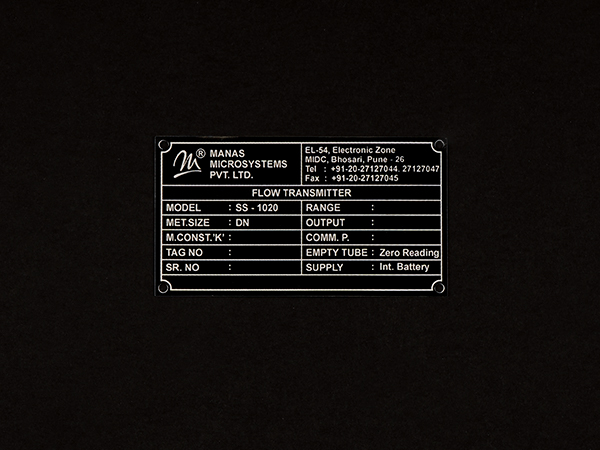 | Metal Labels Machine Specification Nameplate A Machine Specification Nameplate distinguishes and shows an item's name on gadget. View product → |