

The choice affects more than appearance: it determines where the graphic sits, how the product survives handling and cleaning, and how easily you can change artwork or add SKUs. Compare the production process, substrate, exposure, volume, and qualification requirements before selecting an integrated molded graphic or a surface-applied decal.
Key takeaways
- Use in-mold decoration for graphics that must survive handling and cleaning.
- Choose vinyl decals for changing artwork, short runs, or finished-product application.
- Test adhesion, abrasion, chemicals, heat, moisture, and edge lifting before approval.
- Specify artwork, materials, tolerances, tests, packaging, and application responsibilities in the quotation brief.
Where does the graphic sit, and how does each process work?
The decisive question is where the graphic sits. In-mold processes place printed material inside the mould before injection, so resin bonds to or covers the decoration; a vinyl decal is applied after the retail product has been moulded and finished.
For in mold decoration or vinyl decals for retail branding in mumbai, specify the exact process rather than treating both as interchangeable.
| Option | Where the graphic sits | How the process works |
|---|---|---|
| In-mold labeling | Label or film within the molded surface | A preprinted label is registered inside the mould; injected resin forms the product around it. The label may remain visible at the surface or become partly covered. |
| In-mold decorating (IMD) | Printed carrier film integrated into the part | A printed film is registered, sometimes thermoformed to the mould geometry, then insert-molded. The carrier film may remain as the protective outer layer. |
| Vinyl decal application | On the finished product surface | A cut vinyl graphic is applied after molding. The operator cleans the surface, positions the decal, presses out air, and allows the adhesive to bond. |
IML is a specific in-mold label method, while IMD describes a broader film-decoration approach. Vinyl avoids mould changes and suits short runs or changing artwork, but its exposed edges can lift or scratch. Approve colour on the actual substrate or a production part, not from RGB artwork alone.
Which retail surfaces and exposure conditions will the decoration face?
ABS, polycarbonate, PET, glass, painted metal, and coated rigid parts usually provide workable surfaces. Polypropylene and polyethylene are difficult because their low surface energy weakens ink adhesion and pressure-sensitive adhesive bonding. For retail product decoration in Mumbai, qualify the finished construction through monsoon humidity, condensation, storage heat, UV, cleaning, and handling—not with an indoor-sign test.
| Exposure | In-mold decoration | Vinyl decal |
|---|---|---|
| Abrasion and repeated gripping | The graphic sits beneath the molded surface, so rubbing and fingerprints cause less damage. Texture, mould wear, and exposed edges still require inspection. | Surface rubbing, fingernails, rings, and grip points can scratch the print, polish the film, or lift edges. |
| UV exposure | UV-resistant film and inks protect the graphic, but unprotected pigments can fade through clear resin. | Cast vinyl usually suits long-term curves better; sunlight, horizontal placement, and dark colors can shorten stated life. |
| Moisture and condensation | A sealed molded surface resists water when film-to-resin adhesion is sound. Poor bonding can cause lifting or whitening. | Cold, damp application traps moisture, creating bubbles and premature edge failure. |
| Detergents and oils | Embedded decoration generally tolerates cleaning better, subject to resin and ink chemistry. | Solvents, oils, and aggressive detergents can attack the face film or adhesive. |
| Heat and cold | Resin choice and thermal expansion determine cracking, distortion, or delamination. | Heat can cause shrinkage; cold reduces adhesive flow and makes impact cracking more likely. |
Specify the actual cleaner, temperature range, UV orientation, and grip cycle, then test production parts after conditioning.
Which production profile makes in-mold decoration or vinyl decals the better investment?
Choose in-mold decoration when you own or control the mould, expect high volume, and will sell a stable design for a long product life. Choose vinyl decals when launch speed, low tooling spend, seasonal artwork, or many SKUs matters more than the lowest eventual unit cost.
For in mold decoration retail branding in Mumbai, make the supplier show both cost curves.
| Option | One-time costs | Recurring costs | Best production profile |
|---|---|---|---|
| In-mold decoration | Film registration, mould or insert development, forming dies, print screens or cylinders, colour matching, trials, and setup scrap | Printed film, moulding, trimming, and process scrap per part | High volume, few artwork changes, owned mould, long product life, and graphics needing protection |
| Vinyl decals | Artwork preparation, die cutting setup, colour approval, and application fixtures | Vinyl, adhesive, transfer tape, weeding, surface preparation, labour, inspection, and replacements | Short runs, rapid launch, many SKUs, seasonal graphics, sampling, or finished products needing retrofit |
Ask for separate one-time engineering and recurring unit prices; combining them hides the break-even volume. In-mold decoration becomes harder to justify when the mould belongs to another party, the launch date is close, or each SKU needs a different graphic. Decals remain flexible, but application time and misplacement create labour and replacement costs.
For either route, approve colour on a physical production-part drawdown using the agreed substrate, illuminant, measurement method, and tolerance—not an RGB file. Include artwork ownership, revision charges, first-article approval, and lot traceability in the quotation.
How should you engineer, apply, and test the finished graphic?
Approve a production part, not a screen proof. For IMD, print the film, register artwork to mould datums, thermoform it if required, place it in the cavity, inject the resin, and trim the finished part. Check graphic alignment, film-to-resin adhesion, forming distortion, flash, scratches, and edge accuracy before releasing production.
For vinyl decals retail products in mumbai, define the application process in the work instruction:
- Clean and dry the surface; remove mould release, oil, dust, and condensation.
- Select removable adhesive for planned campaign changes and permanent adhesive for long retention. Test peel after the intended dwell period and environmental conditioning.
- Record the minimum film and substrate temperature. Do not apply to a cold, damp part during monsoon conditions.
- Apply with firm, even squeegee pressure, then allow the specified dwell or cure time.
- Seal exposed edges when moisture or repeated gripping can lift them.
- Inspect for bubbles, wrinkles, contamination, misalignment, lifting, and incomplete transfer.
Set color against an agreed substrate, illuminant, measurement method, and tolerance. Approve a physical drawdown or production part because white resin, transparent film, metallic layers, and dark substrates change appearance.
Verify barcodes, QR codes, and legal text on the formed or applied part. Test the complete construction for humidity, condensation, UV, elevated storage temperature, detergents, oils, abrasion, and repeated handling; a flat-sheet or indoor-sign test proves little. Reject any part that fails scan verification, peel, adhesion, or visual limits.
What should your Mumbai supplier quotation and approval brief contain?
A usable quotation for in mold decoration or vinyl decals for retail branding in Mumbai must separate engineering charges from recurring unit cost. Ask a specialist such as Shreeniwas Signs Pvt Ltd to review the decal substrate, adhesive, artwork tolerances, and application method before you release production quantities.
- State the film grade, ink system, resin type, moulding temperature, and confirmed film-to-resin compatibility.
- Quote cast and calendared vinyl separately: cast suits compound curves and long service; calendared suits flatter surfaces and shorter campaigns.
- Specify removable or permanent adhesive, application temperature, dwell time, and peel-test conditions after heat, moisture, and detergent exposure.
- Define colour using the substrate, illuminant, instrument, measurement geometry, and tolerance; approve a physical drawdown or production part, not an RGB file.
- Name the artwork owner and revision approver, including who pays for changed cylinders, screens, dies, or files.
- Require dated first articles with alignment, adhesion, barcode readability, scratch resistance, and edge inspection results.
- Record batch numbers for film, ink, resin, and adhesive, plus the decorated-part lot and final assembly date.
- State whether the supplier, moulder, or assembly site cleans surfaces, applies decals, cures them, inspects them, and replaces misapplied pieces.
| Option | Cost structure | Approval focus |
|---|---|---|
| In-mold decoration | Tooling, trials, setup scrap, recurring parts | Film registration, resin bond, trim quality |
| Vinyl decals | Artwork, conversion, application labour, replacements | Adhesion, placement, bubbles, lifting |
For retail product decoration in Mumbai, attach the approved sample, colour record, drawing revision, inspection plan, and traceability fields to the purchase order.
Related products
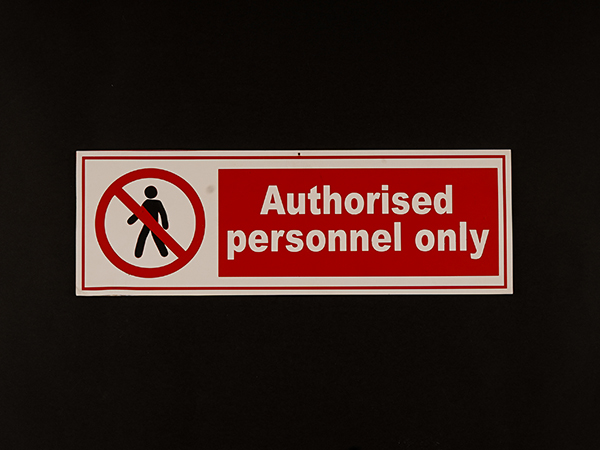 | Plastic Labels Vinyl Decals & Sticker is a kind of plastic that originates from characteristic substances, for example, salt and is viewed as an earth-accommodating... View product → |
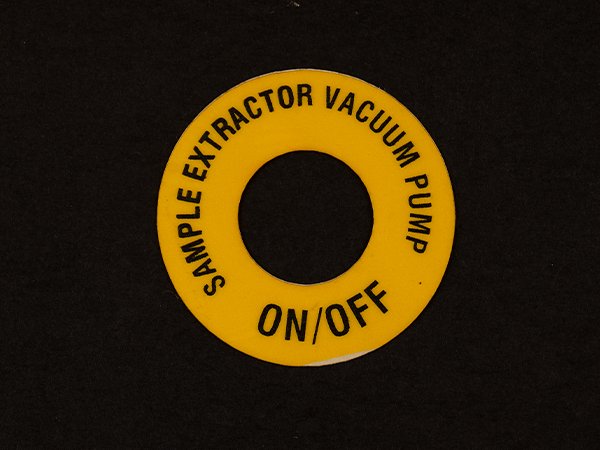 | Plastic Labels PVC & Polycarbonate Stickers are often used in various industries. View product → |
Frequently asked questions
How do in-mold decoration and vinyl decals differ?
In-mold decoration places printed film or material in the mould before injection, allowing resin to bond to or cover the graphic. A vinyl decal is printed, cut, and applied after the product is moulded.
Which retail product surfaces suit in-mold decoration or vinyl decals?
In-mold decoration suits compatible moulded plastic surfaces designed around the film and tooling process. Vinyl decals suit finished surfaces that are clean, smooth, dry, and able to accept adhesive.
When is vinyl a better investment than in-mold decoration?
Vinyl is usually the better choice for changing artwork, limited production quantities, product variants, prototypes, or application after moulding. In-mold decoration becomes more attractive when durable, integrated graphics justify tooling and process setup.
What tests should a retail product graphic pass before production?
Test adhesion, edge lifting, abrasion, cleaning chemicals, heat, humidity, sunlight exposure, and handling in the intended application. Record the test method, duration, acceptance limit, and sample condition.
What should a Mumbai supplier quotation include?
Request the graphic dimensions, substrate or film, adhesive, ink and finish, colour reference, tolerances, quantity breaks, tooling or setup charges, application method, inspection criteria, testing plan, packaging, lead time, and approval samples.