
An aluminium nameplate can solve peeling, cracking and fading caused by a failing label film, but it will not correct an oily mounting surface, unsuitable adhesive or unreadable artwork. By the end, you will be able to diagnose the failure, choose between aluminium, stainless steel and replacement stickers, and specify a replacement equipment label that survives its actual working conditions.
Key takeaways
- Replace stickers when film failure causes peeling, cracking, fading or solvent damage.
- Fix the mounting problem before choosing aluminium nameplates or adhesive.
- Specify alloy, thickness, marking method, contrast and safety information.
- Measure the old label and record surface condition before requesting a quote.
When an aluminium nameplate is the right replacement
Yes, an aluminium nameplate can replace a failing sticker when the failure is the label film itself: peeling edges, cracking, fading, solvent damage or abrasion. Choosing aluminium nameplates for failing industrial stickers in Mumbai will not cure an oily or textured mounting surface, a failing adhesive, galvanic corrosion or unreadable low-contrast printing.
| Failure in the old sticker | What aluminium solves | What it does not solve |
|---|---|---|
| Peeling, cracking or shrinkage | Replaces the weak film with a rigid plate | Poor bonding or unsuitable fasteners |
| UV fading and chemical staining | Supports durable etched, printed or engraved information | Loss of contrast from glare or damaged coating |
| Abrasion from handling or cleaning | Resists surface wear better than ordinary sticker film | Severe impact or aggressive chemicals without a specified finish |
| Changing inspection or calibration data | Provides a permanent identity plate with a replaceable data label | It does not make variable information permanent |
Use a plate for manufacturer, model, serial number, asset ID, ratings and safety limits that must remain with the equipment. Keep inspection dates, calibration status, QR destinations and maintenance details on a replaceable label; otherwise one changed field forces you to discard the whole plate.
A replacement equipment label must reproduce the information needed for safe identification, not merely copy the old artwork. If the equipment surface is oily, heavily textured or too hot for the adhesive, aluminium alone is not the fix; clean, rework or mechanically secure the mounting arrangement before ordering.
Choose the material and fixing method for the exposure
Aluminium is the default replacement for a sticker that faces outdoor exposure, oils, abrasion or repeated cleaning, but it is not automatically the strongest choice. Choose the material by failure mode, substrate and service temperature; durable industrial identification depends on the complete assembly, not the plate alone.
| Material | Best use | Main limitation |
|---|---|---|
| Aluminium | Outdoor asset identity, moderate heat, UV and abrasion | Galvanic corrosion against stainless steel, copper or wet carbon steel |
| Stainless steel | Salt spray, pressure washing, impact and severe chemical exposure | Higher cost, harder drilling, possible glare and galvanic interaction |
| Vinyl | Flexible surfaces, short-term warnings and changing information | Peeling, shrinkage, fading and solvent damage |
| PVC | Economical indoor labels and moderate-duty panels | Cracking or distortion under heat and UV |
| Polycarbonate | Tough, impact-resistant overlays and control interfaces | Scratches, chemical sensitivity and possible yellowing |
Use adhesive-backed aluminium when drilling is prohibited and the substrate is smooth, clean, dry and compatible with the adhesive. Painted metal, powder coating, stainless steel, textured panels and low-surface-energy plastics need different adhesive constructions; oil, dust or condensation causes edge lift.
Choose mechanical fixing when scraping, pressure washing, repeated handling, high temperature or oil contamination threatens the bond. Rivets or screws need sound mounting points, sealed edges and compatible fasteners. Isolation washers prevent galvanic corrosion, while drainage or a standoff stops trapped water.
For industrial stickers in Mumbai, a hybrid works well: mechanically fix the aluminium asset plate, then apply a replaceable label for inspection dates, QR destinations or maintenance data.
Specify the plate construction, marking and safety information
Choose 0.8–1.0 mm aluminium for most replacement equipment labels; use 1.5 mm where the plate is large, exposed to impact, or mounted across an uneven surface.
Specify the alloy, not just “anodised aluminium”: 5052 is a practical choice for corrosion exposure, while the supplier should state anodic-film thickness, colour, sealing method, and test results for cleaners, cutting fluids, salt and outdoor UV.
| Specification | Preferred choice | Use an alternative when |
|---|---|---|
| Thickness | 0.8–1.0 mm; 1.5 mm for impact | Use thinner stock only for protected indoor panels |
| Marking | Laser etching for permanent data; UV-resistant screen or digital print for colour | Use printed variable data when dates or QR destinations change |
| Surface | Sealed anodic finish with stated colour and film requirement | Use a tested powder coat for unusual colour or chemical exposure |
| Protection | Clear hardcoat or laminate tested for the cleaning regime | Omit it if glare could prevent barcode scanning |
| Edges | Deburred, rounded corners, and holes kept clear of the edge | Add folded edges only where handling or impact demands them |
Specify the information set before artwork approval. Include manufacturer, model, serial number, voltage, current, power, phase, frequency, ingress rating, warning symbols, operating limits, inspection date, QR destination and emergency contact. Keep barcode quiet zones, sharp edges and scan geometry intact.
For serialised aluminium nameplates in Mumbai, control the data as a production record: approve the numbering convention, revision, proof, barcode verification method, and reconciliation of issued and rejected plates. A hybrid plate can retain permanent identity while a replaceable label carries calibration dates or maintenance status.
Prepare the surface and measure the old label before ordering
A secure replacement starts with the mounting area, not the artwork. Isolate the equipment, remove the failed label and adhesive residue, then eliminate rust, paint flakes, burrs and oil. Degrease the bond zone with a substrate-compatible cleaner, allow it to dry fully, and reject any surface that leaves dust or grease on a clean wipe.
- Measure the available rectangle with a steel rule or caliper. Record width, height, corner radius, thickness clearance and any curved or unsupported span.
- Locate every hole from two fixed edges. Record hole diameter, centre-to-centre spacing, edge distance, countersink or counterbore detail, and whether fasteners are accessible behind the panel.
- Photograph the area straight on with a scale beside it. Mark obstructions such as welds, ribs, switches, seams and drainage paths; trapped water behind a plate will attack adhesive and promote corrosion.
- Capture the old label’s artwork at full resolution, but verify every field against equipment records. Include asset or serial number, model, ratings, limits, warnings and inspection information required for safe servicing.
- Create a controlled variable-data file for serial numbers, barcodes, QR destinations, revision codes and inspection dates. Approve the numbering convention, proof and barcode verification method before production, then reconcile issued, rejected and installed plates.
Use rounded corners and deburred holes for durable industrial identification. If only dates, calibration status or maintenance data change, specify a permanent aluminium plate with a replaceable label area rather than reordering complete replacement equipment labels. Keep adhesive edges off textured, oily or wet zones.
Turn the failure into a procurement brief in Mumbai
Give the supplier a failure record, a measured drawing and acceptance criteria, not “durable identification.” For aluminium nameplates in Mumbai, state the actual exposure: monsoon water, high humidity, heat, UV, salt contamination near the coast, cleaning chemicals, oils and abrasion.
1. Identify the asset, substrate and mounting method. Include plate length, width, thickness, corner radius, hole centres, surface texture, oil contamination risk, adhesive type or fastener material, and whether isolation washers, sealed edges, drainage or a standoff are required.
2. Specify the construction: aluminium alloy and temper if relevant, anodic-film or coating requirement, colour, sealing, marking process, minimum character height, barcode dimensions, laminate, operating-temperature range and the information that must remain permanent.
3. Separate permanent and changing data. A plate can carry the asset number while a replaceable label carries inspection dates, calibration status, QR destinations or maintenance details. This hybrid avoids replacing the whole plate when one field changes.
4. Define acceptance tests before comparing quotations. Request a production sample and evidence for adhesion on your actual substrate, print contrast after abrasion, cleaner and solvent exposure, UV and outdoor humidity exposure, and corrosion performance with the specified fasteners.
5. Reject evidence that says only “waterproof” or “corrosion resistant.” Ask for test conditions, duration, inspection photographs and failure limits, then approve a sample after checking barcode scans and legibility.
Shreeniwas Signs Pvt Ltd can be one Mumbai supplier to evaluate, alongside quotations for industrial stickers in Mumbai; compare each against the same brief for aluminium nameplates for failing industrial stickers in Mumbai.
Related product
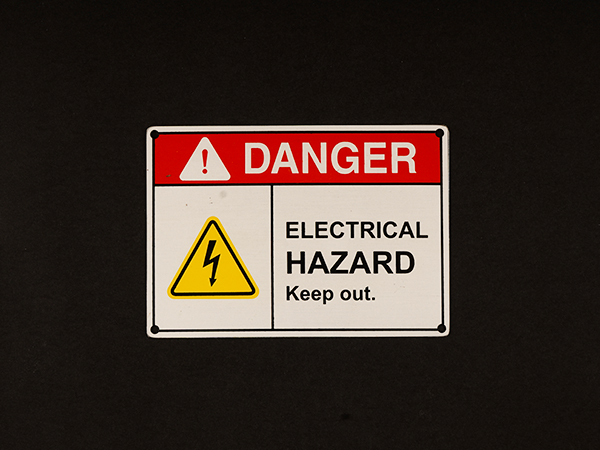 | Metal Labels Aluminum Nameplates are popularly known for their light weight and capacity to oppose corrosion.Its recognizable gleaming white shine offers... View product → |
Frequently asked questions
When is an aluminium nameplate the right replacement for an industrial sticker?
Use one when the sticker film is peeling, cracking, fading, damaged by solvents or worn by abrasion. It will not fix an oily or textured surface, failed adhesive or galvanic corrosion.
How should you choose the material and fixing method?
Match the plate and fixing method to heat, chemicals, moisture, abrasion, sunlight and the mounting surface. Check for galvanic corrosion when dissimilar metals will touch.
What should an aluminium replacement equipment label specify?
Define the plate construction, dimensions, thickness, marking method, contrast, mounting method and required safety or identification information.
What should you check before ordering replacement industrial labels?
Clean and inspect the mounting surface, measure the old label, photograph its position and record holes, corners, curvature and any surface damage.