


The right source depends on whether you need a stainless-steel plate, a printed film bonded to stainless steel, or a vehicle identification sticker applied to another component. You will be able to define the construction, test the supplier’s claims and order a label suited to heat, chemicals, vibration and weather rather than choosing by material name alone.
Key takeaways
- Choose a rigid plate, bonded film or component label for the identification task.
- Match stainless grade and label construction to heat, chemicals, moisture and abrasion.
- Specify dimensions, artwork, serial data, finish and fastening method before requesting quotes.
- Ask Pune suppliers for material samples, adhesive details, test evidence and production proofs.
Decide What Kind of Automotive Identification Label You Need
Start with the identification task, not the word “sticker.” Automotive stickers for stainless steel identification may be a rigid metal plate, a printed film bonded to stainless steel, or a component label, and each requires a different specification.
- Choose a stainless-steel plate for permanent equipment identification on chassis areas, engine bays or fuel systems. Use engraved, etched or laser-marked data when abrasion, heat or solvents could destroy printed ink.
- Choose printed film applied to stainless steel for VIN or serial-number labels, barcode and QR-code labels, and controlled variable data. Confirm that the ink, laminate and adhesive suit the actual temperature and cleaning process.
- Choose vehicle identification stickers with reflective face material for exterior body panels, doors or visibility-dependent markings. Reflectivity is an optical requirement, not a substitute for durability.
- Choose a tamper-evident asset label when removal must leave a void pattern, delamination or broken substrate. Choose a branding decal for logos and graphics where security and permanent equipment tracking are not required.
Do not ask suppliers to quote these products interchangeably. Reflective labels need specific optical performance; tamper-evident labels need a defined destruct pattern; permanent stainless steel automotive labels need a suitable face stock, marking method and environmental construction.
Before contacting a supplier, state the location, surface finish, temperature exposure, chemicals, cleaning method and information type. A dashboard, engine bay, fuel system and exterior panel demand different constructions.
Match the Material and Stainless Grade to the Vehicle Location
Choose the face material by location and exposure, not by appearance alone. Automotive stickers for stainless steel identification need resistance to heat, coolant, diesel, petrol, brake fluid, degreasers, pressure washing, UV light, vibration and road grit.
| Option | Best fit | Main limitation |
|---|---|---|
| Stainless steel | Engine bays, chassis and fuel-system identification | Adhesion fails if oil, passivation residue or polishing dust remains |
| Aluminium | Lightweight doors, dashboards and equipment plates | Dents and corrodes faster in severe chloride exposure |
| Metalphoto | Long-life, sealed graphics exposed to weather and chemicals | Higher specification than a basic printed sticker |
| Polycarbonate | Dashboards and protected interior panels | Can scratch, craze or distort near high heat |
| PVC | Moderate-duty interior identification | Poor choice for sustained heat and aggressive solvents |
| Vinyl | Temporary, curved or exterior graphics | Usually less durable than a metal-faced label |
304 stainless steel is a practical baseline for clean, sheltered vehicle locations. Request 316 when the label faces road salt, chloride wash water, coastal air or persistent splash; chloride contamination can stain or pit 304.
Finish affects adhesion as much as grade. Brushed stainless provides a directional texture, mirror finish exposes fingerprints and scratches, while electropolished and passivated surfaces need production-specific adhesive testing. Test the actual cleaning process, including stamping oil, coolant residue and fingerprints.
Map the label temperature during heat soak and thermal cycling, including radiant exhaust heat. A component’s general temperature rating does not reveal the label’s local peak. Choose a finish and adhesive that also survive repeated vibration, grit impact and pressure washing.
Specify the Construction, Size and Information Before Requesting Quotes
Request a quote for a complete construction, not a generic “sticker.” Tell the automotive sticker supplier the stainless grade, thickness, brushed or mirror finish, print method, protective overlaminate, adhesive, embossing and tamper-evident requirement.
For vehicle identification stickers exposed to UV and temperature cycling, permanent acrylic is a stronger starting point than low-cost rubber adhesive, but the supplier must match it to surface energy, contamination and service temperature.
1. Specify the label build: face-stock thickness; screen, digital or thermal-transfer printing; laminate material and edge coverage; embossed characters; and destructible, void or frangible tamper evidence. Ask whether laser marking or chemical etching is safer than a printed sticker where solvents, abrasion, steam cleaning or high heat could remove the surface print.
2. Supply a dimensional drawing with mounting-area length and width, corner radius, hole positions, bend radius, readable text height, and barcode or QR-code dimensions. Include the VIN, serial number, warning text, logo, colour, variable-data format and required quantity.
3. Separate print approval from bond approval. Grade two-dimensional symbols under ISO/IEC 15415 and linear barcodes under ISO/IEC 15416; sharp-looking artwork can still fail because of contrast, quiet-zone or reflectivity defects. Request retained samples and test the actual stainless finish.
A usable quotation states the application window, minimum application temperature, service-temperature range and surface-preparation instructions. A nominal adhesive grade without those conditions cannot support a fair comparison.
Prepare the Stainless Surface and Choose Adhesive or Mechanical Fastening
An adhesive label fails when oil, moisture or heat prevents the adhesive from wetting the stainless surface. Clean stamping oil, fingerprints, polishing residue, coolant and passivation chemicals with a cleaner compatible with both the finish and adhesive, then dry the surface completely.
Apply stainless steel automotive labels within the supplier’s minimum application temperature, using firm pressure across the entire label. Allow the stated dwell time before testing; immediate adhesion does not prove a durable bond. Qualify samples on the actual production finish and cleaning process, not laboratory-clean stainless steel.
| Mounting choice | Suitable condition | Main risk |
|---|---|---|
| Adhesive only | Flat, clean, moderate-temperature surfaces | Peeling on curves or oily surfaces |
| Rivets or screws | Vibration, high heat, persistent contamination | Holes, corrosion paths or component damage |
| Mechanical plus adhesive | Tamper-sensitive or severe-service identification | More installation time and inspection |
For automotive stickers for stainless steel identification, reject adhesive-only mounting when the location is curved, oily, highly vibrating or exposed to high temperature. Tamper-sensitive points may need rivets or screws.
Ask for 180-degree peel and shear or holding-power tests after defined dwell time, heat, moisture and road contamination. ASTM B117 salt-spray hours help compare constructions; they do not convert directly into vehicle service life because salt spray differs from road exposure.
Where to Source Automotive Stickers in Pune and What Evidence to Request
The lowest quote for automotive stickers in Pune is not comparable until the supplier prices the same construction and test conditions. Give every automotive sticker supplier the exact stainless grade and finish, label location, temperature map, chemical exposures, cleaning process, dimensions, information content and fastening method.
| Supplier type | What it can establish | What it cannot prove alone |
|---|---|---|
| Print-only vendor | Ink appearance, basic dimensions and artwork reproduction | Adhesion, die-cut accuracy, variable-data control, lamination performance or environmental life |
| Converter | Adhesive selection, die-cutting, variable-data control, protective lamination and environmental validation | Service life without testing your actual stainless finish and production cleaning process |
Ask for these records before comparing quotations:
- Samples applied to your actual brushed, polished, electropolished or passivated stainless surface
- Documented application window, minimum application temperature and service-temperature range
- Surface-preparation instructions covering stamping oil, fingerprints, coolant and passivation residue
- Print-durability data, retained production samples and test conditions
- UV and condensation results relevant to the location, including ISO 4892-3 where appropriate
- Confirmation of the fastening method and whether adhesive-only mounting is suitable
A generic sample or “acrylic adhesive” grade is not proof of service life. If solvents, abrasion, steam cleaning or high heat will destroy printed films, compare laser marking or chemical etching; these reduce short-run variable-data flexibility and can raise processing cost.
Shreeniwas Signs Pvt Ltd is a Pune-based automotive sticker supplier worth including when you need that combined specification discussion rather than print-only output.
Related products
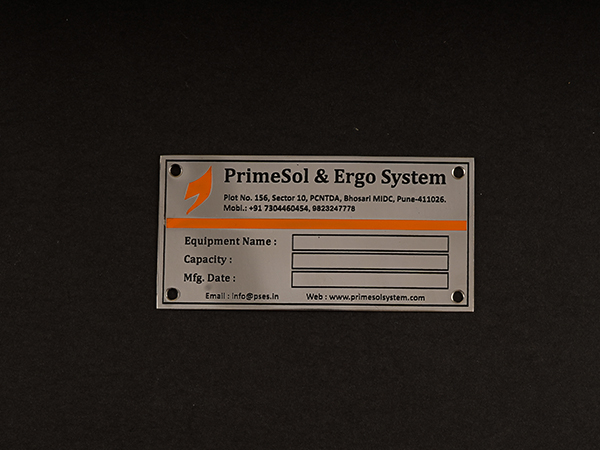 | Metal Labels In the most testing conditions, particularly overwhelming modern situations, where heat, moisture and erosion are available, Stainless Steel... View product → |
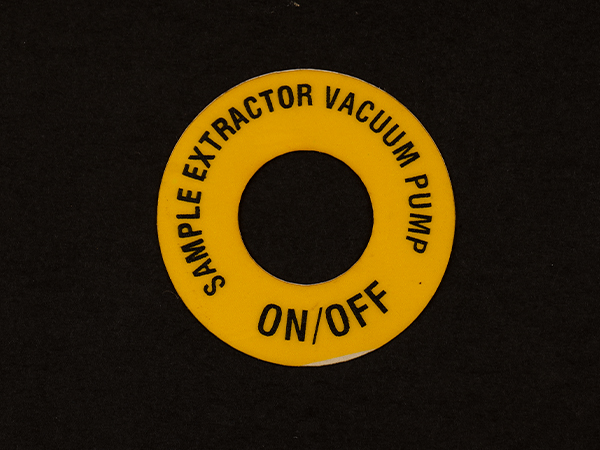 | Plastic Labels PVC & Polycarbonate Stickers are often used in various industries. View product → |
Frequently asked questions
What types of automotive stickers can identify stainless steel vehicle parts?
Choose between a rigid metal plate, a printed film bonded to stainless steel, and a component label. The correct type depends on flexibility, abrasion, temperature and the information required.
How do I match stainless steel and label materials to a vehicle location?
Assess the location’s heat, moisture, chemicals, sunlight, abrasion and cleaning exposure. Then specify the stainless grade, print or engraving method, protective finish and label construction for those conditions.
What information should I provide when requesting quotes for automotive stickers?
Provide the label dimensions, artwork, text, serialisation requirements, quantity, stainless grade, surface finish, colour, hole pattern, adhesive or fastening method, operating conditions and inspection requirements.
What should I request from an automotive sticker supplier in Pune?
Request material and adhesive details, samples, artwork proofs, production samples, dimensional checks and evidence that the finished label suits the vehicle’s temperature, chemical, moisture and abrasion exposure.
Related products
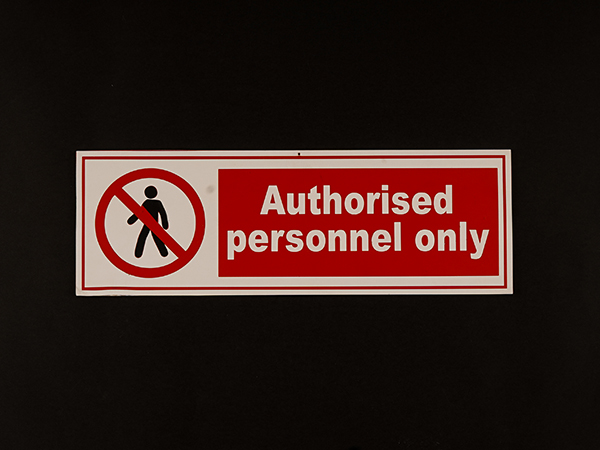 | Plastic Labels Vinyl Decals & Sticker is a kind of plastic that originates from characteristic substances, for example, salt and is viewed as an earth-accommodating... View product → |
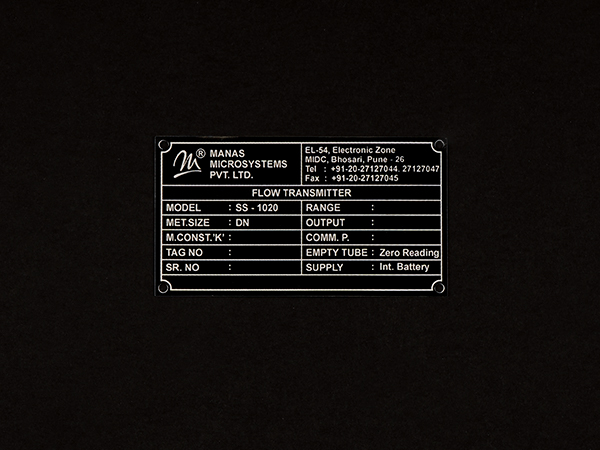 | Metal Labels Machine Specification Nameplate A Machine Specification Nameplate distinguishes and shows an item's name on gadget. View product → |