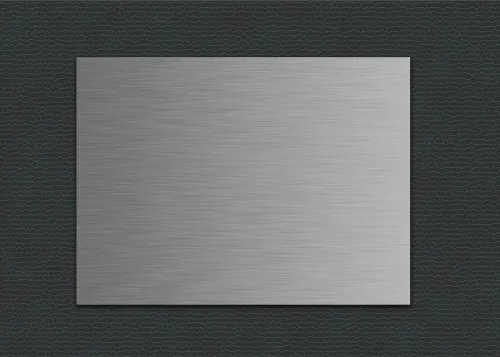


A brass plate cannot reverse scratches, faded printing, cracked plastic or failed adhesive on a polycarbonate sticker. It can replace the damaged identification surface, but only after you confirm which information must be preserved, whether the old label must be removed and whether brass suits the equipment’s environment.
Key takeaways
- Brass replaces identification; it does not repair polycarbonate.
- Inspect adhesion, legibility, chemical exposure and mounting space before choosing a replacement.
- Select brass, polycarbonate or another material for the actual service conditions.
- Specify dimensions, text, finish, holes, adhesive and operating environment when ordering.
What kind of damage can a brass nameplate actually solve?
A brass nameplate does not restore polycarbonate; it is a new identification plate. Install it over, beside or instead of the damaged sticker, and treat the original as still defective unless you remove it.
The response depends on the failure:
- Clean light surface scratches only when every word and symbol remains readable. Use a compatible protective overlay if the film is sound.
- Re-bond a lifting edge only when the printed information remains intact, the substrate is clean and dry, and no moisture sits beneath it.
- Replace faded, abraded, chemically attacked or delaminated printing. Cleaning cannot recover a lost image.
- Replace cracked polycarbonate because its film structure and seal have failed.
- Use a full replacement when the label is missing.
A repair polycarbonate stickers in Pune job therefore applies only to limited cleaning, edge re-bonding or compatible clear overlays. Brass nameplates for damaged polycarbonate stickers in Pune are replacements, not restorative treatments.
Do not bond over loose edges, trapped moisture, lifted adhesive, cracked plastic, contamination or an unreadable warning. Remove the old sticker and bond the plate to sound substrate. Otherwise, the weak layer remains underneath and the new plate can fail with it.
The brass plate must reproduce the machine name, model, serial number, ratings, operating instructions, warning symbols and traceability details. Confirm the information is current before production; covering a safety warning or rating creates a new identification and compliance failure.
How should you inspect the label before choosing repair or replacement?
Document the label before touching it: photograph the entire label and take close-ups of every scratch, lifted edge, crack, stain and missing section. Then record:
- Height, width, thickness and corner radius
- Hole positions, or the area covered by adhesive
- Every word, number, symbol, rating and warning
- The machine serial number in a separate photograph
- Whether the recorded information remains current
A limited repair polycarbonate stickers in Pune job can involve mild detergent and water, followed by an approved isopropyl-alcohol wipe, edge re-bonding or a compatible clear protective overlay. Test any cleaner on an inconspicuous area first. Never use acetone, MEK, ketones, aromatic hydrocarbons, chlorinated solvents or strong alkaline cleaners: they can craze or embrittle polycarbonate.
| Damage | Action | Inspection decision |
|---|---|---|
| Surface dirt or a lifting edge | Clean, then re-bond | Repair only if printing remains intact |
| Faded, abraded or chemically attacked printing | Replace | Cleaning cannot recover lost information |
| Cracked film or delamination | Replace | The film structure has failed |
| Missing or unreadable label | Replace | Reproduce all required identification and warnings |
For polycarbonate sticker recovery in Pune, replacement is the reliable choice when printing or film structure has failed. Confirm whether a new plate would hide an unreadable warning, trapped moisture, contamination or loose material; remove the old label first if it would.
Which replacement material fits the equipment and service conditions?
Choose the replacement by failure risk, not appearance. Brass nameplates provide a rigid, visible plate with durable engraved or etched marking, but they add thickness and weight; specify lacquer, plating or another finish if tarnishing is unacceptable.
| Option | Main advantage | Best fit and failure risk |
|---|---|---|
| Brass | Rigid, durable marking | Fixed, visible surfaces away from persistent water, chemicals, flexing and high heat |
| New polycarbonate | Flexible, transparent, familiar appearance | Control-panel overlays, viewing areas and visual matches |
| Stainless steel | Strong resistance to wet, abrasive and chemical service | Harsh equipment environments |
| Aluminium | Lower weight | Large plates or weight-sensitive assemblies |
| Metalphoto | Sealed photographic marking on anodized aluminium | Detailed, durable graphics and identification |
| Vinyl | Flexible, low-cost application | Short-term or lightly exposed identification |
Reject brass if the label must flex, stay transparent or tamper-evident, follow a curved or moving part, or fit beneath a flush cover. Check direct sunlight, heat, oil, coolant, cleaning chemicals, dust, abrasion, condensation and the planned cleaning method before choosing it.
In Pune, outdoor labels face monsoon wet-dry cycles and strong solar exposure, so adhesive edge lifting and tarnish belong in the risk assessment.
- Measure plate thickness, weight, cable clearance and mounting space before ordering.
- Confirm whether adhesive suits the substrate, temperature, humidity, peel load and dwell time; nominal adhesive thickness proves nothing.
- Compare purchase price with downtime: a costlier plate can be cheaper than repeated shutdowns and relabelling.
This approach applies whether you need to replace damaged polycarbonate labels in Pune or source brass nameplates for equipment in Pune.
How do you install a brass replacement without creating a new failure?
A brass replacement fails when it carries a weak, dirty sticker underneath. For jobs to replace damaged polycarbonate labels in Pune, remove any loose, embossed, contaminated or moisture-trapping film and bond only to a sound substrate.
1. Clean the exposed surface with a compatible detergent, rinse if required, and dry it completely. Remove oil, coolant residue, dust and cleaning-chemical deposits. Do not apply adhesive over lifted edges, cracked plastic or unreadable safety information.
2. Inspect the Pune service environment before selecting brass. Monsoon humidity, condensation, outdoor dust, direct sunlight, and repeated wet-dry and hot-cool cycles can lift adhesive or fade markings. Brass nameplates for equipment in Pune are not automatically weather-resistant, and uncoated brass can tarnish or develop patina.
Specify clear lacquer, nickel plating or another protective finish, and state whether patina is acceptable.
3. Round every plate corner to reduce edge lift. Apply firm, uniform pressure across the entire plate, then observe the adhesive manufacturer’s stated dwell or cure period before exposing the label to water, heat, oil or cleaning.
4. For screws or rivets, check enclosure-wall thickness, internal wiring, service clearance and the required IP rating before drilling. A misplaced hole can damage a cable or destroy water resistance.
5. Where brass meets aluminium, stainless steel, painted steel or wet equipment, assess galvanic corrosion. Use isolation washers, plated fasteners, sealants, barrier coatings and drainage where the design requires them. A dry adhesive layer can also isolate dissimilar metals.
What should you specify when ordering the replacement plate?
Specify acceptance criteria that a manufacturer can quote and reproduce, not just a plate size. State the brass alloy or sheet grade, thickness, length, width, corner radius, finish, marking method, contrast, adhesive or fastener system, substrate preparation, service-temperature range, humidity, chemical exposure, cleaning method and required legibility after installation.
| Marking method | Result | Best fit |
|---|---|---|
| Engraving | Recessed lines; filled engraving improves contrast | Grease, dust, glare and repeated cleaning |
| Chemical etching | Shallow, precise detail with controlled contrast | Fine text and symbols on flat plates |
| Stamped recesses | Formed depressions with strong physical definition | Simple numbers, arrows and repeated parts |
| Laser marking | Crisp, contact-free marking with variable contrast | Detailed data where the surface and process are validated |
Require characters and symbols to remain readable from the normal viewing distance after cleaning, not merely at dispatch. Specify a clean, dry, oxide-free bonding surface, adhesive dwell time, or fastener type and isolation method.
Approve a production sample showing the information hierarchy before release. Check that the plate does not cover a warning, rating, serial number or regulatory marking.
For polycarbonate sticker recovery in Pune, compare suppliers on documented material, finish, marking process, attachment method and environmental assumptions. Shreeniwas Signs Pvt Ltd can be considered alongside other suppliers for brass nameplates for damaged polycarbonate stickers in Pune only when that evidence accompanies the quotation.
Related product
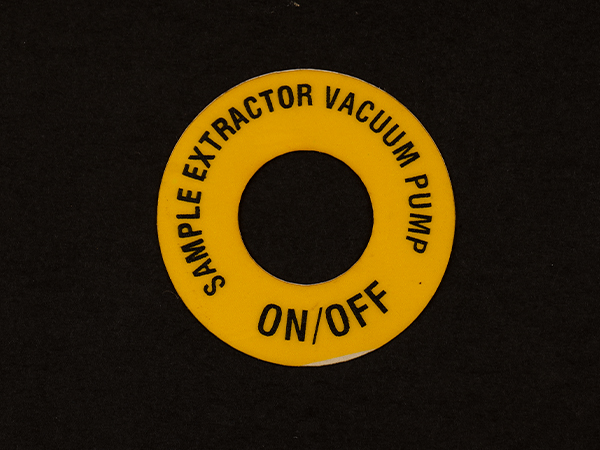 | Plastic Labels PVC & Polycarbonate Stickers are often used in various industries. View product → |
Frequently asked questions
Can a brass nameplate repair a damaged polycarbonate sticker?
No. A brass nameplate is a new identification plate. Install it over, beside or instead of the sticker, and remove the defective label if it could confuse operators.
What damage means you should replace a polycarbonate label?
Replace it when text is unreadable, the film is peeling, the adhesive has failed, the surface is cracked or chemicals and heat have damaged the label.
When is brass a suitable replacement for a polycarbonate label?
Choose brass when you need a rigid, durable plate and the equipment can accept its thickness, fasteners or adhesive under the operating conditions.
How do you install a brass replacement without causing another failure?
Clean and dry the mounting surface, remove loose material, avoid covering controls or vents, use suitable fasteners or adhesive, and check edge lift after installation.
What should you specify when ordering a brass equipment nameplate?
Provide the plate dimensions, wording, symbols, font or layout, material thickness, finish, mounting holes, adhesive requirement, operating environment and delivery quantity.