
The choice depends on whether the marking must be formed into the vehicle part, attached after production, or changed throughout the part’s life. By comparing process, materials, traceability, environmental exposure, and validation evidence, you can select a marking method that remains readable and serviceable in its actual vehicle location.
Key takeaways
- Choose in-mold decoration for graphics that must become part of the molded component.
- Choose aluminium nameplates when post-production application or replacement matters.
- Specify part geometry, readable data, adhesive, temperature, fluids, and abrasion exposure.
- Request samples tested on the actual vehicle component before production release.
Choose by how the marking becomes part of the vehicle component
Choose in-mold decoration when the graphic must become part of the vehicle component; choose an aluminium nameplate when you need a marking applied after the part is finished. For in mold decoration or aluminium nameplates for vehicle parts in pune, start with the component’s geometry, volume, and replacement needs.
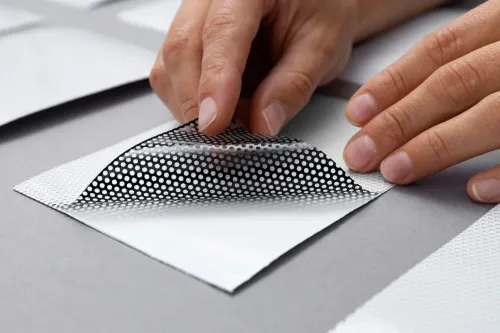
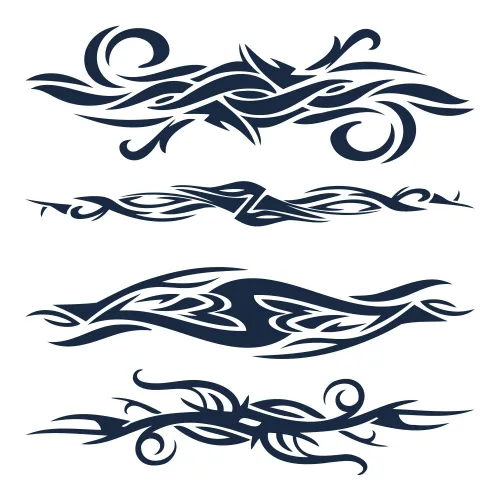
IMD places a printed film in the mould, then uses thermoforming and/or injection moulding to embed icons, legends, colour fields, logos, or backlit effects behind transparent or translucent polymer or a hardcoat. Suitable thermoplastics include polycarbonate, ABS, and PC/ABS. It suits dashboard and console graphics, integrated switch panels, bezels, trim branding, and switch markings.
IML inserts a preprinted label that becomes part of the moulded surface; IMD integrates the decorated film with the visible part construction.
| Option | What it means | Best starting point |
|---|---|---|
| IMD | Film is formed and moulded into the visible component | High-volume integrated interiors |
| Aluminium nameplate | Finished plate is bonded or mechanically fixed afterward | Under-bonnet labels, batteries, electrical parts, badges, service codes, lower volumes |
For in mold decoration in pune, specify forming depth, draw ratio, film registration, mould temperature, injection conditions, surface texture, and clear-resin flow. Stretched areas can distort artwork, causing wrinkles, trapped air, delamination, sink marks, knit-line visibility, or registration errors.
IMD delivers a protected, integrated appearance but requires tooling and process development; aluminium nameplates for vehicles are easier to revise or replace, but introduce an adhesive or mechanical joint.
Match the marking method to the part, data, and production volume
The right automotive part marking options depend on permanence, data changes, production volume, and the finished part’s exposure.
| Option | Best fit | Main limitation |
|---|---|---|
| Molded-in lettering | Permanent, high-volume marks that will not change | Tooling changes make revisions difficult |
| IMD | Integrated graphics, switch panels, bezels, and trim | Requires film registration and mould-process development |
| Aluminium nameplate | Under-bonnet codes, batteries, electrical parts, and exterior badges | Adds an adhesive or mechanical joint |
| Laser marking | Automated variable data on a contrasting substrate | Poor contrast reduces readability and affects appearance |
| Dot-peen | Robust indented marks on metal | Creates noise and a visible indentation |
| Inkjet | Flexible batch, date, or lot coding | Ink and substrate compatibility needs validation |
| Pad or screen printing | Visible graphics, logos, and legends | Validate ink adhesion, abrasion, solvents, and substrate |
| Vinyl decal | Low-tooling-cost graphics and changing artwork | Edges can lift, and removal is easy |
| Polycarbonate label | Printed interface graphics and switch legends | Requires validation against abrasion and chemicals |
| Stainless-steel plate | Severe mechanical or chemical exposure | Higher weight, forming, and finishing cost |
Use adhesive labels when revisions, service replacement, or rapid artwork changes matter more than maximum permanence. Select by reading distance, appearance, automation, rework method, and whether the part will be painted, clear-coated, overmoulded, assembled, or pressure-washed.
A regulatory VIN or certification label is not a decorative badge. Vehicle identification labels must follow destination-market rules, including the 17-character VIN requirement and 49 CFR Part 567 where applicable.
Define whether marking occurs before coating, under clearcoat, in the moulded surface, or after finishing; the wrong sequence can hide a code or damage corrosion protection.
Specify identification content and an aluminium nameplate that can be read and replaced
Put only traceable, testable information on vehicle identification labels: part number, revision, serial or batch number, QR code, Data Matrix code, barcode, manufacturer mark, date code, warning symbols, and human-readable text.
A supplier part number, batch label, or service label is not a VIN-related label; VIN format, location, permanence, and tamper resistance follow separate market rules.
1. Define each machine-readable code by symbology, cell size, quiet zone, contrast, verifier grade or acceptance threshold, reading distance, surface curvature, texture, and post-exposure readability. A code that looks sharp can still fail decoding on reflective, curved, or textured aluminium.
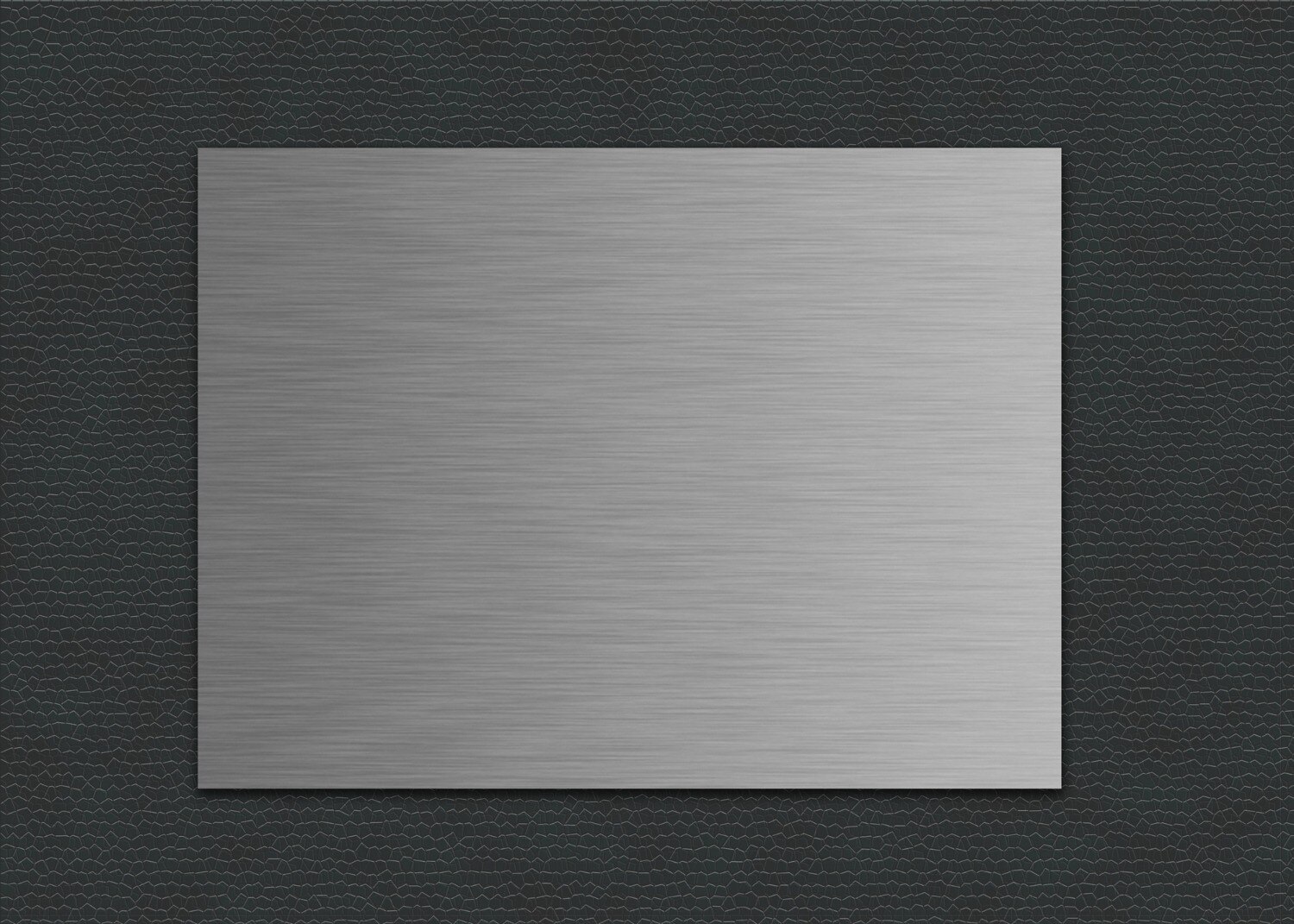
2. Specify the aluminium nameplate for manufacture: alloy or temper, thickness, anodised, etched-and-anodised, painted, brushed, or clear-coated finish, print method, protective coating, adhesive or mechanical fixing, hole locations, corner radius, bend radius, and artwork tolerances. State whether the code is under clearcoat, on finished coating, in the moulded surface, or on a separately bonded plate.
3. Treat doming and embossing as trade-offs. They improve tactile and visual differentiation but reduce flatness and effective bond area. Check plate thickness, adhesive thickness, part curvature, edge lift, and minimum bend radius together; nominal CAD fit does not prevent corner lift after thermal cycling.
4. Require an artwork proof and first-off approval before series production. Record the approved human-readable text, code data, dimensions, finish, fixing method, and acceptance result.
For regulatory VIN or certification marking, verify the destination market separately; in the United States, applicable vehicles use a 17-character VIN and certification labels fall under 49 CFR Part 567.
Validate the complete marking assembly for its installed environment
A marking that survives a flat coupon can fail on the installed vehicle part. Qualify the complete assembly, not a generic claim such as “automotive grade,” “outdoor grade,” or “corrosion resistant.”
1. Classify the location before requesting tests. Exterior body panels face ultraviolet exposure, abrasion, road salt, detergents, rain, and pressure washing. Interior trim usually faces lower salt exposure but still needs abrasion, humidity, cleaning-fluid, and temperature-cycle testing. Under-bonnet parts add heat, coolant, oil, fuel, road splash, vibration, humidity, and cleaning chemicals.
Obtain the vehicle programme’s exact temperatures, dwell times, UV dose, fluid concentrations, salt test, abrasion method, and acceptance limits from the programme or supplier; do not equate road use with engine-bay service.
2. Test production-intent substrate, finish, adhesive, ink, film, and fixing method together. For bonded plates, run separate builds on painted metal, polypropylene, polyethylene, ABS, PC/ABS, nylon, rubber, and textured mouldings. Record cleaning method, required bond area, minimum application temperature, dwell time, and cure time.
3. Inspect for adhesive ooze, edge lift, delamination, ink bleed, contrast loss, corrosion at cut edges, trapped moisture, and galvanic effects. Test installed curved and textured parts, not only flat coupons, then confirm readability after abrasion, fluid contact, UV, and temperature cycling. Include vehicle identification labels where scanner performance matters.
4. Put measurable acceptance criteria in the drawing or purchase specification, including scanner results and the replacement or rework procedure. For in mold decoration in Pune, require approval on the actual moulded geometry, not a flat artwork sample.
Build a Pune sourcing brief that proves the choice before release
Approve neither construction from a flat artwork file nor “automotive grade.” For in mold decoration or aluminium nameplates for vehicle parts in pune, define the testable build before requesting a quote.
- For in mold decoration in pune, provide polymer grade, surface texture, forming depth, draw ratio, colour standard, gloss or haze limits, viewing distance, abrasion chemistry, UV requirement, operating-temperature range, installation orientation, and complete exposure profile.
- For aluminium, specify substrate, coating chemistry, attachment method, curvature, hole pattern, artwork, variable-data format, cleaning chemicals, and service or replacement process.
- Request a material declaration, process-capability evidence, artwork proof, traceability plan, environmental test reports, scanner-verification results, and first-off samples.
| Option | Tooling and production checks | Lifecycle decision |
|---|---|---|
| In-mold decoration | Compare tooling changes, film-registration trials, mould-process capability, end-of-line scanning, recycling implications, and rework cost. | Choose only after testing the actual polymer, finish, cleaning agents, and installed orientation. |
| Aluminium nameplate | Compare adhesive or fastener access, edge protection, scanner performance, replacement access, and rework cost. | Choose when revision, service replacement, or lower-volume production outweighs integrated appearance. |
Shreeniwas Signs Pvt Ltd is useful when automotive part marking options require coordinated artwork, printed or etched aluminium, labels, decals, or interface graphics rather than an isolated material purchase.
Keep acceptance criteria and traceability responsibilities on the drawing, and release it only after the installed assembly passes the programme’s UV, temperature, humidity, abrasion, fluid, detergent, salt, and corrosion tests.
Related product
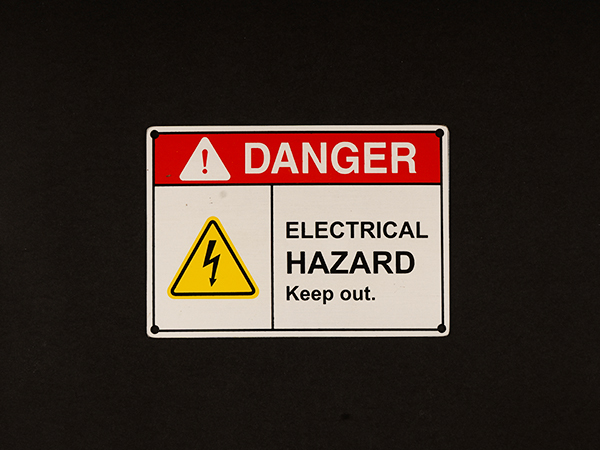 | Metal Labels Aluminum Nameplates are popularly known for their light weight and capacity to oppose corrosion.Its recognizable gleaming white shine offers... View product → |
Frequently asked questions
When should you choose in-mold decoration instead of an aluminium nameplate?
Choose in-mold decoration when the graphic must become part of the molded vehicle component. Choose an aluminium nameplate when marking is applied after the part is finished or may need replacement.
What should you compare when selecting automotive part marking options?
Compare the component’s geometry, marking data, production volume, installation process, replacement needs, and exposure to heat, fluids, abrasion, and weather.
What information belongs on aluminium nameplates for vehicles?
Specify the identification content, including the part or model number, serial or batch data, manufacturer information, warnings, symbols, and any required traceability code.
How do you validate vehicle identification labels before release?
Test the complete marking assembly on the installed component, including the plate or graphic, adhesive or mounting method, cleaning process, temperature, fluids, abrasion, and readability.
What should a Pune sourcing brief contain?
Include drawings, component material and geometry, artwork, dimensions, data fields, finish, adhesive or mounting method, expected volume, environment, testing requirements, and replacement needs.