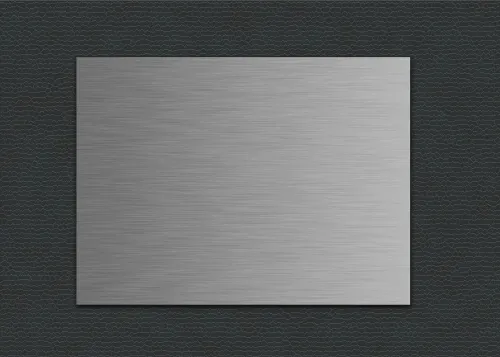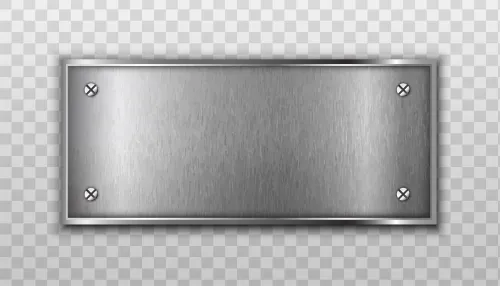


A brass plate and a control-panel label identify equipment in very different ways: one supports permanent asset identification, while the other helps an operator find a switch, terminal, warning, or setting. By comparing exposure, readability, fixing, update frequency, and electrical-panel requirements, you can select the right material and prepare a production-ready specification for Pune conditions.
Key takeaways
- Use brass for permanent identity; use panel labels for operator instructions.
- Match materials to moisture, heat, chemicals, abrasion and outdoor exposure.
- Design labels around operator sightlines, panel space and electrical drawings.
- Approve a physical sample before releasing labels for site installation.
Choose brass for identity and panel labels for operation
A permanent brass nameplate is better when the equipment needs one durable identity: manufacturer, model, serial number, rating, or ownership details that must remain with the machine for years. Use a control-panel label when the operator needs immediate guidance at a switch, pushbutton, terminal, gauge, warning zone, or selector position.
Brass nameplates or control panel labels for equipment in Pune solve different problems. Engraved or etched brass gives a premium, substantial finish and withstands heat, handling, and ordinary industrial wear.
It will tarnish in humid air or under chemical exposure, but a clear protective coating slows discolouration; clean it with a mild detergent, not abrasive polish.
| Option | Best information | Main trade-off |
|---|---|---|
| Engraved or etched brass | Serial, model, rating, asset identity | Permanent and premium, but drilling, deburring, finishing, and individual marking add cost |
| Polyester, polycarbonate, or two-layer laminate | Switch names, terminal references, voltage warnings, operating instructions | Clear, compact, and easier to revise; adhesive and print life depend on heat, oil, sunlight, and cleaning |
| Replaceable vinyl or PVC label | Temporary references or frequently changed settings | Lowest modification effort, but the shortest and least predictable life in harsh exposure |
Brass nameplates versus panel labels in Pune therefore comes down to identity versus operation. Do not crowd danger warnings and circuit references onto a decorative nameplate. Match panel text to the electrical drawing, wire numbers, terminal designations, and component references; a material mismatch is easier to fix than inconsistent documentation.
Match the label material to Pune exposure and failure risks
Choose the material by the exposure that destroys legibility first: sunlight, monsoon humidity, oil, coolant, abrasion, cleaning chemicals or heat. For control panel label options in Pune, match the finish to that failure, not merely to the machine’s appearance.
| Option | Finish | Best fit and failure risk |
|---|---|---|
| Two-layer engraved laminate | Engraved contrasting core | Indoor panels and tactile text; flame, radiant heat and solvents can damage it |
| UV-printed polyester | Protective clear overprint | Colour graphics and moderate indoor exposure; edges and print can fail under abrasion or harsh cleaning |
| Printed polycarbonate overlay | Clear protective face, adhesive backing | Membrane switches and frequent wiping; poor bonding or chemical attack causes lifting and clouding |
| Anodized aluminium | Sealed anodic image or laser marking | Lightweight metal panel identification in Pune; strong contrast, but harsh chemicals can attack the finish |
| Stainless steel | Etched or laser-marked, optionally passivated | Washdown, outdoor sunlight, abrasive cleaning and aggressive chemicals; costs more and is harder to machine |
| Brass | Engraved or etched, with clear lacquer | Permanent identity plates and premium appearance; untreated brass tarnishes, while lacquer needs inspection |
Use anodized aluminium when brass would add weight or visible tarnish without improving service life. Select stainless steel for coolant, solvent or outdoor exposure, and specify a sample after the actual cleaning process has been tested.
For a brass plate, confirm the engraving depth, fill colour and coating rather than assuming polished metal will remain readable. For polyester or polycarbonate, test the adhesive on the painted panel at operating temperature; a label that curls at one corner soon loses its warning or circuit reference.
Design the plate around the panel, operator and electrical documentation
Fix the label’s footprint, viewing distance, wording and drawing reference before anyone approves artwork. A plate that fits the door but hides a selector legend, clashes with a gland or uses abbreviations absent from the schematic creates a maintenance error.
1. Measure the available width and height, corner radius, hole centres, edge clearances and mounting surface. Show the door cut-outs, hinges, handles, cable glands and adjacent labels on the layout.
2. Define content by function: equipment tag, switch position, pushbutton action, terminal designation, wire number, component reference, voltage warning or gauge unit. Keep the machine tag separate from operator instructions so a future replacement does not require changing both.
3. Set readability from the normal operator position. Specify minimum character height, uppercase or mixed case, line spacing, contrast, arrow direction, colour coding and viewing angle; crowded text that is technically present but unreadable has failed.
4. Match every abbreviation to the electrical drawings, terminal schedule and parts list. IEC 60204-1 treats identification and marking as part of machine electrical equipment practice, so use identical references on the label and schematic.
The brass nameplates versus panel labels in Pune decision also affects the drawing: reserve brass for a fixed identity plate, while functional labels need space for revisions. Review control panel label options in Pune at the actual scale, including two-layer laminate, polyester, polycarbonate and metal.
If brass sits inside an enclosure, specify secure mounting and clearances because it conducts electricity. Approve only a dimensioned proof showing text, holes, colours, adhesive or fasteners and the revision number.
Prevent installation and compliance errors before the labels reach site
Approve a label only after you verify its wording, position, fixing method and drawing reference against the machine documentation. A mismatch between a pushbutton legend and the electrical schematic can delay isolation or cause incorrect operation.
1. Compare every legend with the latest schematic, panel layout, bill of materials and terminal schedule. Match component references, wire numbers, terminal designations, voltage values and abbreviations exactly; record drawing revision and label revision together.
2. Check the physical location on an assembled-panel photograph or first article. The operator must read the label from the normal working position, without opening the enclosure, while the label must not cover vents, fasteners, inspection windows, hinges or emergency-stop clearance.
3. Separate ordinary identification from safety communication. Put asset data and equipment names on the nameplate; use distinct danger, warning, caution and instruction labels for electrical hazards, hot surfaces, moving parts and isolation steps. Do not compress every message onto one plate.
4. Test the attachment plan on the actual surface. Specify powder-coated or textured substrate, cleaning method, application temperature, dwell time before service and adhesive type. Use rivets, screws or captive fasteners for large brass plates, outdoor assets and high-vibration equipment.
5. Sign off a marked-up proof before production, including an orientation arrow and hole pattern where relevant. For metal panel identification in Pune, and when comparing control panel label options in Pune, retain the approved proof with the machine file for replacements and audits.
Specify, sample and inspect labels with a Pune supplier
For brass nameplates or control panel labels for equipment in Pune, request a controlled specification rather than a material-only quotation. Fix the metal or plastic grade, thickness, finish, marking method, artwork revision, colour, font height, hole position, adhesive, edge treatment, and acceptable dimensional tolerance.
State whether the label needs rivets, screws, or adhesive, and name the panel surface and application temperature.
Ask Shreeniwas Signs Pvt Ltd for a marked-up proof and one production sample before approving the full quantity. Your purchase specification should include:
- The approved drawing number and revision, with the machine tag, terminal designations, wire numbers, and component references matching the electrical schematic.
- The exact material, thickness, finish, text height, symbol standard, colour reference, and marking depth or print method.
- Adhesive type, surface preparation, application pressure, minimum dwell time before service, and mechanical fixing details where vibration or outdoor exposure makes adhesive alone unsafe.
- Unit price at each quantity break, one-time tooling or setup charges, replacement price, minimum order quantity, and lead time for a repeat batch.
- The retained reference sample, inspection method, and batch identification required on delivery.
Inspect the first article for dimensions, hole alignment, burrs, spelling, contrast, scratch resistance, adhesion, and legibility at the installation distance. For consistent metal panel identification in Pune, retain the approved artwork and sample, then compare every batch against them before dispatch; this prevents a cheaper substitute finish from creating mismatched replacements.
Related products
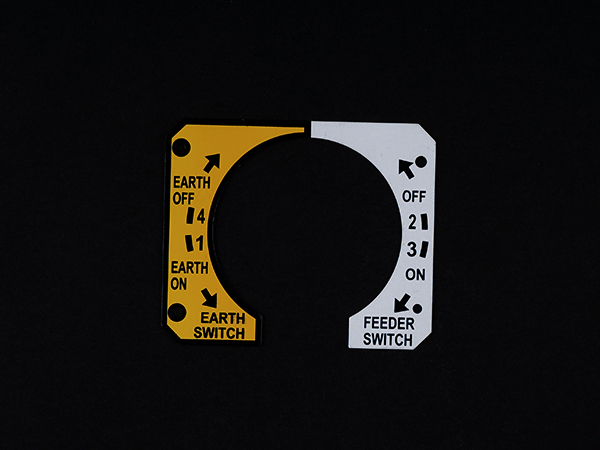 | Metal Labels A Control Panel Nameplate a flat, regularly vertical, region mounted on machine where control or observing instruments information are shown They are... View product → |
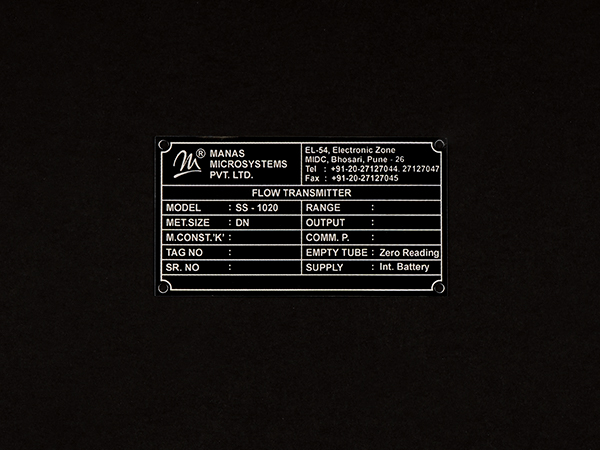 | Metal Labels Machine Specification Nameplate A Machine Specification Nameplate distinguishes and shows an item's name on gadget. View product → |
Frequently asked questions
When should you choose a brass nameplate instead of a control-panel label?
Choose a brass nameplate for durable equipment identity such as the manufacturer, model, serial number, rating or ownership details. Choose a control-panel label for operating instructions at switches, pushbuttons, terminals, gauges, selectors and warning zones.
How do you match a label material to Pune equipment exposure?
Assess moisture, heat, sunlight, chemicals, abrasion and outdoor exposure before selecting the material, adhesive and finish. Choose a construction that remains readable and attached under the equipment’s actual conditions.
What should you check when designing equipment and panel labels?
Check operator sightlines, available panel space, switch and terminal positions, text size, symbols, warning zones and agreement with the electrical drawings and documentation.
How can you prevent label installation and compliance errors?
Confirm the wording, numbering, orientation, mounting location and electrical-document references before production. Approve a physical sample and inspect the delivered labels before sending them to site.
What should you specify when ordering labels from a Pune supplier?
Provide the equipment exposure, label dimensions, material, finish, adhesive or fixing method, artwork, text, symbols, numbering system, quantity and required sample approval process.
Related products
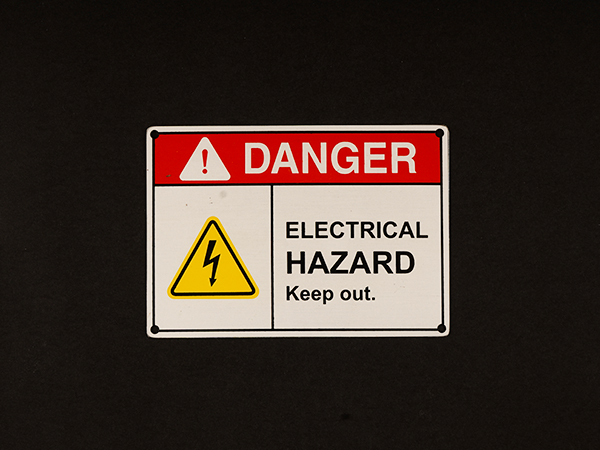
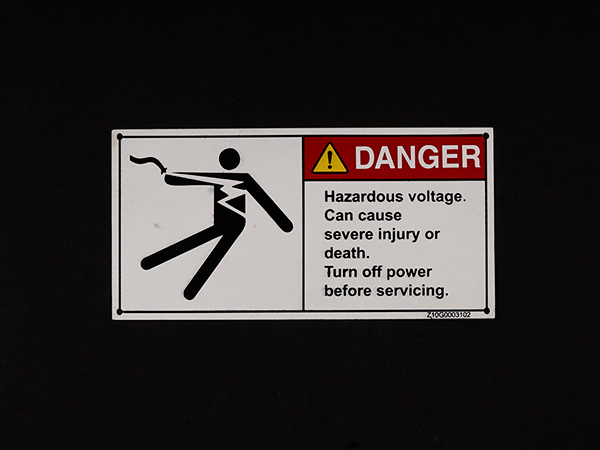 | Metal Labels Safety Nameplates, can view important operational and security information directly on a machine or device. View product → |
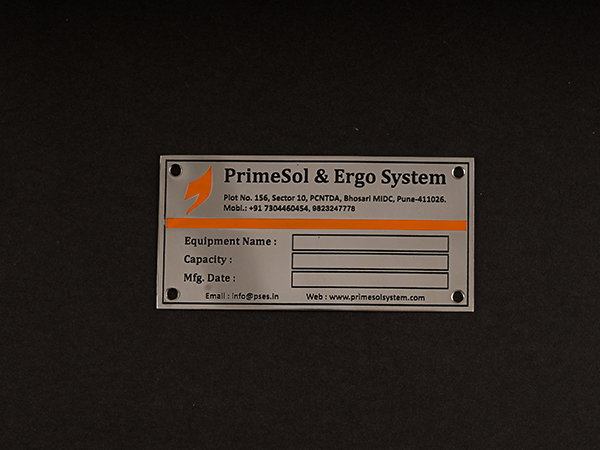
 | Metal Labels Aluminum Nameplates are popularly known for their light weight and capacity to oppose corrosion.Its recognizable gleaming white shine offers... View product → |
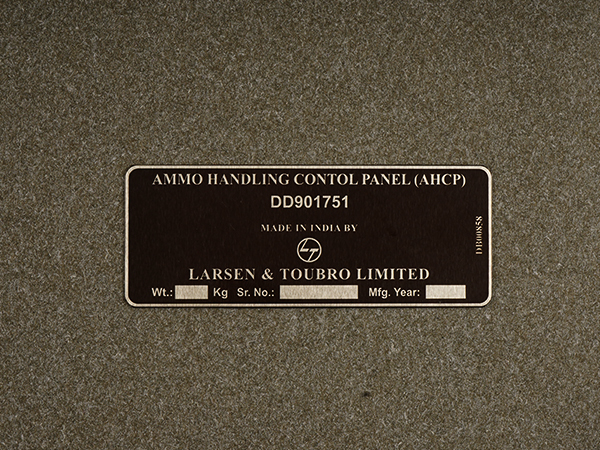
 | Metal Labels In the most testing conditions, particularly overwhelming modern situations, where heat, moisture and erosion are available, Stainless Steel... View product → |
 | Metal Labels Metalphoto Metalphoto is a specific kind of photosensitive anodized aluminum that is used to make durable, high-resolution nameplates, labels and control... |