
A missing equipment label is not automatically a reason to order another stainless steel plate. First classify what the label does, then match its construction, adhesive, print process and installation method to the machine’s actual exposure so the replacement remains readable and traceable.
Key takeaways
- Match the replacement label to the equipment’s heat, chemicals, moisture and abrasion.
- Measure the label area and photograph existing holes, curves, edges and mounting surfaces.
- Verify every copied identifier against machine records before printing the replacement.
- Record the material, adhesive, artwork approval and installation date in the machine history.
Decide What the Missing Label Must Do Before Choosing a Material
An industrial sticker is an acceptable replacement when the label identifies equipment and its polyester or vinyl construction, adhesive and print process match the exposure.
Industrial stickers replacing stainless steel for equipment labels is an exposure decision, not a product-category decision; industrial stickers equipment labels must survive the actual heat, ultraviolet light, rain, washdown, oil, coolant, solvent, abrasion and vibration.
Photograph the damaged label, transcribe its serial number, rating and warnings, then verify them against controlled equipment records before reproducing it. Preserve the replacement revision and inspection history. A label marketed as industrial is not automatically permanent: UL 969 evaluates a marking system for a specified end use, not every label in every environment.
Retain stainless steel or select another permanent marking method when any of these conditions apply:
- The surface is continuously hot, textured, oily or difficult to clean.
- Solvent cleaning, immersion, heavy abrasion or prolonged sunlight will attack the face or adhesive.
- Legibility must last the equipment’s full service life without planned replacement.
- The label carries a required hazard warning, electrical operating instruction or regulatory marking.
- The label would replace a guard, interlock, emergency stop or other safety function. It cannot.
| Material | Strength | Appropriate use |
|---|---|---|
| Stainless steel | Heat, chemicals and abrasion resistance | Long-life outdoor, hot or harsh-service identification |
| Aluminium | Permanent marking with lower weight | Engraved or anodized plates where moderate durability is sufficient |
| Polyester | Flexible, printable and chemically resistant | Indoor or outdoor identification with qualified adhesive and print |
| Polycarbonate | Impact resistance and clear overlays | Interface labels exposed to handling |
| PVC or vinyl | Flexible and economical | Shorter-life indoor labels or curved surfaces with limited exposure |
Inspect and Measure the Equipment Before Ordering a Replacement
Measure the mounting area, not just the missing plate. A sticker can bond reliably only to a smooth, sound, dry surface with no loose paint, rust scale, grease, weld spatter or deep texture.
Check the actual operating temperature at the location, including heat after shutdown, and note exposure to rain, washdown, oil, coolant, solvents, sunlight and abrasion.
- Photograph the location and record its surface: painted steel, bare stainless steel, aluminium, plastic or powder coating. Reject an adhesive label if the substrate is oily, flaking, heavily textured, continuously wet or too hot for the adhesive system.
- Measure the flat usable rectangle with a steel rule or caliper. Record width, height, corner radius, curvature, nearby bolts, seams, hinges and edges. Leave clearance so the label does not bridge a weld, wrap around a sharp bend or cover a fastener.
- Compare the measurement with the old label’s visible footprint and readable text. Do not shrink the replacement until serial numbers, ratings and warnings remain legible from the normal inspection distance.
- Check adhesion with a sample on the same surface, then expose it to the machine’s cleaning method and temperature cycle. Peeling, edge lift or bubbling disqualifies that construction.
- Send the supplier a dimensioned sketch and photographs. For machine identification stickers in Pune, include indoor, outdoor, monsoon, washdown and solvent exposure rather than ordering by location alone.
Rebuild the Original Information Without Creating a New Identification Error
Verify the source before reproducing any missing label: a clean industrial sticker can preserve the wrong identity just as effectively as it preserves the right one. Photograph the damaged label in place, capture its location and surrounding equipment, and transcribe every legible character before removal.
- Match the model number, serial number, asset ID and manufacturer name against the controlled equipment register, purchase file or approved drawing. Do not reconstruct an unclear character from appearance alone.
- Confirm ratings from the machine’s approved data sheet: voltage, current, phase, frequency, pressure, temperature, load capacity, flow rate or other values shown on the original plate.
- Verify warning text, symbols and signal words against the approved safety drawing and the machine’s hazard assessment. A small identification label cannot replace a required warning sign, guard label or regulatory marking.
- Check traceability details such as batch number, build date, calibration date, inspection status, barcode data and revision level. Scan or calculate the barcode before production.
- Resolve conflicts with engineering, quality or maintenance records before printing. Obtain approval for the final artwork and retain its revision, source records, approval date and installer identity.
For equipment labels used in audits or servicing, record why the replacement was issued and link it to the machine’s existing history. Variable data improves replacement accuracy only when each serial, rating and revision has been independently checked.
Compare Face Stock, Adhesive and Printing Against the Actual Exposure
Choose the complete label assembly, not the face material alone. Match the substrate, adhesive, ink or marking method, and expected life to heat, UV, moisture, chemicals, abrasion and cleaning. For industrial stickers replacing stainless steel for equipment labels, adhesive failure is often the first failure.
| Option | Face stock, printing and adhesive implication | Exposure fit |
|---|---|---|
| Stainless steel | Engraving, etching or permanent marking remains readable after adhesive failure; rigid and difficult to remove or reshape. | Hot zones, welding, severe abrasion, immersion, repeated solvent cleaning or full-service-life identification. |
| Aluminium | Lighter and easier to form; anodized or etched marking lasts better than ordinary surface ink. | Moderate heat, outdoor exposure and corrosion risk where impact is limited. |
| Polyester | Flexible, durable face stock; resin thermal-transfer or UV printing improves solvent and abrasion resistance. | Preferred sticker substitute for smooth metal, painted surfaces and equipment exposed to moisture or sunlight. |
| Polycarbonate | Tough, impact-resistant face; reverse printing protects graphics beneath the film. | Control panels and abrasion-prone areas, provided the adhesive suits the surface. |
| PVC | Economical and flexible, but heat and long-term outdoor performance depend heavily on grade and print system. | Indoor or sheltered equipment with moderate exposure. |
| Vinyl | Conforms well to curves; flexible films suit short-to-medium service life but can shrink, lift or weather. | Clean, smooth surfaces with limited heat, abrasion and sunlight. |
Specify the adhesive’s application temperature, service-temperature range and chemical-resistance data for the actual substrate. Textured powder coat, oily metal, low-surface-energy plastic, condensation and dust can defeat a durable face stock.
That is why a stainless steel label replacement in Pune must distinguish an air-conditioned plant from monsoon-exposed equipment or alkaline washdown. Shreeniwas Signs Pvt Ltd can evaluate the face, adhesive and print together rather than treating “waterproof” as sufficient.
Related products
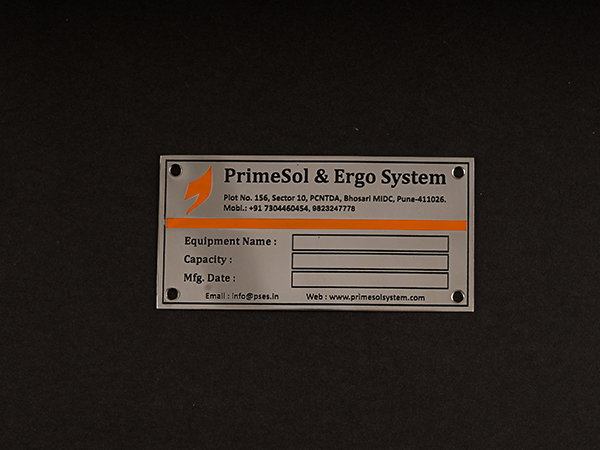 | Metal Labels In the most testing conditions, particularly overwhelming modern situations, where heat, moisture and erosion are available, Stainless Steel... View product → |
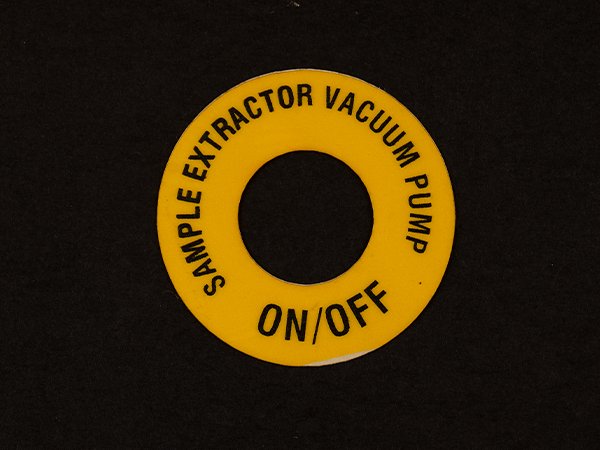 | Plastic Labels PVC & Polycarbonate Stickers are often used in various industries. View product → |
Apply, Verify and Record the Replacement as Part of the Machine History
Treat the replacement as a controlled maintenance task: preserve the machine identity before removing the damaged plate, and do not let a cleaner-looking sticker create a traceability error.
1. Photograph the existing label, transcribe its serial number, rating, warning text and codes, then verify every detail against the asset register, drawings or controlled maintenance records.
2. Remove oil, grease, dust, rust flakes and old adhesive with a substrate-safe cleaner. Let the surface dry completely. Do not apply the label over condensation, textured contamination or loose paint; poor preparation causes edge lift and unreadable data.
3. Confirm that the surface and air temperature fall within the adhesive supplier’s application range. Peel back the liner without touching the adhesive, align the label once, and press from the centre outward with a firm squeegee. Seal the edges and allow the stated cure time before washing or operating the machine.
4. Verify that the identifier, rating and warning remain readable from the normal inspection distance. Scan any QR code, but retain a printed unique identifier because scanners, lighting and databases fail.
5. Record the application date, label revision, material, adhesive, installer and photographs in the machine history. Note the next inspection date and any failed adhesion or legibility check.
For industrial stickers equipment labels, request exposure data for the actual substrate, cleaners, heat, UV and abrasion. Suppliers of machine identification stickers in Pune should receive those conditions, not just the label dimensions.
Frequently asked questions
When can industrial stickers replace stainless steel equipment labels?
Use an industrial sticker when its face stock, adhesive and printing withstand the equipment’s actual heat, chemicals, moisture, abrasion and cleaning process, and when the label’s function does not require a rigid metal plate.
What should you inspect before ordering a replacement equipment label?
Measure the available area, record its shape and surface condition, and photograph curves, edges, mounting holes, fasteners and nearby obstructions before creating the artwork.
How do you prevent errors when rebuilding a missing machine label?
Confirm the equipment number, model, serial number, ratings, warnings and symbols against controlled drawings, asset records and the machine itself before approving production.
What should you compare when specifying a machine identification sticker?
Compare polyester or vinyl face stock, adhesive type, print and protective overlaminate against the operating temperature, chemicals, sunlight, moisture, abrasion and cleaning agents.
How should you document a replacement equipment label?
Record the approved artwork, material and adhesive specification, installation date, installer, equipment location and verification result in the machine history.
Related products
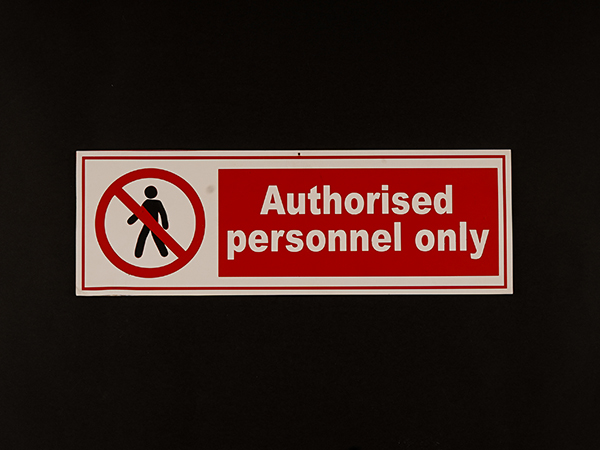 | Plastic Labels Vinyl Decals & Sticker is a kind of plastic that originates from characteristic substances, for example, salt and is viewed as an earth-accommodating... View product → |
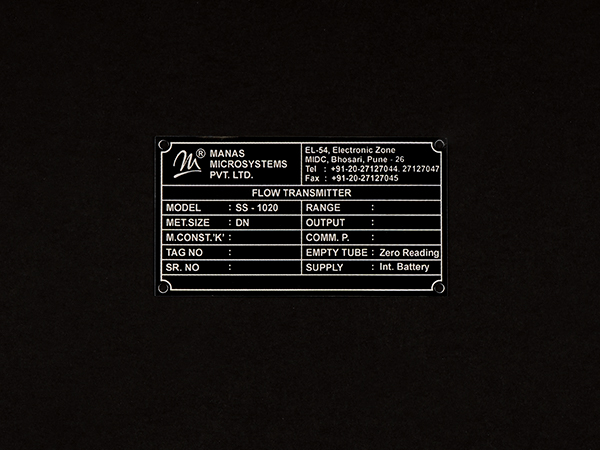 | Metal Labels Machine Specification Nameplate A Machine Specification Nameplate distinguishes and shows an item's name on gadget. View product → |