

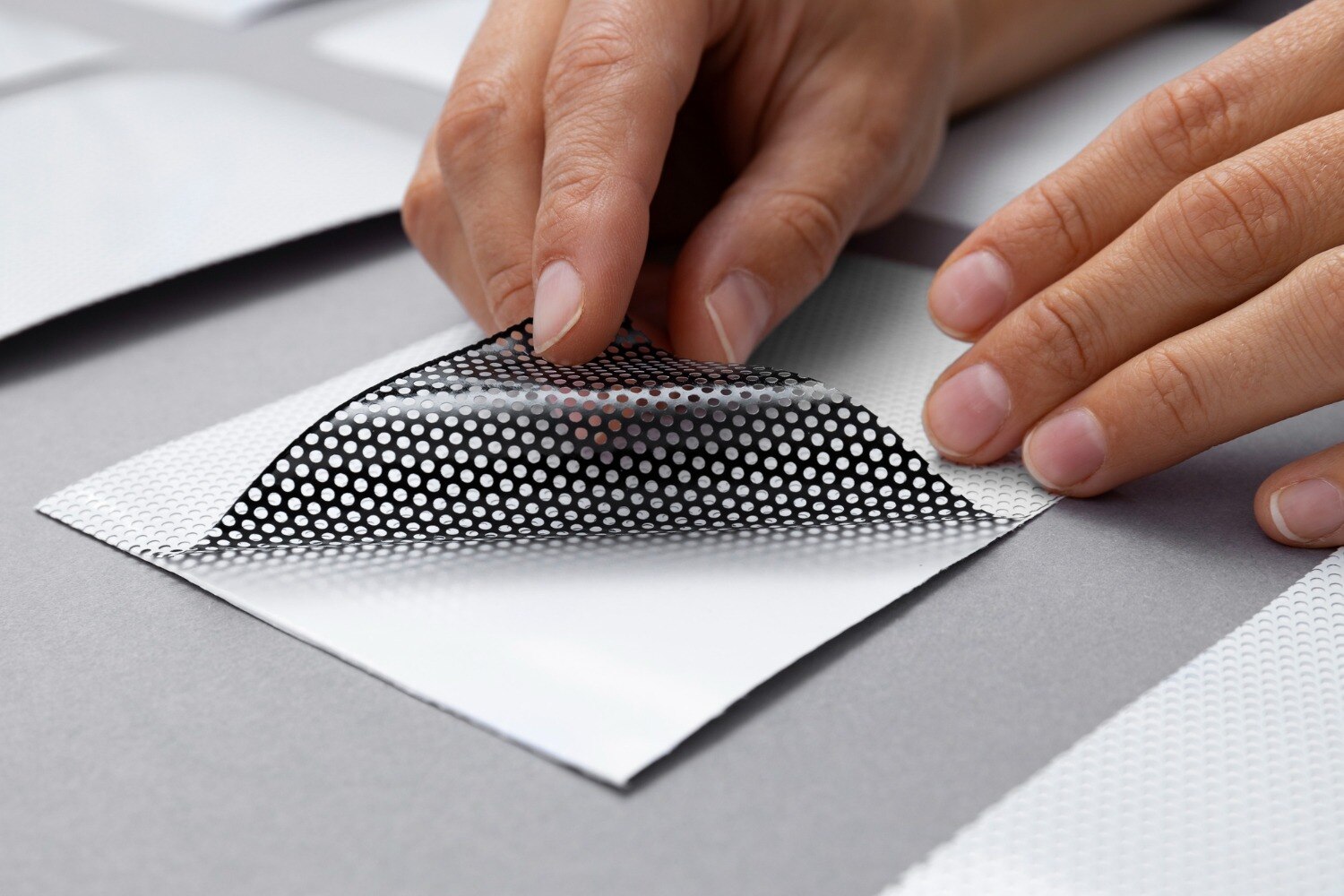
A vehicle exterior decal, an automotive-equipment label and a machine nameplate serve different jobs, face different conditions and need different constructions. By the end, you will be able to map labels to automotive operations, specify materials and tests, approve installation quality and compare suppliers in Bengaluru.
Key takeaways
- Use exterior decals for vehicle instructions, equipment labels for controls, and nameplates for permanent ratings.
- Specify UV, heat, oil and abrasion resistance according to each Bengaluru exposure zone.
- Approve artwork at full size and inspect adhesion, legibility and placement before release.
- Keep approved artwork, material details and replacement quantities in a controlled label register.
What each automotive sticker type is designed to do
A vehicle exterior sticker promotes, identifies or instructs on the vehicle; an automotive-equipment label controls and identifies a component; a machine nameplate records permanent identity and ratings. Their purpose, mounting location and construction are different.
| Type | Purpose | Typical location | Construction |
|---|---|---|---|
| Vehicle exterior sticker | Fleet identity, branding, regulatory markings, service instructions or warnings | Painted bodywork, windows, bumpers and service-vehicle panels | Flexible film with UV-resistant ink, weatherproof overlaminate and adhesive matched to paint, glass or plastic; it must resist monsoon rain, road dust, washing and occasional pressure-washer contact |
| Automotive-equipment label | Identifies a part, gives operating instructions or warns about hazards | Dashboards, control panels, fuse boxes, engine bays, battery compartments, lifts and workshop equipment | Chemical- and abrasion-resistant face stock, ink, adhesive and laminate selected for heat, oil, fuel, coolant, detergents or textured surfaces |
| Machine nameplate | Provides a durable asset ID, serial number, model, capacity and rating | Chassis, frames, machinery housings, control cabinets and fixed equipment | Rigid metal or high-performance laminate, engraved or permanently printed, secured with rivets, screws or a durable adhesive |
Industrial stickers for automotive businesses in Bengaluru need a complete label system, not merely “vinyl sticker.” Face stock, ink or toner, adhesive, protective layer, surface preparation and application temperature determine service life.
Use a human-readable asset ID beside a machine-readable code on equipment labels. A QR code without a controlled database, revision rule and physical fallback identifier will not preserve traceability after relocation or label damage.
Which labels automotive businesses actually need
A useful label plan covers four jobs: identify the asset, warn about hazards, explain operation, and preserve traceability after servicing or relocation.
| Business | Identification and traceability labels | Safety and operating labels |
|---|---|---|
| Garages | Bay, lift, compressor, tool and customer-vehicle IDs; service-date and inspection labels | Lifting-point warnings, load capacity, tyre pressure, fluid identification and fuse-box legends |
| Dealerships | VIN or chassis references, stock IDs, PDI status and service reminders | Tyre-pressure instructions, charging guidance and delivery-condition warnings |
| Body shops | Repair-order IDs, parts batch numbers and paint-system references | Airbag, welding, lifting, chemical and curing-equipment warnings |
| Fleet operators | Vehicle IDs, fleet numbers, inspection dates and QR-linked maintenance records | Payload, tyre pressure, emergency isolation and driver operating instructions |
| EV service centres | Battery-pack serials, vehicle IDs and service-history codes | High-voltage warnings, battery isolation steps, charging instructions and restricted-access signs |
| Parts makers | Part number, revision, batch or lot number and date code | Torque, orientation, capacity, material and handling instructions |
| Wash stations | Pump, bay, chemical-container and equipment asset IDs | Chemical dilution, pressure, electrical and wet-floor warnings |
Treat automotive equipment labels with QR codes, Data Matrix codes or barcodes as controlled records, not decoration. Pair every code with a readable ID and database owner; verify print quality against ISO/IEC 15415 or ISO/IEC 15416, because a phone scan does not prove production reliability.
Use ANSI Z535.4 principles for hazard labels, including a clear signal word and safety message. Keep instructions readable in the workforce’s required languages rather than shrinking several translations onto one label.
How to specify materials for Bengaluru exposure zones
Start with the exposure zone, not the word “vinyl.” A complete specification names the face stock, adhesive, ink, laminate, surface preparation and application temperature.
| Zone | Face and adhesive specification | Ink, laminate and tests |
|---|---|---|
| Painted bodywork | Cast automotive vinyl for curves; permanent acrylic adhesive after fully cured paint | UV-resistant solvent or UV ink with clear automotive laminate; test UV, rain, dust, washing, edge lift and 180-degree peel |
| Glass | Polyester film or removable vinyl; choose optically clear adhesive for windows | UV-stable ink and non-yellowing laminate; check visibility, residue, defrosting heat and wet adhesion |
| Dashboard and textured plastic | Conformable vinyl or polyester; use low-surface-energy adhesive or primer on textured plastics | Abrasion-resistant ink and matte laminate to control glare; test scuffing, heat and repeated cleaning |
| Engine bay | Heat-resistant polyester, polyimide or anodised aluminium | Chemical-resistant ink and laminate; test oil, fuel, coolant, detergent, abrasion and temperature cycling |
| Battery compartment | Polyester or polyimide with chemical-resistant adhesive | High-contrast, solvent-resistant print; test electrolyte exposure, heat, vibration and insulation clearance |
| Chassis | Thick polyester, aluminium or cast vinyl with aggressive adhesive | Heavy-duty laminate; test mud, gravel impact, corrosion, water immersion and pressure washing |
| Wash-down area | Polyester or synthetic film with sealed edges | Waterproof ink and chemical-resistant laminate; test detergent, pressure-washer distance and adhesion after drying |
For conspicuity, industrial vehicle stickers are not automatically approved retro-reflective markings. Check UNECE Regulation No. 104 when the vehicle falls within its scope; decorative reflective film is not a substitute. Ask for test records such as ISO 4892-3 UV exposure and ASTM D3359 adhesion, matched to the actual substrate and cleaning chemicals.
How artwork, application and inspection prevent label failure
Artwork prevents failure before printing: lock the approved colour, wording, dimensions, numbering format and placement in a controlled file. For safety labels, use the correct signal word and safety-message layout under ANSI Z535.4; do not use that standard as a substitute for an asset or inventory label.
- Preserve each QR, Data Matrix or linear barcode’s quiet zone, module size, contrast and flat print area. Use ISO/IEC 15415 for two-dimensional codes and ISO/IEC 15416 for linear barcodes; a phone scan alone does not prove production quality.
- Clean the substrate with a compatible solvent, remove wax, silicone, oil, grease and dust, and let moisture evaporate. Remove incompletely cured paint before application.
- Apply within the adhesive’s specified temperature range, using firm squeegee pressure from the centre outward. Do not stretch the film, trap air or bridge sharp edges.
- Use primer or substrate-specific adhesive on textured or low-surface-energy plastics, where the adhesive manufacturer calls for it.
Inspect applied samples, not only the printed sheet. Check colour and text against approved artwork, dimensions, position, edge adhesion and the specified reading distance. Verify every barcode or QR code with a production verifier, confirm the correct serial or asset number, and reject labels with lifted corners, bubbles, contamination or unreadable characters.
A UL 969 claim applies only when the exact label construction and application are covered.
How to compare suppliers and manage replacement labels
Request a landed-cost quote at 100, 500 and 1,000 pieces, with minimum order quantity, tooling, artwork changes, delivery time and reprint charges shown separately. A low unit price becomes expensive when a missing label stops a vehicle, lift or charging bay.
| Supplier comparison | Ask for | Why it matters |
|---|---|---|
| Material and exposure | Face film, adhesive, ink, laminate, UV, rain, wash and pressure-washer test evidence | Prevents fading and edge-lift on exposed fleets |
| Replacement control | Approved artwork file, revision number, colour reference, dimensions, substrate and batch record | Makes later labels match the original |
| Production quality | Applied samples on your actual painted metal, glass, textured plastic or panel | Printed-sheet inspection misses installation failures |
| Code performance | Barcode or QR verification report, including ISO/IEC 15415 or ISO/IEC 15416 grading where applicable | A phone scan alone does not prove production reliability |
For mixed fleets, standardise asset IDs, warning symbols, colour references and label dimensions. Keep hazard instructions in the workforce languages; do not compress several translations until text becomes unreadable.
Use this purchase checklist:
- Request numbered proofs showing placement, language, quiet zones and minimum text height.
- Require a retained sample and replacement record for every part number.
- Inspect applied labels for colour, legibility at the specified distance, barcode readability, dimensions, edge adhesion, numbering, cleanliness and placement.
- Ask whether any UL 969 claim covers the exact finished construction, not merely the raw material.
Shreeniwas Signs Pvt Ltd can be evaluated on this evidence when comparing industrial stickers automotive in Bengaluru, rather than on a catalogue image alone.
Related products
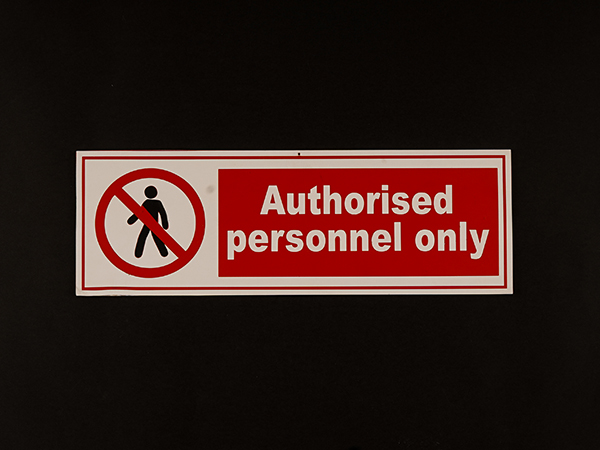 | Plastic Labels Vinyl Decals & Sticker is a kind of plastic that originates from characteristic substances, for example, salt and is viewed as an earth-accommodating... View product → |
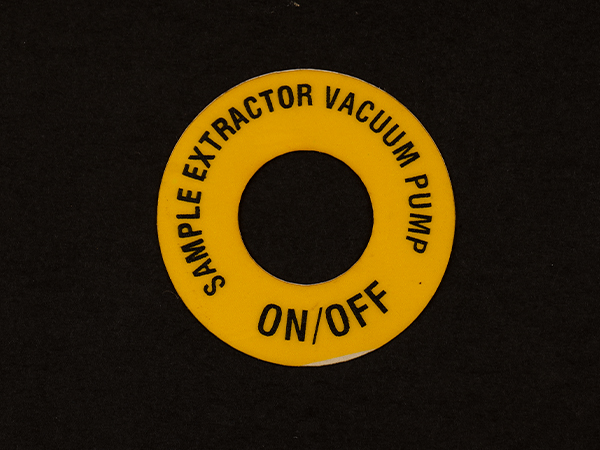 | Plastic Labels PVC & Polycarbonate Stickers are often used in various industries. View product → |
Frequently asked questions
What is the difference between vehicle stickers, equipment labels and machine nameplates?
Vehicle stickers promote, identify or instruct on the vehicle; equipment labels identify and control components; machine nameplates record permanent identity and ratings.
Which labels do automotive businesses actually need?
Most operations need vehicle graphics, safety and operating labels, equipment identification labels, rating plates, serial labels and service or inspection markings.
How should you specify automotive sticker materials for Bengaluru?
Match the face material, adhesive, ink and protective finish to exposure such as sunlight, rain, engine heat, oils, cleaning chemicals and abrasion.
How can you prevent automotive labels from failing?
Check artwork at production size, clean and prepare the application surface, apply within the specified conditions, and inspect adhesion, position and readability.
How should you compare suppliers and manage replacement labels?
Compare material and adhesive specifications, print durability, colour control, tolerances, proofs, delivery reliability and documented replacement artwork.
Related products
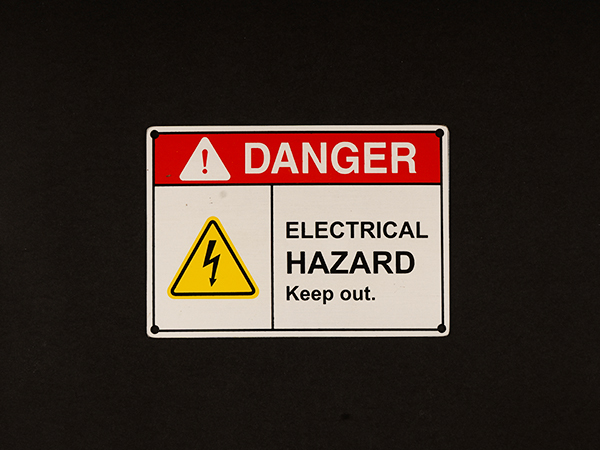
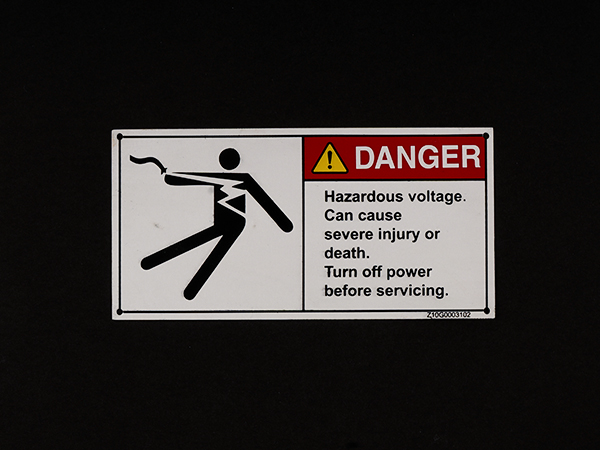 | Metal Labels Safety Nameplates, can view important operational and security information directly on a machine or device. View product → |
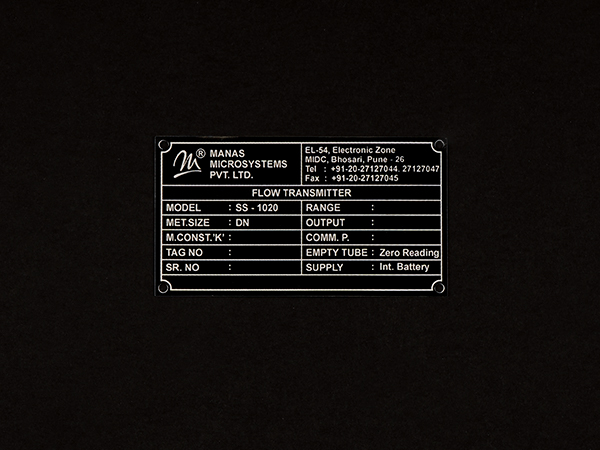 | Metal Labels Machine Specification Nameplate A Machine Specification Nameplate distinguishes and shows an item's name on gadget. View product → |
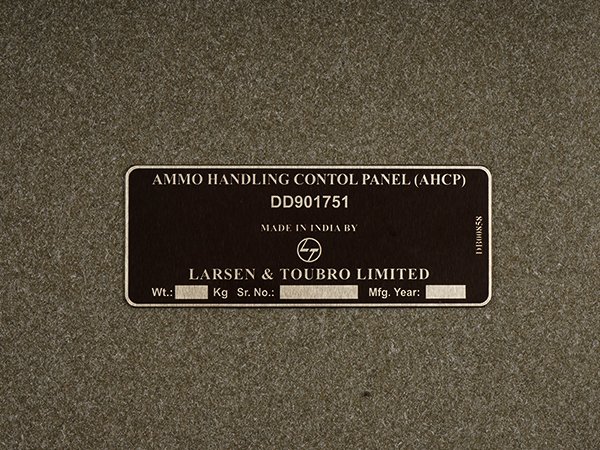
 | Metal Labels Aluminum Nameplates are popularly known for their light weight and capacity to oppose corrosion.Its recognizable gleaming white shine offers... View product → |
 | Metal Labels Metalphoto Metalphoto is a specific kind of photosensitive anodized aluminum that is used to make durable, high-resolution nameplates, labels and control... |