

The right plate depends on more than whether brass or stainless steel looks better in a sample. You need to match the alloy, finish, marking method and fixing system to Bengaluru’s moisture, dust, sunlight, cleaning routines and the visual identity you want to preserve. By the end, you can choose a material and write a specification that controls maintenance, legibility and premature failure.
Key takeaways
- Choose brass for warmth and character; choose stainless steel for stable, low-maintenance appearance.
- Use 304 stainless steel for most Bengaluru interiors and sheltered outdoor signs.
- Specify alloy grade, finish, thickness, lettering method, adhesive and mounting hardware.
- Match the material to exposure, cleaning routines, brand identity and expected service life.
Brass and stainless steel: what changes in real use?
Brass gives a warmer, traditional identity; stainless steel looks cleaner and stays visually stable with less attention. For metal nameplates for businesses, the better choice depends on whether you value character or predictable service conditions.
| Material | Appearance and ageing | Corrosion, scratches and upkeep | Weight and likely fabrication cost |
|---|---|---|---|
| Brass | Gold-toned; polished brass darkens, while antique brass is designed to patinate | Tarnishes in Bengaluru’s moisture and pollution; lacquer delays change but scratches and damaged edges expose uneven colour. Needs polishing or controlled patination | About 6% heavier than stainless at the same size; polishing, coating and tighter colour control can make it costlier |
| Stainless steel | Silver-toned; brushed finishes hide handling marks better than mirror polish | Resists humidity, cleaning and outdoor exposure when the grade and finish suit the site. Iron dust can cause rust staining. Usually needs washing, not polishing | Slightly lighter; plain etched or engraved work is often more economical, while heavy thickness, folded edges or decorative finishes raise cost |
This stainless steel nameplates comparison changes if the plate is thin. A 0.5 mm decorative plate can dent and ripple, while 1.5 mm stainless steel gives a more rigid plaque and better screw-holding. Specify thickness, marking method, edge treatment and mounting instead of buying on the word “stainless.”
Brass is the wrong choice when frequent cleaning must leave an unchanged appearance. Stainless steel is the safer default for washdown areas, but isolate either metal from aluminium or carbon steel with suitable washers, sealant and drainage; trapped moisture at a fastener can produce galvanic corrosion even when the plate itself is sound.
Which grade and finish suits Bengaluru conditions?
The choice for brass nameplates in Bengaluru depends on whether you accept controlled patina or need a stable appearance. Monsoon humidity, dust, pollution and sheltered dampness accelerate tarnishing, while washdown, oils and solvents can attack protective coatings. Do not specify one finish for a lobby plate and an exposed gate plate.
| Option | Suitable conditions | Main caution |
|---|---|---|
| 304 stainless steel | Indoor signs, machinery, panels and many outdoor locations; tolerates humidity, dust, sunlight and routine detergent washdown | Specify 316 when chlorides or aggressive chemicals are present |
| 316 stainless steel | Coastal or salt-contaminated air, chlorinated cleaning chemicals and frequent wet cleaning | Reduces pitting risk but does not prevent staining; rinse chemical residue |
| Solid brass | Reception areas, heritage settings and sheltered signs where warm colour and ageing are desirable | Outdoor use needs lacquer or clear coating, protected fixings and scheduled maintenance |
| Brass-plated stock | Dry indoor decorative plates with limited handling and low cleaning demand | Avoid exposed façades, washdown, oils and solvents; worn plating reveals the base metal |
For brass nameplates versus stainless steel in Bengaluru, choose stainless when legibility and low visual maintenance matter more than warmth. Choose solid brass when brand character justifies polishing or deliberate patination. A lacquer preserves polished brass temporarily, but scratches, UV exposure and moisture at fixings create conspicuous patches; solvents can strip it.
State the grade, thickness, finish, marking method, protective coating and fixing system in the purchase specification. Stainless usually suits frequent cleaning better, while brass nameplates in Bengaluru need a defined maintenance interval rather than an assumption of permanence.
Which material fits your sign’s location and purpose?
Choose stainless steel for stable appearance, frequent cleaning and high-touch use; choose brass when warmth, heritage character or deliberate ageing matters more than low maintenance.
| Location | Recommended material | Why |
|---|---|---|
| Reception and office doors | Brass or satin stainless steel | Brass adds warmth; satin stainless avoids glare and fingerprints where doors are handled often. |
| Building façades | Stainless steel | 304 suits ordinary exposure; specify 316 for coastal air, chlorides or harsh washdown. |
| Machinery and electrical panels | Stainless steel | It handles handling, oil and cleaning better; isolate the plate from aluminium or carbon steel. |
| Factory assets | Stainless steel | Use a rigid plate with durable marking for repeated cleaning, impact and identification at a distance. |
| Vehicles | Satin stainless steel | A non-mirror finish reduces reflected glare; secure it against vibration and water entry. |
| Memorials and heritage signs | Solid brass | Its colour and patina support traditional character; schedule polishing or allow controlled ageing. |
| High-touch areas | Satin or bead-blasted stainless steel | It hides fingerprints better than polished metal and remains easier to clean. |
For metal nameplates for businesses, contrast and viewing distance matter more than a premium shine. Dark marking on a satin background usually reads better than polished brass or mirror stainless at an entrance or beside a vehicle.
The useful stainless steel nameplates comparison must include thickness, marking method, edge treatment and fixing—not just “stainless.” Use washers, sealant and electrical isolation at wet fastener joints; otherwise galvanic corrosion can attack the plate or its mounting even when the visible face looks sound.
What should your purchase specification control?
A purchase order that says “metal nameplate, stainless steel or brass” leaves the expensive decisions unresolved. A useful stainless steel nameplates comparison must state the grade, thickness, finish, marking method and mounting details; otherwise 0.5 mm decorative stock, 1.5 mm rigid stock and a folded plate may arrive as supposedly identical items.
| Control | Specify | Failure prevented |
|---|---|---|
| Alloy | 304 or 316 stainless steel; solid brass or brass-plated stock | Mismatched corrosion resistance and premature wear |
| Thickness | Exact millimetres, with tolerance | Dents, bending and poor screw retention |
| Finish | Brushed or mirror stainless; polished, brushed, antiqued or lacquered brass; grain direction | Fingerprints, visible scratches and mismatched plates |
| Marking | Engraving or etched characters with infill for abrasion; laser settings and colour for lighter service | Unreadable lettering after cleaning |
| Edges | Deburred, radiused or folded edges | Cuts, lifted corners and damaged coatings |
| Fixing | Screw size, hole pattern, washer type, adhesive grade and cure time | Detached or twisted plates |
| Isolation | Non-conductive washers, sealant and separation from aluminium or carbon steel | Galvanic corrosion around wet fixings |
| Protection | Lacquer or other coating, if specified, plus repair limits | Tarnished brass and inconsistent ageing |
For brass nameplates versus stainless steel in Bengaluru, record whether the site faces monsoon moisture, washdown, oils, solvents, dust or sunlight. Accept the order against a signed sample: check alloy documentation, dimensions, grain direction, colour, edge quality, character legibility, hole positions, adhesion and resistance to the stated cleaning and abrasion test.
Reject any plate that fails one criterion.
How do you balance identity, maintenance and service life?
Choose brass when its warmer identity justifies scheduled polishing or a deliberate, controlled patina; choose stainless steel when stable appearance, frequent cleaning and low visual maintenance matter more.
For brass nameplates in Bengaluru, an indoor lobby can support planned polishing, while a dusty, rain-exposed gate or façade needs either a durable clear coat with inspections or acceptance of uniform ageing.
Polished brass, satin brass and antique brass create different maintenance obligations. A lacquer can preserve colour, but scratches, damaged edges, ultraviolet exposure and moisture around fixings can leave conspicuous patches. Controlled patination avoids that contrast: specify the target tone, sample approval and a cleaning method that does not strip the finish.
Stainless steel is the lower-maintenance choice for sites with daily wiping, factory washdown, fingerprints or inconsistent caretaker routines. Specify a satin or bead-blasted face where glare could reduce legibility; mirror surfaces look premium but can become unreadable at an entrance or vehicle angle.
Ask a Bengaluru manufacturer such as Shreeniwas Signs Pvt Ltd to turn the choice into one controlled master specification for every site:
- State solid brass or the exact stainless grade, thickness, finish and marking method.
- Record the colour sample, protective coating, cleaning interval and acceptance limits for tarnish or scratches.
- Standardise artwork, character height, contrast, edge treatment, adhesive, fasteners and isolation from dissimilar metals.
- Approve one physical sample before repeating metal nameplates for businesses across branches.
That document prevents one location from receiving polished brass, another lacquered brass and a third mirror stainless under the same brand identity.
Related product
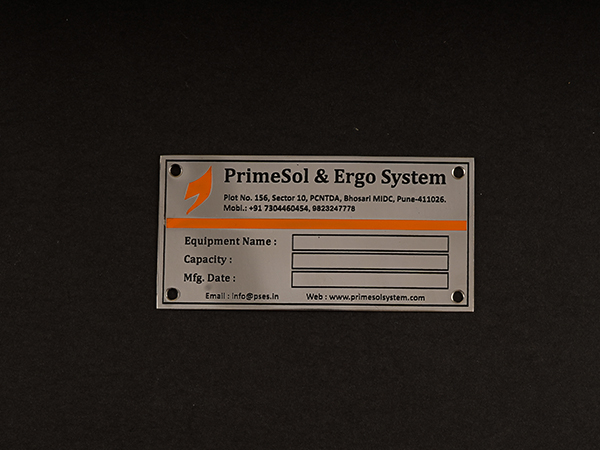 | Metal Labels In the most testing conditions, particularly overwhelming modern situations, where heat, moisture and erosion are available, Stainless Steel... View product → |
Frequently asked questions
How do brass and stainless steel differ in real business use?
Brass creates a warmer, traditional appearance but develops patina and needs more upkeep. Stainless steel looks cleaner and retains its appearance with less attention.
Which stainless steel grade suits Bengaluru conditions?
Grade 304 suits most indoor and sheltered outdoor business signs. Choose 316 when the sign faces heavy pollution, salt exposure or demanding wet conditions.
What should you specify when ordering a metal nameplate?
Control the alloy grade, thickness, surface finish, lettering method, dimensions, adhesive, mounting hardware and installation location.
How do you choose between brass and stainless steel for a sign location?
Use the exposure and purpose as the first test: choose stainless steel for predictable performance outdoors, and brass when identity and patina matter more.