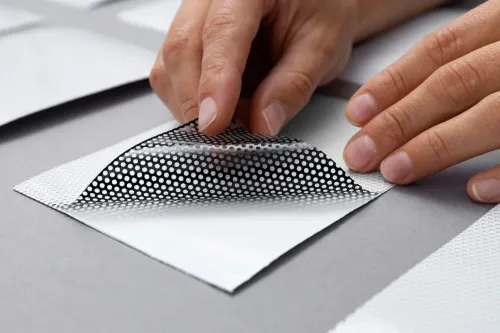

A damaged machine plate is an identity, safety and traceability problem, not just a cosmetic defect. You will be able to preserve the original data, specify a replacement that fits, choose the right marking and fixing method, and approve it quickly without creating a new equipment record error.
Key takeaways
- Photograph every marking before removing the damaged plate.
- Measure hole spacing, plate size and fixing access before ordering.
- Match the marking method and aluminium finish to the machine environment.
- Send artwork, dimensions, quantity and delivery deadline in one quotation brief.
Preserve the machine data before removing the damaged plate
Copy the plate before touching its fixings. To replace damaged aluminium nameplates for machinery in Pune, treat the plate as a controlled identity and safety record, not a cosmetic part.
- Isolate the machine and photograph the plate straight on, with the full plate visible and the asset number in the same record. Take close-ups of faded text, warning symbols, compliance marks, corrosion, fixing holes and any serial number.
- Transcribe every character exactly: manufacturer, model, serial number, manufacture date, rated voltage, current, power, frequency, phase, weight, pressure, speed, warning text and certification marks. Record whether each item is clear, damaged or uncertain.
- Measure plate length, width, thickness, corner radius, hole diameter, hole spacing and slot positions. Photograph the mounting surface, including bent metal, loose rivets, adhesive residue and corrosion around holes; a photograph alone cannot provide reliable scale.
- Record the machine asset number and compare the plate with the electrical drawings, purchase documents, OEM manual, panel labels and asset register. If the plate is missing or illegible, do not guess a voltage, serial number or compliance mark.
- Send the photographs, measurements and transcription for customer approval against the machine records before removal. Preserve the original plate until the approved artwork is matched to it, or document its condition thoroughly if removal is urgent.
Check fit, fixing and safe installation before ordering
A photograph cannot prove scale: lens perspective can make a plate look wider or shift hole positions. Measure the machine and mounting surface directly, then request a 1:1 proof before production.
1. Isolate the machine and photograph the plate straight on. Add close-ups of each fixing hole, slot, bent edge, corrosion, cable, guard and nearby obstruction.
2. Record the plate’s length, width, thickness, corner radius, hole diameter, hole-to-hole spacing and distance from each edge. Measure from fixed machine features, not from a distorted image.
3. Check the substrate around every fixing point. A new rivet or screw will not hold securely in thin, cracked or corroded metal; move the fixing only after confirming that the new position does not weaken the panel or contact wiring.
4. Ask for artwork showing the actual text height, symbols, hole locations, corner radius, adhesive area and fastener positions. Compare it with a 1:1 print or dimensional drawing on the machine before approving it.
5. Confirm the fixing method against the installation site. Use screws or rivets where vibration, heat, oil or washdown could defeat adhesive; use an industrial adhesive only on a clean, flat, dry surface with enough bonding area.
6. Isolate electrical, pneumatic and hydraulic energy before removing or fitting the plate. Keep the replacement clear of moving parts, hot surfaces, guards, hinges, hoses and emergency controls.
Freeze the approved dimensions and artwork together. This prevents the rework that slows machine nameplate repair in Pune and gives the supplier a safe, buildable specification.
Match the marking and material to the machine environment
Choose the marking, metal and fixing as one system: a sharp mark on the wrong surface will still disappear in service. For aluminium nameplates replacement in pune, request a production proof made with the proposed alloy, finish, marking process and attachment method, not a paper artwork alone.
| Option | Marking and substrate | Attachment and suitable environment |
|---|---|---|
| Laser marking on anodized aluminium | Removes the anodized layer for contrast; specify required contrast and confirm resistance to sunlight, oil and cleaning chemicals | Industrial adhesive for smooth, low-vibration panels |
| Chemically etched, paint-filled aluminium | Recessed characters retain paint after surface wear; add a clear protective finish for outdoor exposure | Rivets or screws for vibration, frequent handling or long service |
| Screen-printed aluminium | Fast for large warning graphics, but ink and overlaminate determine solvent and abrasion resistance | Adhesive or fasteners on clean, protected surfaces; reject it if the proof fails the exposure test |
| Stainless-steel plate | Use when heat, solvents or severe abrasion exceed the aluminium finish’s capability; confirm the required temperature range | Screws or rivets; drilling can damage wiring, guards or corrosion protection |
Do not accept “laser engraving” as a complete specification. Ask the supplier to state whether the laser removes coating, changes an anodized layer or creates only a surface mark. Compare thickness, protective coating, adhesive grade and fastener material, then approve the proof against the machine record before production.
Reuse existing holes where safe; approve any new drilling location first.
Send a complete urgent quotation brief to a Pune supplier
A fast quote starts with a frozen identity record, not a photograph alone. Send the machine model, serial number, manufacturer, ratings, warning text and certification marks exactly as they appear in the machine records, then ask for artwork approval before production. This prevents a quick replacement from carrying a dangerous transcription error.
- Plate length, width, thickness, corner radius and substrate condition
- Hole or slot diameter, centre-to-centre spacing, edge distances and fixing method
- Straight-on photograph, close-ups of damaged areas, holes and the mounting surface
- Complete text, symbols, serial number, quantity and required delivery date
- Aluminium grade or finish, marking process, contrast requirement and exposure conditions
- Adhesive grade or rivet specification, surface preparation and packing requirements
- Barcode, QR code or Data Matrix artwork with quiet zone and required scan result
Do not write “laser engraving” as the entire specification. Ask the industrial nameplate supplier in Pune to state whether the laser removes a coating, marks anodised aluminium or creates a surface mark, and to confirm expected resistance to abrasion, chemicals, heat and outdoor exposure.
Request a production proof or sample using the proposed aluminium, finish, marking process and attachment method. Require a finished-plate scan test for any code, because glare and abrasion can defeat a code that scans on a screen.
Shreeniwas Signs Pvt Ltd can be included in your comparison, but compare thickness, overlaminate, artwork setup, inspection and packing alongside the per-piece price.
Related products
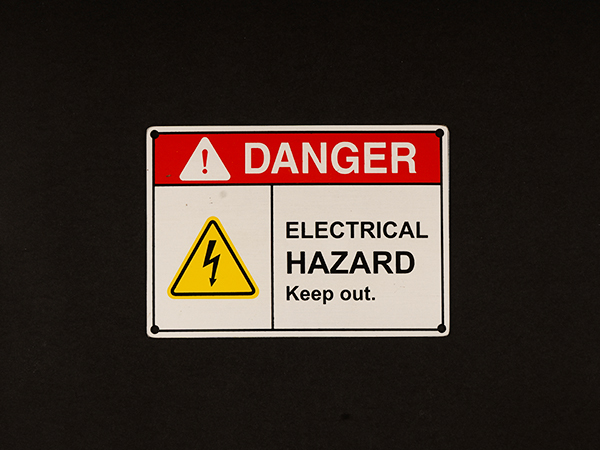 | Metal Labels Aluminum Nameplates are popularly known for their light weight and capacity to oppose corrosion.Its recognizable gleaming white shine offers... View product → |
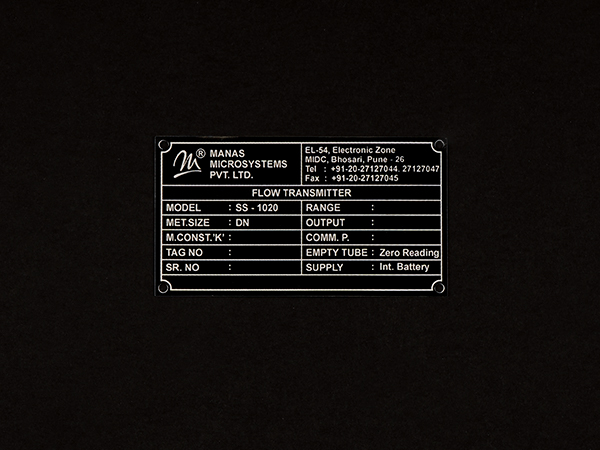 | Metal Labels Machine Specification Nameplate A Machine Specification Nameplate distinguishes and shows an item's name on gadget. View product → |
Approve, inspect and maintain the replacement plate
Approve the production proof against the machine record before release. Check the model, serial number, manufacturer, voltage, current, power, frequency, phase, weight, manufacture date, warning text and certification marks character by character.
If you replace damaged aluminium nameplates for machinery in Pune, do not approve a visually similar plate with an unverified rating or serial number.
Inspect the finished plate before installation. Confirm length, width, thickness, corner radius, hole spacing, flatness, clean edges and the specified marking contrast. Test every barcode, QR code or Data Matrix on the actual plate using the intended scanner; glare and abrasion can defeat a code that worked on the computer proof.
Check that adhesive, rivets or screws match the approved fixing method and do not cover text.
After installation, photograph the plate in place and record its location against the asset number. Keep it readable with a soft cloth and a mild, non-abrasive cleaner; avoid steel wool, solvents that attack the finish and high-pressure spray aimed at the edges.
During planned inspections, look for lifting corners, loose fasteners, corrosion, fading, scratches and blocked code quiet zones.
For aluminium nameplates replacement in Pune, retain the approved artwork, inspection record and installation photograph with the machine file. Replace the plate when critical text becomes unreadable rather than guessing from a damaged original.
Frequently asked questions
What should you record before removing a damaged aluminium nameplate?
Photograph the full plate and close-ups of the model, serial number, ratings, warnings, symbols and fixing points. Transcribe unclear characters and record the machine location.
What must you check before ordering a replacement machine nameplate?
Confirm the plate length, width, thickness, corner radius, hole spacing, hole diameter, adhesive area, fastener access and the surface condition where it will be installed.
How do you choose the right aluminium nameplate for a machine environment?
Match the marking, protective finish and fixing method to heat, oil, solvents, abrasion, outdoor exposure, cleaning chemicals and vibration at the installation site.
What should an urgent quotation brief include for a Pune supplier?
Include the drawing or approved artwork, dimensions, material and thickness, marking details, finish, fixing method, quantity, photographs, delivery location and required date.
How should you inspect and maintain a replacement aluminium nameplate?
Check text, symbols, dimensions, holes, finish and adhesion against the approved artwork before installation. Clean with a compatible detergent and inspect the plate during machine servicing.
Related products
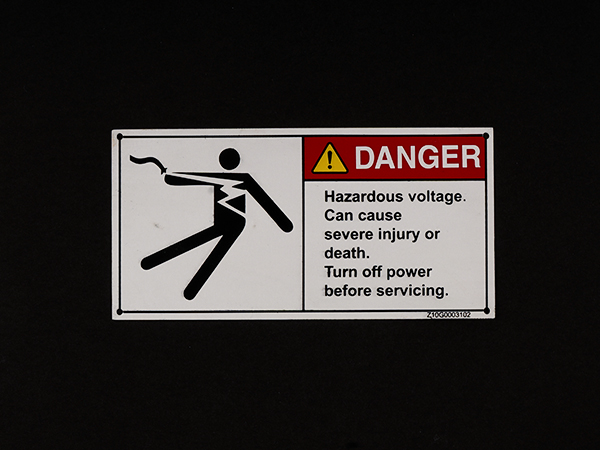 | Metal Labels Safety Nameplates, can view important operational and security information directly on a machine or device. View product → |
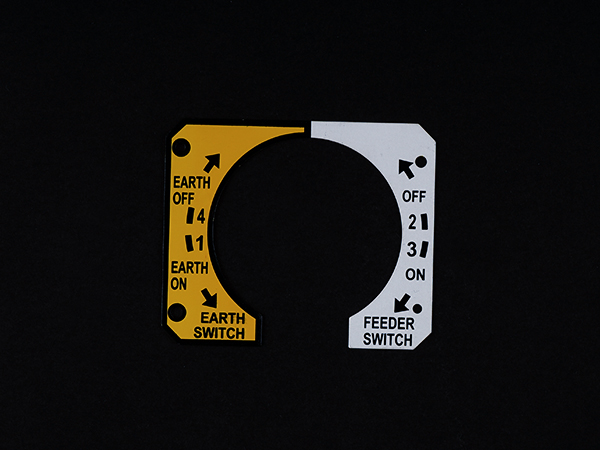 | Metal Labels A Control Panel Nameplate a flat, regularly vertical, region mounted on machine where control or observing instruments information are shown They are... View product → |
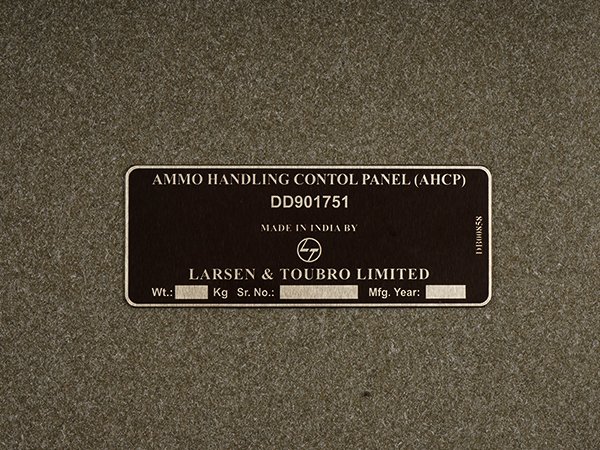 | Metal Labels Metalphoto Metalphoto is a specific kind of photosensitive anodized aluminum that is used to make durable, high-resolution nameplates, labels and control... |
 | Metal Labels In the most testing conditions, particularly overwhelming modern situations, where heat, moisture and erosion are available, Stainless Steel... View product → |