

A hotel branding project can involve new moulded plastic components, installed walls, glass, lift panels, doors and outdoor signs, so one branding method will not suit every location. By comparing substrates, production effort, durability and replacement needs, you can assign each hotel application the method that fits its surface and service conditions.
Key takeaways
- Use IMD for repeatable moulded parts exposed to frequent contact.
- Choose vinyl decals for walls, glass, vehicles and changing campaigns.
- Compare tooling cost against quantity, installation time and future artwork changes.
- Qualify suppliers by requesting samples, cleaning tests and colour-control records.
What changes when a hotel uses in-mold decoration instead of a decal?
In-mold decoration changes branding from an installation job into a moulded-part manufacturing process. A printed film is formed or positioned inside a mould before polymer is injected, leaving the graphic beneath or within the finished plastic surface. The result is a repeatable moulded component, not a film applied to an existing sign.
The choice between in mold decoration for property branding and vinyl decals depends on the substrate and production volume.
| Option | What it means | When it applies |
|---|---|---|
| IMD | Printed, formed film integrated during moulding | Repeated plastic parts such as room-control bezels, amenity panels, key-card housings and dispenser covers |
| Vinyl decal | Cut or digitally printed film applied after fabrication | Glass, painted walls, doors, metal, acrylic, furniture and installed signboards |
IMD is broader than in-mold labelling. IML commonly places a label, often polypropylene, inside a packaging mould; IMD includes decorative films, formed films and some functional printed layers on moulded parts.
IMD requires a compatible plastic part, geometry-fitted artwork, resin and process engineering, mould tooling and production trials. Engineers must check draft angles, film stretching, gate locations, weld lines, shrinkage, registration, curvature, gloss and resin colour.
Flat walls, painted doors and installed signboards have no injection mould or compatible plastic component, so they are not IMD applications. A decal, laminate or printed panel is the correct category.
Which hotel surfaces suit IMD, and which suit vinyl decals?
Use in-mold decoration for property branding on repeatable injection-moulded plastic parts; use vinyl decals for commercial properties when the surface already exists or the quantity is small.
| Location | Better fit | Reason |
|---|---|---|
| Room-control bezels, amenity panels and key-card housings | IMD | The graphic becomes part of a repeated moulded component. |
| Plastic room-number panels, dispenser covers, waste-bin components and selected housekeeping-cart parts | IMD | Tooling is justified when the same part is produced across many rooms. |
| Glass, painted metal, acrylic, walls, doors, reception furniture and lift doors | Vinyl decal | Decals are cut or digitally printed in short runs and applied after installation. |
| Existing bins, temporary campaigns and installed signboards | Vinyl decal | You can update branding without manufacturing a replacement part. |
| Reception or wayfinding signs, door plaques, bathroom dispensers and outdoor property signs | Substrate decision required | Choose according to the sign’s material, exposure, cleaning load and accessibility function. |
IMD does not suit a painted wall or an installed signboard. It requires a compatible plastic part, artwork fitted to its geometry and repeatable production; vinyl suits retrofit work, phased renovations and changing campaigns.
Do not let decorative branding replace exit, fire-equipment, evacuation or accessible-route signage. Tactile and Braille identification requires specified tactile characters, Braille, contrast, mounting position and reach range under the project’s adopted Indian accessibility rules or ISO 21542. A branded plaque is not compliant merely because its dots look raised.
How do setup, installation and future changes affect the decision?
Setup determines whether flexibility or repeatability matters more.
| Option | Work sequence | Main cost drivers |
|---|---|---|
| IMD | Part and mould design, film engineering, artwork registration, resin selection, tooling, minimum quantities and mould trials precede production. | Engineering time, tooling, minimum runs and trials. |
| Vinyl decal | Prepare artwork, measure the substrate, clean it, run an adhesion test and install on the existing surface. | Artwork, surface preparation, installation and later removal. |
IMD suits a stable logo on the same moulded part across many rooms or properties. A logo change after tooling can require new film tooling, revised inserts or further mould trials.
Vinyl suits one-off renovations, small quantities, phased refurbishments, irregular replacement schedules and changing campaigns because replacement means removing residue and applying new graphics, not manufacturing a new component.
Specify removal terms for hotel branding vinyl decals in Pune before approval. The installer and film manufacturer must state:
- The permitted removal temperature for that film and substrate.
- The maximum dwell time before removal.
- That paint must be fully cured, sound and free from peeling or weak layers.
- The approved residue treatment and a small solvent test.
- Who pays for paint delamination, coating failure or substrate damage.
Record existing defects with photographs. Aggressive adhesive can survive cleaning yet pull paint away during refurbishment, so a removal trial matters as much as an installation sample.
Which option survives hotel cleaning, contact and outdoor exposure?
A properly designed IMD surface usually survives contact better because the graphic sits beneath or within the moulded plastic, with no separately exposed decal edge for luggage, trolleys or housekeeping equipment to catch. Its result still depends on the resin, film, over-mould thickness, gloss and process quality.
| Option | Main failure mode | Suitable service use |
|---|---|---|
| IMD | Abrasion or print failure from incorrect resin, film, thickness or moulding process | Repeatable moulded panels, bezels and durable plastic components |
| Standard vinyl | Poor adhesion, bubbles or edge lift from dust, silicone, wax, powder-coat residue, textured or fresh paint, and low-surface-energy plastics | Prepared flat walls, glass, painted metal, acrylic and existing furniture |
| Specialist vinyl system | Slip, chemical, moisture or heat failure when the specification is too weak | Floors, showers, pool surrounds, kitchen backsplashes, lift interiors and frequently disinfected touchpoints |
Do not specify standard wall vinyl for those demanding locations. Select films, laminates and adhesives rated for moisture, abrasion, cleaning chemicals, UV and heat; use a slip-resistant system where people walk on the graphic. A laminate improves surface resistance but cannot repair poor adhesion, trapped moisture or an unsuitable substrate.
For exterior hotel branding vinyl decals in Pune, specify the complete film, ink, laminate, substrate and installation method against monsoon moisture, UV, pollution, thermal cycling and repeated washing. The same discipline applies to vinyl decals for commercial properties.
Request physical samples and cleaning trials on the actual surface, including the hotel’s paint, metal, glass or moulded resin.
How should you qualify a hotel branding supplier before approving the order?
Approve the supplier only after physical testing on the surfaces and parts you will install. For in-mold decoration or vinyl decals for hotel branding in Pune, a flat PDF is an artwork proof, not evidence of performance.
| Option | Qualification evidence | Main risk |
|---|---|---|
| IMD | Production-intent sample on the actual moulded resin | Colour shift, distortion or registration failure after forming |
| Vinyl | Sample on the hotel’s actual surface and cleaning/removal trial | Edge lift, residue or paint damage |
Use this procurement checklist:
- Inspect IMD colour after forming, curvature, gloss, viewing angle and registration; do not approve from screen colour alone.
- Test decals on the actual wall paint, glass, metal finish, acrylic and furniture surface.
- Record the exact film, ink, laminate, adhesive, substrate, installation method and exposure orientation.
- Run adhesion, cleaning, edge-lift, removal and residue tests using the hotel’s maintenance chemicals.
- Write warranty limits, permitted exposure, maintenance exclusions and the replacement process into the order.
- Separate decorative branding from mandatory fire, exit, evacuation and accessibility signs; tactile characters and Braille require their own specification.
- Require separate qualification tests, warranties and replacement procedures for IMD and vinyl.
A hotel signage manufacturer in Pune, such as Shreeniwas Signs Pvt Ltd, is useful when one project combines applied graphics with manufactured identification parts, but each technology still needs its own evidence.
Choose IMD for durable, repeatable moulded components; choose vinyl for flexible retrofit branding on suitable prepared surfaces.
Related products
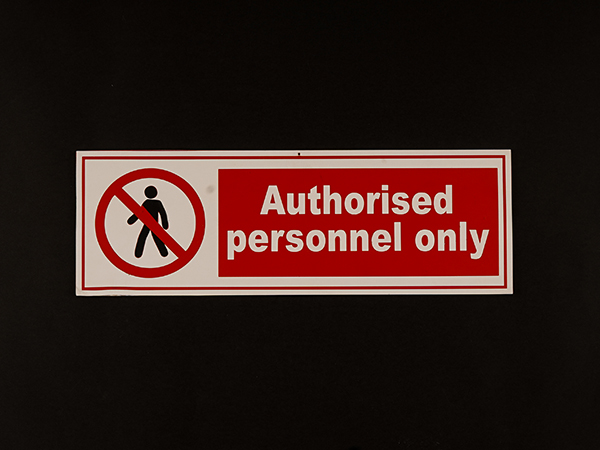 | Plastic Labels Vinyl Decals & Sticker is a kind of plastic that originates from characteristic substances, for example, salt and is viewed as an earth-accommodating... View product → |
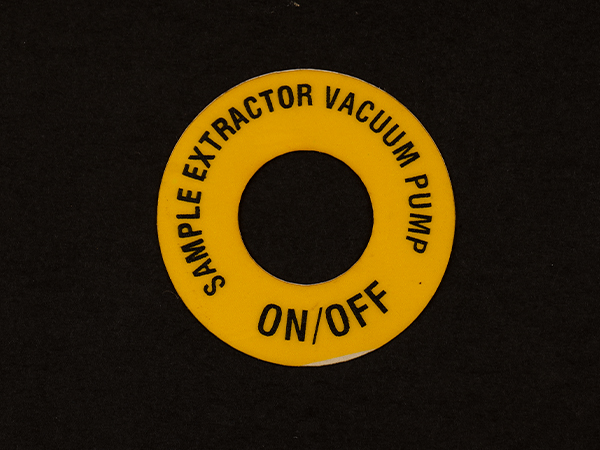 | Plastic Labels PVC & Polycarbonate Stickers are often used in various industries. View product → |
Frequently asked questions
What changes when a hotel uses in-mold decoration instead of a decal?
In-mold decoration places printed film within a moulded plastic component, while a vinyl decal is printed, cut and applied to an existing surface. IMD changes the work into part design, tooling and moulding; decals focus on artwork, surface preparation and installation.
Which hotel surfaces suit IMD, and which suit vinyl decals?
Use IMD for repeatable plastic components such as room-control panels, appliance parts and durable branded fixtures. Use vinyl decals for flat walls, windows, doors, vehicles and surfaces where branding needs frequent replacement.
How do setup, installation and future changes affect the decision?
IMD requires compatible part design, mould tooling and production planning, so it suits standardised, larger-volume components. Vinyl decals need less setup and install quickly, but each artwork change requires new printing and removal or replacement work.
Which option survives hotel cleaning, contact and outdoor exposure?
Specify the cleaning chemicals, abrasion, handling and sunlight exposure before choosing. IMD protects the graphic inside or beneath the plastic surface, while vinyl performance depends on the film, adhesive, laminate, substrate preparation and installation quality.
How should you qualify a hotel branding supplier before approving the order?
Request production samples, substrate and adhesive details, colour tolerances, outdoor-use limits, cleaning-test results and installation instructions. Confirm that the supplier can control artwork versions, quantities, replacement orders and batch consistency.