

The key specification decision is whether aluminium is the molded product, an insert overmolded into plastic, or a separate plate applied after molding. By separating these processes, you can match the metal grade, graphic construction, mold design, bonding method, and testing plan to the actual production conditions.
Key takeaways
- Define the molding process before selecting an aluminium nameplate.
- Design inserts for injection pressure, heat, resin flow, and edge sealing.
- Match the aluminium, graphic layer, adhesive, and plastic resin.
- Approve samples using Pune-specific production, inspection, and traceability requirements.
Define the Decoration Process Before Choosing an Aluminium Nameplate
In-mold decoration means placing a printed thermoplastic film, graphic layer, or label inside a mold before plastic is injected behind it. The resin bonds to or encapsulates the graphic, making the decoration part of the molded surface rather than applying a finished plate afterward.
An aluminium nameplate can fit in three different positions:
| Option | What it means | When it applies |
|---|---|---|
| Film-based IMD | A printed film sits in the cavity and receives injected plastic behind it | High-volume plastic parts needing an integrated, protected graphic |
| Aluminium insert | A rigid aluminium plate is positioned in the mold and plastic forms around or behind it | The plate must provide a durable tactile, metallic, electrical, or regulatory marking |
| Post-mold label | The finished aluminium plate is bonded after molding | Artwork changes, replacement access, or late-stage identification matters |
The distinction determines how aluminium nameplates for support in mold decoration applications in Pune are specified. A rigid plate is not an ordinary label: mold pressure, resin flow, heat, clamping force, and cooling can move, bend, or lift it and trap air beneath its edges.
The phrase in mold decoration for aluminium products needs careful checking. A die-cast or machined aluminium product is not normally an IMD substrate; use anodized graphics, laser marking, printing, transfer decoration, or a bonded plate after forming.
Before selection, give the supplier the plastic grade, melt and mold temperatures, injection conditions, insert thickness and tolerance, cavity location, cleaning chemicals, and marking requirements.
Design the Aluminium Insert for Pressure, Heat, and Resin Flow
An insert that relies on adhesive alone can shift under injection pressure, leaving edge flash, a witness line, or uneven resin coverage. Design the mold to retain the aluminium mechanically and support it across its full back face.
- Add a perimeter recess, cavity stop, locating pin, or molded-in undercut outside the visible graphic.
- Keep the insert flat and specify thickness, flatness, and edge tolerances so it cannot rock in the pocket.
- Support thin areas continuously; an unsupported span can bow when resin pressure pushes against the plate.
- Place the gate so the melt does not strike a free edge directly, and balance the flow around the insert.
- Put vents at the last-fill edges and provide an escape path for air; trapped air can create burns, voids, or incomplete resin contact.
- Seal or radius vulnerable edges where the insert meets the cavity, because resin can lift a sharp edge and form flash beneath it.
The mold must hold the plate against pressure while allowing for heat transfer and cooling contraction. Aluminium will not melt at ordinary thermoplastic molding temperatures, but its temper, coating, ink, primer, and adhesive still face the actual melt temperature, mold temperature, shear, and cycle time. Qualify the complete assembly in the intended resin.
For aluminium nameplates in mold decoration in Pune, test wetting, condensation, dust, and cleaning exposure at the exposed perimeter. A protected graphic and a mechanically locked edge reduce lifting after repeated handling.
Match the Aluminium Construction to the Plastic, Graphic, and Bond
Choose the plastic first: 3003-H14 aluminium suits most overmolded nameplates because it balances stiffness, formability, and corrosion resistance. Use 5052-H32 when the part faces outdoor moisture or needs greater strength.
Keep rigid inserts around 0.5–0.8 mm thick; thinner stock can wrinkle or bow under injection pressure, while thicker stock creates a deeper step and harder mold shutoff.
| Construction | Aluminium and thickness | Finish and graphic | Bond and retention |
|---|---|---|---|
| Rigid overmold insert | 3003-H14, 0.5–0.8 mm; 5052-H32 for harsher exposure | Brushed or satin anodized surface; reverse-print on film where possible | Mold recess, cavity stop, or edge interlock; adhesive is secondary |
| Thin conformable insert | 1050-H14, 0.2–0.4 mm for low-pressure applications | Screen print or transfer graphic with clear protective coat | Compatible acrylic adhesive plus mechanical location |
| Post-mold label | 3003 or 5052, 0.3–0.8 mm | Anodized, painted, or hard-coated face; exposed print needs abrasion protection | High-bond acrylic adhesive selected for plastic surface energy |
Reverse-print the graphic on a film so resin cannot abrade the ink. Direct printing on aluminium needs a cured clear coat, sealed anodic layer, or hardcoat; otherwise heat and resin shear can cause bleeding, blistering, or contrast loss.
For custom aluminium labels in pune, specify coating thickness, colour tolerance, sealing condition, abrasion test, and adhesive temperature range. Check thermal movement too: aluminium expands at about 23 × 10⁻⁶/K, while ABS and polycarbonate commonly reach 60–100 × 10⁻⁶/K, which can lift edges during heat cycling.
Compare Film-Based IMD, Aluminium Inserts, and Post-Mold Labels
Choose film-based IMD for high-volume plastic parts, an overmolded aluminium plate for a rigid identification insert, and a post-mold label when flexibility or replacement matters.
| Option | What it means | When it applies |
|---|---|---|
| Film-based IMD | A printed thermoplastic film or foil sits in the cavity and resin is injected behind it. | Use for repeated plastic parts needing a protected graphic, no separate application step, and stable artwork. Reject it when frequent design changes or registration scrap would be costly. |
| Overmolded aluminium plate | A rigid, prepared plate is located in the mold and plastic flows around or behind it. | Use when the marking needs aluminium’s stiffness, abrasion resistance, or regulatory information. Confirm the insert will not bend, shift, trap air, or lift during filling and cooling. |
| Post-mold label | A finished aluminium nameplate is bonded, riveted, or screwed on after molding. | Use for low or medium volumes, late customization, field replacement, or an exposed plate that the molding cycle cannot accept. |
For in mold decoration for aluminium products, identify the substrate before choosing a process. An aluminium die-cast or machined product is not normally an IMD part; use anodized graphics, laser marking, printing, or a bonded plate after forming. Do not place an aluminium insert into a hot aluminium casting without separate tooling and thermal analysis.
Aluminium nameplate applications in Pune need a service classification: indoor, sheltered outdoor, or fully exposed. Monsoon wetting, condensation, dust, and industrial contaminants can attack cut edges and fastener holes, so specify edge sealing and corrosion testing.
If the plate carries safety or rating information, confirm the complete construction against UL 969 and the end-product certification scheme.
Build a Pune-Specific Specification and Approval Plan
Give the supplier and molder one controlled brief, not a sample part and a vague request for “an aluminium label.” For aluminium nameplate applications in Pune, state whether the construction is a rigid insert, aluminium-faced film, or post-mold label, then identify the polymer grade, melt and mold temperatures, injection pressure or velocity, cavity location, insert thickness and tolerance, and the drawing datum used for placement.
Request these approval inputs:
- Service class: indoor, sheltered outdoor, or fully exposed; include monsoon wetting, condensation, dust, industrial contaminants, UV exposure, and expected service life.
- Surface construction: aluminium alloy and temper, coating type, colour tolerance, sealing condition, edge treatment, hole or slot geometry, and compatible fasteners.
- Cleaning exposure: name each detergent, solvent, disinfectant, concentration, temperature, and contact time.
- Marking duty: state whether the plate carries ratings, warnings, serial numbers, electrical information, or certification marks; confirm whether UL 969 coverage applies to the complete substrate, ink, adhesive, overlaminate, and molding process.
- Qualification evidence: specify adhesion, abrasion, chemical resistance, humidity or cyclic-corrosion, thermal-cycle, and UV tests. Use ASTM B117 only as a controlled salt-fog method, not a Pune lifetime prediction.
For custom aluminium labels in Pune, approve first-off molded parts after dimensional inspection, graphic-legibility checks, edge and hole examination, and pull or peel testing. Shreeniwas Signs Pvt Ltd can be asked to quote against this same brief, preventing finish comparisons from hiding process differences.
Related products
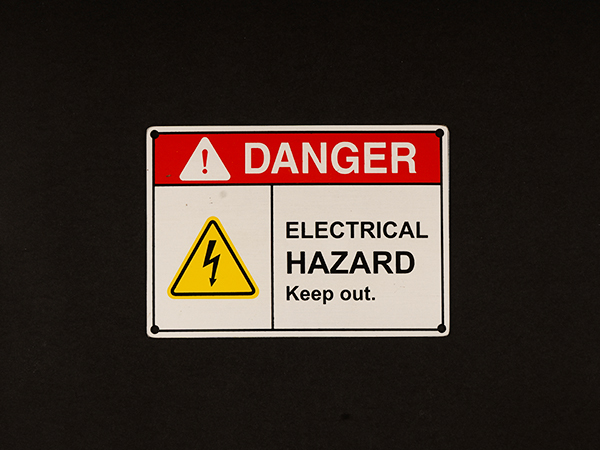 | Metal Labels Aluminum Nameplates are popularly known for their light weight and capacity to oppose corrosion.Its recognizable gleaming white shine offers... View product → |
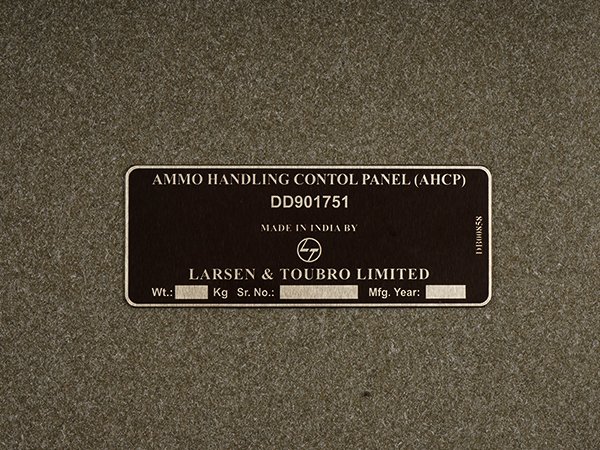 | Metal Labels Metalphoto Metalphoto is a specific kind of photosensitive anodized aluminum that is used to make durable, high-resolution nameplates, labels and control... |
Frequently asked questions
What should you define before choosing an aluminium nameplate for in-mold decoration?
Define whether the process uses film-based in-mold decoration, an aluminium insert, or a post-mold label. Confirm the mold position, injection method, resin, temperature, pressure, graphic layer, and required surface finish.
How should an aluminium insert be designed for molding?
Specify the insert thickness, outer dimensions, corner radii, relief features, venting needs, edge clearance, and locating method. Check each feature against injection pressure, mold heat, resin flow, and the risk of shifting or lifting.
How do you match aluminium construction to the plastic, graphic, and bond?
Match the aluminium surface treatment, primer or adhesive, graphic layer, and protective coating to the plastic resin and molding temperature. Test adhesion, chemical resistance, abrasion, dimensional stability, and edge sealing on molded samples.
When should you choose film-based IMD, an aluminium insert, or a post-mold label?
Choose film-based IMD for integrated graphics across a molded surface, an aluminium insert for a rigid metallic identity plate, and a post-mold label when late-stage application, replacement, or simpler tooling matters more than integration.
What belongs in a Pune-specific aluminium nameplate approval plan?
Document the mold location, drawing revision, material and finish, graphic artwork, resin, process window, inspection dimensions, adhesion tests, sample quantity, traceability fields, and sign-off responsibilities with your Pune supplier and molding plant.