
A commercial equipment nameplate is built through a sequence of material, artwork, marking, finishing and quality decisions; a mistake in any one stage can produce unreadable data, poor adhesion or a plate that does not fit the enclosure. By the end, you will know how to specify the plate, approve the artwork, compare aluminium and stainless-steel options, and ask a manufacturer to validate performance in Pune conditions.
Key takeaways
- Approve drawing, variable data and inspection criteria before metal processing.
- Match alloy, thickness and finish to heat, moisture, chemicals and handling.
- Test artwork at the viewing distance and verify machine-readable codes before production.
- Prove mounting holes, adhesive areas and clearances on the actual equipment.
From approved drawing to packed nameplate: the manufacturing sequence
The production route for how aluminium nameplates are made for commercial equipment in Pune follows a controlled sequence: approve the drawing and data before any metal is processed.
1. Confirm the drawing: record alloy, thickness, plate size, corner radius, hole positions, tolerances, text height, line weight, barcode type, quiet zone, serial-number format and adhesive-liner dimensions. Generate variable data from the approved master list.
2. Select aluminium sheet or coil, then cut the blank by guillotine, punching or laser cutting. Drill mounting holes, form bends if specified, and deburr every edge so the plate does not cut installers or lift at a corner.
3. Clean the blank to remove oil and swarf, then apply the specified anodizing, chemical conversion coating or other surface treatment. Surface preparation must happen before printing and before adhesive application.
4. Print the logo, ratings and instructions by screen, digital or process printing, or engrave the information when permanent marking is required. Check registration, character height, contrast and barcode scanability; a visible code can still fail if its modules or quiet zone are wrong.
5. Apply the protective clear coat, laminate or sealed anodic finish, then cure it to the specified time and temperature. Do not solvent-clean after adhesive application.
6. Apply the identified adhesive and liner only after the face is clean and fully cured. Inspect dimensions, holes, colour, gloss, legibility, bond coverage and variable data against the purchase order.
7. Pack plates with separators and edge protection, label the carton with batch traceability, and retain the approved artwork, first-article result and inspection record. This is the practical core of aluminium nameplates manufacturing in Pune.
Choosing alloy, thickness and finish for Pune service conditions
5052-H32 is the practical starting point for most commercial equipment nameplates in Pune: it forms well and resists moderate corrosion. Choose 6061-T6 for rigid, thicker machined or engraved plates. Specify the alloy, temper and thickness; “aluminium label” is not enough.
Use 0.5–0.8 mm for bonded indoor plates and 1.0–1.5 mm where rigidity, drilled holes or repeated handling matters.
| Condition | Alloy and thickness | Finish to choose |
|---|---|---|
| Indoor, clean | 5052-H32, 0.5–0.8 mm | Printed or anodized; select for appearance and readability |
| Outdoor sunlight and rain | 5052-H32, 0.8–1.2 mm | Anodized or Metalphoto, with sealed edges and UV-qualified marking |
| Oily equipment | 5052-H32, 0.8–1.0 mm | Sealed anodized or Metalphoto; verify resistance to the actual oil and degreaser |
| Humid or washdown areas | 5052-H32, 0.8–1.2 mm | Sealed anodized or Metalphoto; protect edges and avoid water-trapping recesses |
| Chemical exposure | 5052-H32, 1.0–1.5 mm | Engraved or chemically resistant anodized plate; test against the named chemical |
| High temperature | 6061-T6, 1.0–1.5 mm | Engraved or anodized aluminium; avoid adhesive and organic overlaminates |
Chemical cleaners, cutting fluids and alkaline washes can defeat a finish that passes salt-spray testing. Qualify the actual exposure, including peak temperature, cleaning method, abrasion and UV; adhesive and protective-film limits can govern the assembly before the aluminium does.
For outdoor plates, request a stated ISO 9227 method, exposure duration and failure criterion rather than relying on a “500-hour” claim.
Preparing artwork that stays readable and machine-verifiable
Set the drawing up as a production file, not a picture of the finished plate. For custom aluminium labels in Pune, specify finished length and width, alloy, thickness, readable character height, minimum line weight, colour references, and the position of every feature from a defined datum.
Include these details in the artwork package:
- Use vector artwork for logos and symbols; identify fonts or convert lettering to outlines.
- State each rating exactly, including units, voltage, current, frequency, warnings and certification marks.
- Define the serial-number format, permitted characters, sequence range and controlled source for variable data.
- Name the barcode symbology, such as Code 128, Data Matrix or QR Code, and specify its data content.
- Give the barcode X-dimension, quiet zone, contrast requirement and maximum surface gloss; a visually clean code can still fail scanning.
- Dimension hole diameter, hole-to-edge distance, centre positions, corner radius and cut size from the same datum.
- State cut-size, hole-position, print-registration and adhesive-liner tolerances.
Generate serial numbers, model numbers and QR payloads from a master list, then proof every character against the purchase order. Transposed digits are a production-control failure.
Tie tolerances to the enclosure’s mounting function. Tight limits across every feature add cost and can distort thin aluminium during punching, laser cutting or forming. Request retained artwork, a first-article sample, colour or gloss reference and a legibility check before releasing production.
Selecting the fixing method and proving the plate fits
Choose the fixing method from the enclosure’s temperature, vibration, cleaning routine and replacement needs—not from plate size alone. Adhesive gives a clean, sealed face but fails when oil, powder coating or heat defeats the bond. Rivets and screws tolerate vibration and service handling, while standoffs suit plates that must clear a hot or uneven surface.
| Option | Choose it when | Check before release |
|---|---|---|
| Adhesive | The surface is smooth, clean and below the adhesive’s rated temperature | Bond area, edge lift, solvent compatibility and liner dimensions |
| Rivets | Permanent fixing and high vibration resistance matter | Rivet-head clearance, hole diameter and access behind the panel |
| Screws | You need removal for servicing or replacement | Thread engagement, screw-head clearance and sealing washers |
| Standoffs | The plate must sit away from heat, cables or a curved enclosure | Spacer height, fastener length and clearance around terminals |
Prove the design on the actual enclosure, not only on a drawing. Place a first article over the mounting area with doors, hinges, handles and cable glands installed, then check readability from the operator’s position.
Record these checks before production:
- Confirm cut size, corner radius and hole position against the enclosure, allowing only the tolerances the mounting function needs.
- Check that adhesive does not cover vents, seams, grounding points or service labels.
- Open doors and remove covers to confirm the plate does not foul moving parts.
- Scan every barcode or QR code after fixing; gloss, contrast and a cramped quiet zone can defeat a visually acceptable mark.
- Ask Shreeniwas Signs Pvt Ltd to retain the approved fit sample and inspection record with the batch.
This discipline matters when sourcing custom aluminium labels in Pune or commercial equipment nameplates in Pune, where a small hole-position error can force rework on a finished cabinet.
Related products
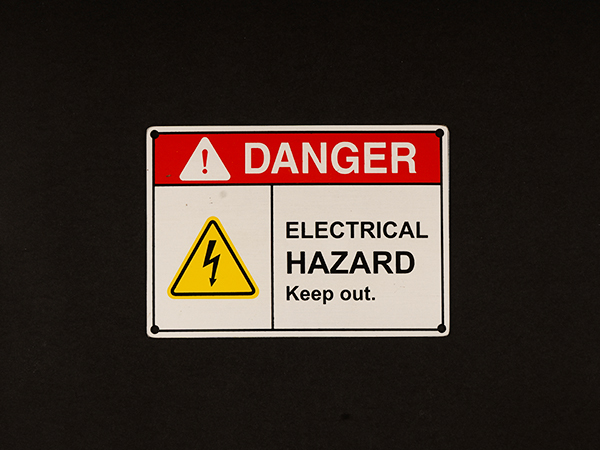 | Metal Labels Aluminum Nameplates are popularly known for their light weight and capacity to oppose corrosion.Its recognizable gleaming white shine offers... View product → |
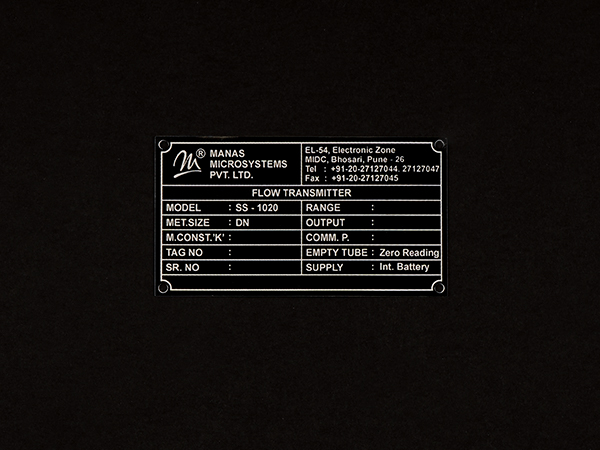 | Metal Labels Machine Specification Nameplate A Machine Specification Nameplate distinguishes and shows an item's name on gadget. View product → |
Comparing suppliers through inspection, validation and packing controls
Do not release a batch on the supplier’s claim of “industrial grade.” Request records that connect the approved drawing to the material, marking, inspection result and final carton; this is the practical test of aluminium nameplates manufacturing in pune.
1. Ask for the approved artwork revision and retained first-article sample. Check plate dimensions, hole centres, character height, line weight, barcode quiet zone, colour and gloss against the purchase order.
2. Request the material certificate or supplier declaration showing aluminium alloy, temper and thickness. “Aluminium label” is incomplete: 5052 and 6061 behave differently, and an unverified thickness can cause bending or poor fit.
3. Obtain the adhesive product name, lot number and application date. Confirm that cleaning happened before adhesive application and that protective coatings cured before packing; reversing either step can weaken the bond or contaminate the face.
4. Require a variable-data proof. Compare model numbers, ratings, serial numbers and QR payloads with the controlled master list, then inspect marked samples for transposed characters and failed scans.
5. Ask for inspection results covering dimensions, print or engraving legibility, barcode readability, colour or gloss, coating defects and edge burrs. For outdoor or washdown equipment, request evidence from abrasion, detergent, oil, moisture and ultraviolet checks—not salt spray alone.
6. Require batch traceability: material lot, artwork revision, machine or operator record, inspection date and carton identification. Reject cartons that cannot be tied to the accepted sample.
7. Inspect packing photographs or a trial carton for separators, face protection, dry storage and quantity count. Packing damage can erase the controls that show how aluminium nameplates are made for commercial equipment in pune.
Frequently asked questions
What is the manufacturing sequence for aluminium nameplates?
The sequence runs from approved drawing and artwork through material preparation, printing or marking, finishing, inspection, fixing checks and protective packing.
How do you choose aluminium nameplate material for Pune equipment?
Choose alloy, thickness and surface finish against the equipment’s heat, moisture, chemicals, cleaning process, abrasion and outdoor exposure.
What should artwork include for readable and machine-verifiable nameplates?
Include final text, logos, symbols, serial numbers, barcodes or QR codes, dimensions, colour references and viewing requirements, then verify readability before production.
How can you confirm that a nameplate will fit and stay attached?
Check the approved dimensions against the equipment, test hole positions or adhesive areas, confirm surface preparation and validate the selected fixing method.